* All product/brand names, logos, and trademarks are property of their respective owners.
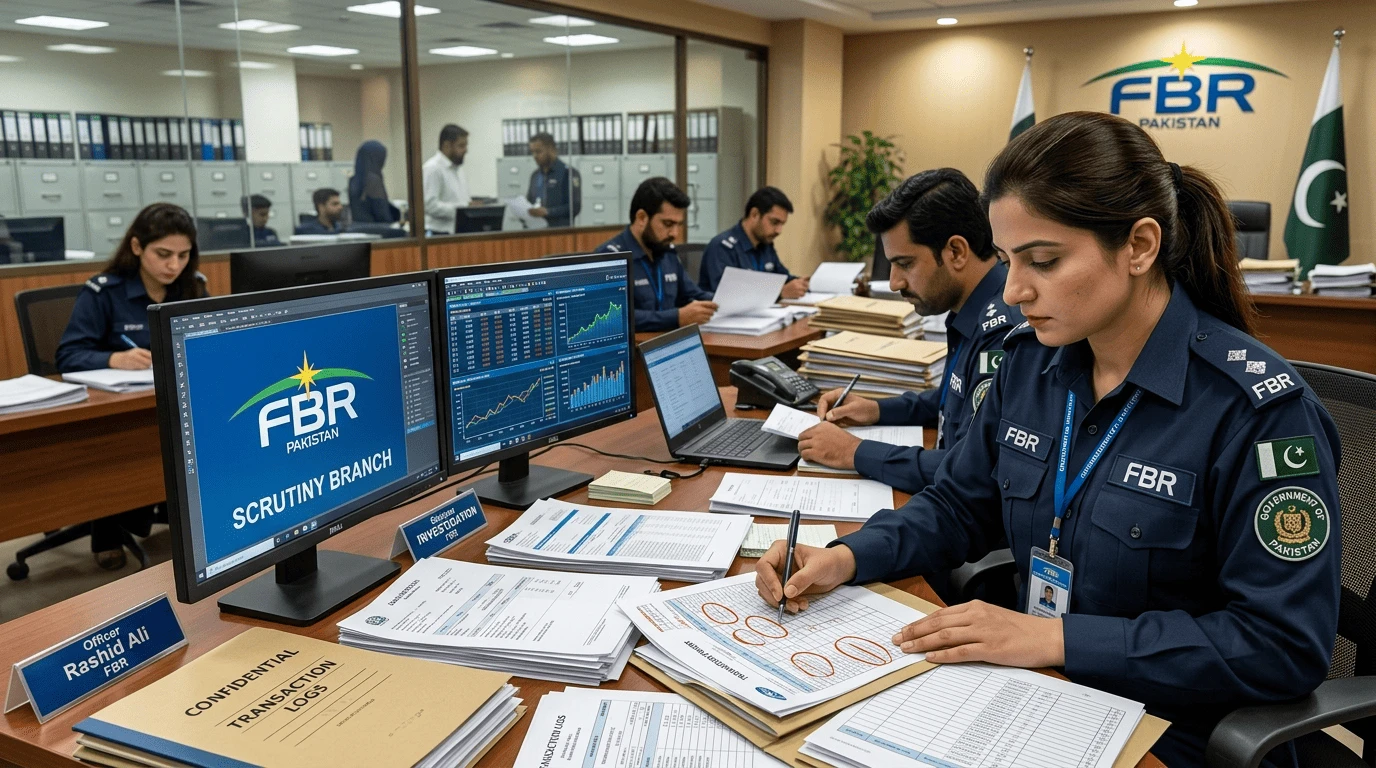
Pakistan’s tax authorities are moving toward tighter digital monitoring of high-value banking activity, with banks and electronic money institutions required to report major transactions to the Federal Board of Revenue under the Finance Act 2026.
The new requirement applies to account holders whose total deposits or withdrawals cross Rs. 100 million, equal to Rs. 10 crore, during a six-month reporting period. The measure is aimed at helping the FBR compare large financial activity with declared income and tax filings.
Under the framework, banks will electronically share information through a central data mechanism. The reported data may include account balances, total deposits, withdrawals, peak credits and other transaction details linked to qualifying account holders.
The rule does not mean every bank customer will automatically come under scrutiny. It mainly targets individuals, businesses and entities whose banking activity reaches the Rs. 10 crore threshold within the reporting period.
Banks and electronic money institutions are expected to provide information related to:
The FBR will use this information to identify possible gaps between banking activity and declared taxable income.
The system is designed around electronic reporting and data matching. It does not mean tax officers will freely access all bank accounts without process. Instead, qualifying transaction data will be shared through the prescribed reporting mechanism and used for tax-risk analysis.
If a person’s declared income does not match large deposits or withdrawals, the FBR may seek explanation, supporting documents or tax compliance details.
The rule is especially important for:
Tax experts advise citizens to keep proper records of income sources, business receipts, property transactions, loan documents and tax returns.
Anyone expecting large banking activity should ensure their income records, wealth statement and tax filings are updated. Businesses should also maintain invoices, contracts and transaction trails to explain major deposits or withdrawals if questioned.
The move is part of Pakistan’s broader push to expand the tax net, reduce undocumented transactions and strengthen digital enforcement.
For ordinary account holders with routine salary, savings or household transactions below the threshold, the rule is unlikely to create direct concern. However, people handling large funds should avoid undocumented banking activity and keep clear proof of income sources.
Read More
PTBA Concerns Over FBR Digital Tax System Pakistan
National Assembly Passes Finance Bill 2026
NA Approves Budget 2026-27 With Revised Duties

Hi, I’m Ahmed, a professional content writer and SEO specialist. I help businesses, brands, and websites create clear, engaging, and search-friendly content that attracts the right audience and drives results.
With a strong understanding of SEO, keyword research, blog writing, website content, and content strategy, I craft content that is not only well-written but also optimized to perform on search engines. My goal is to turn ideas into powerful words that build trust, improve visibility, and support business growth.
Whether you need blog posts, website copy, product descriptions, SEO articles, or content optimization, I can help create content that connects with readers and supports your online goals.
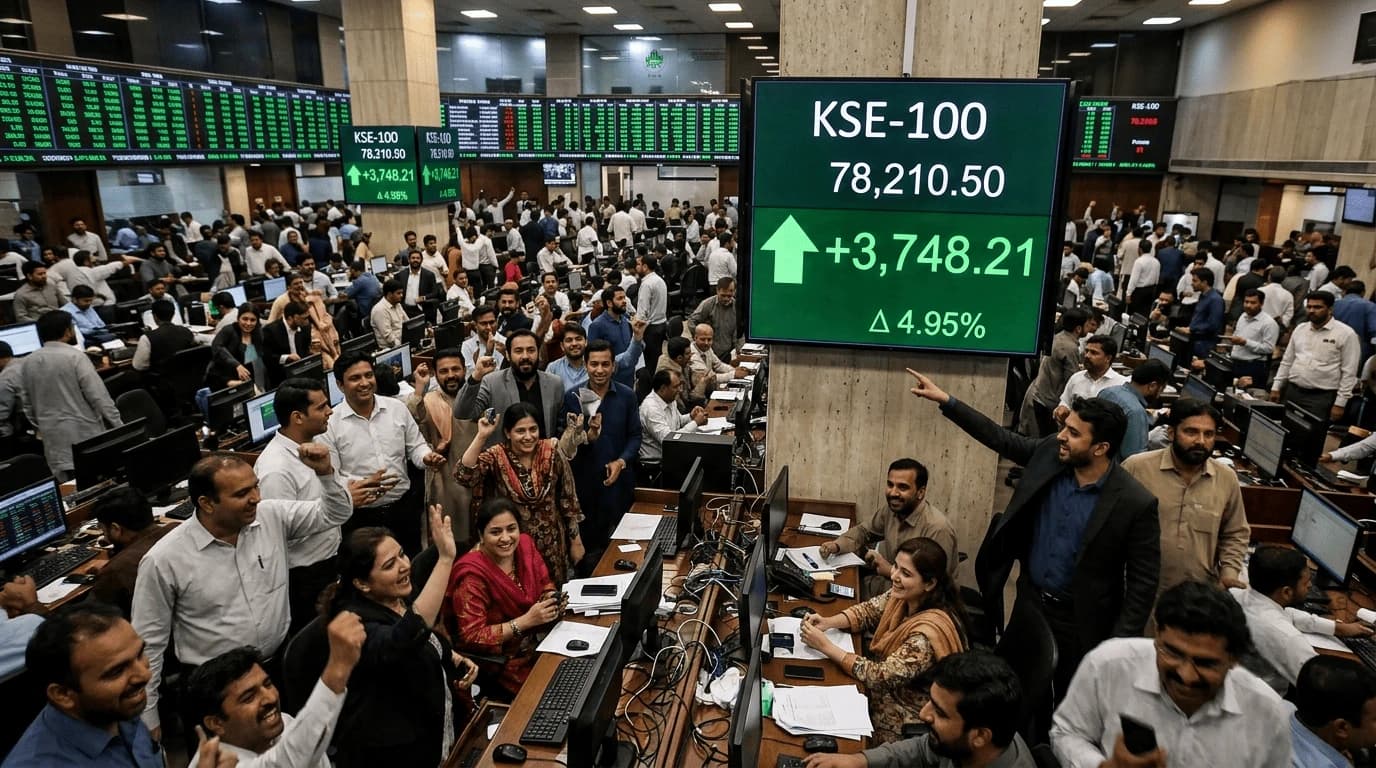
The Pakistan Stock Exchange started the week on a strong bullish note as the benchmark KSE-100 Index
7 July 2026
The Pakistan Stock Exchange continued its strong upward run as the benchmark KSE-100 Index jumped 3,
2 July 2026
From July 1, 2026, FBR’s digital tax checks are expected to become a bigger part of Pakistan&r
30 June 2026
Be the first to share your thoughts
No comments yet. Be the first to comment!
Share your thoughts and join the discussion below.