* All product/brand names, logos, and trademarks are property of their respective owners.
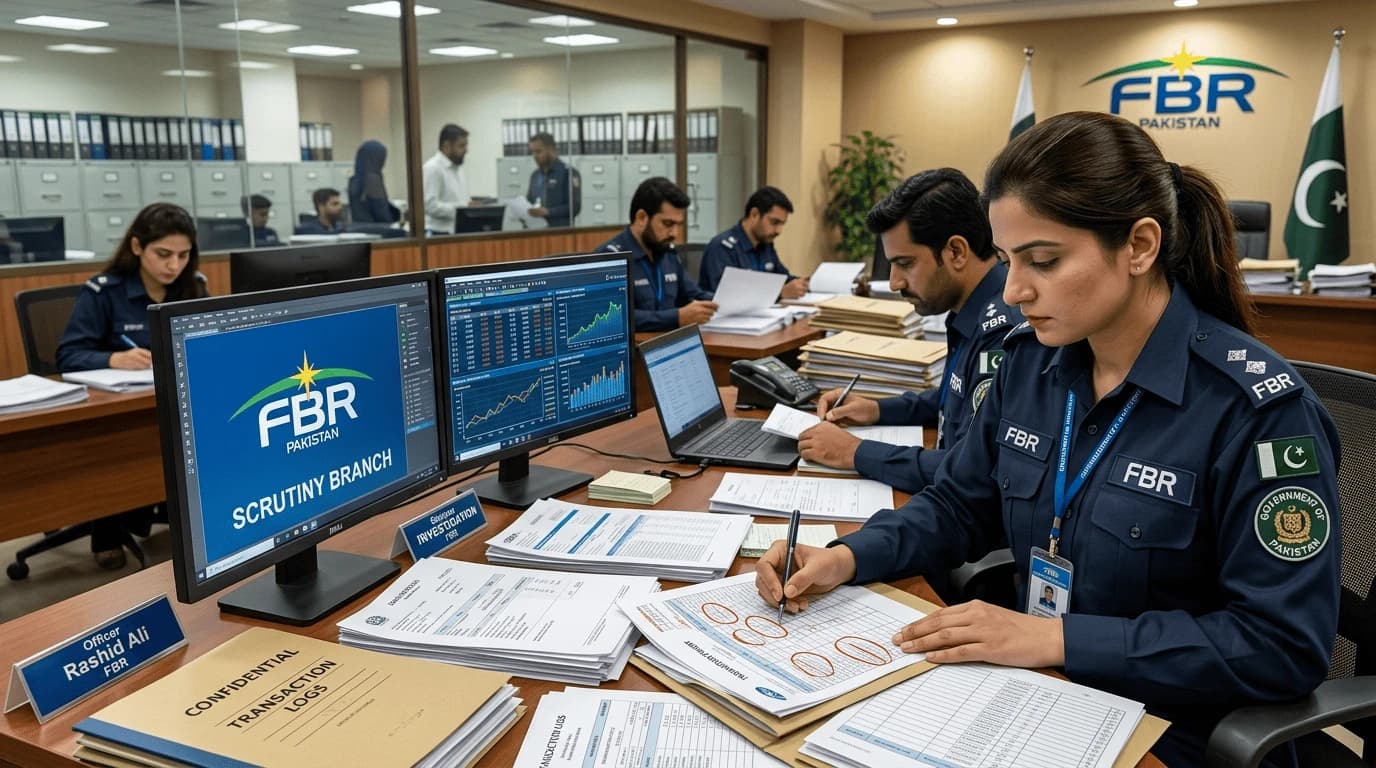
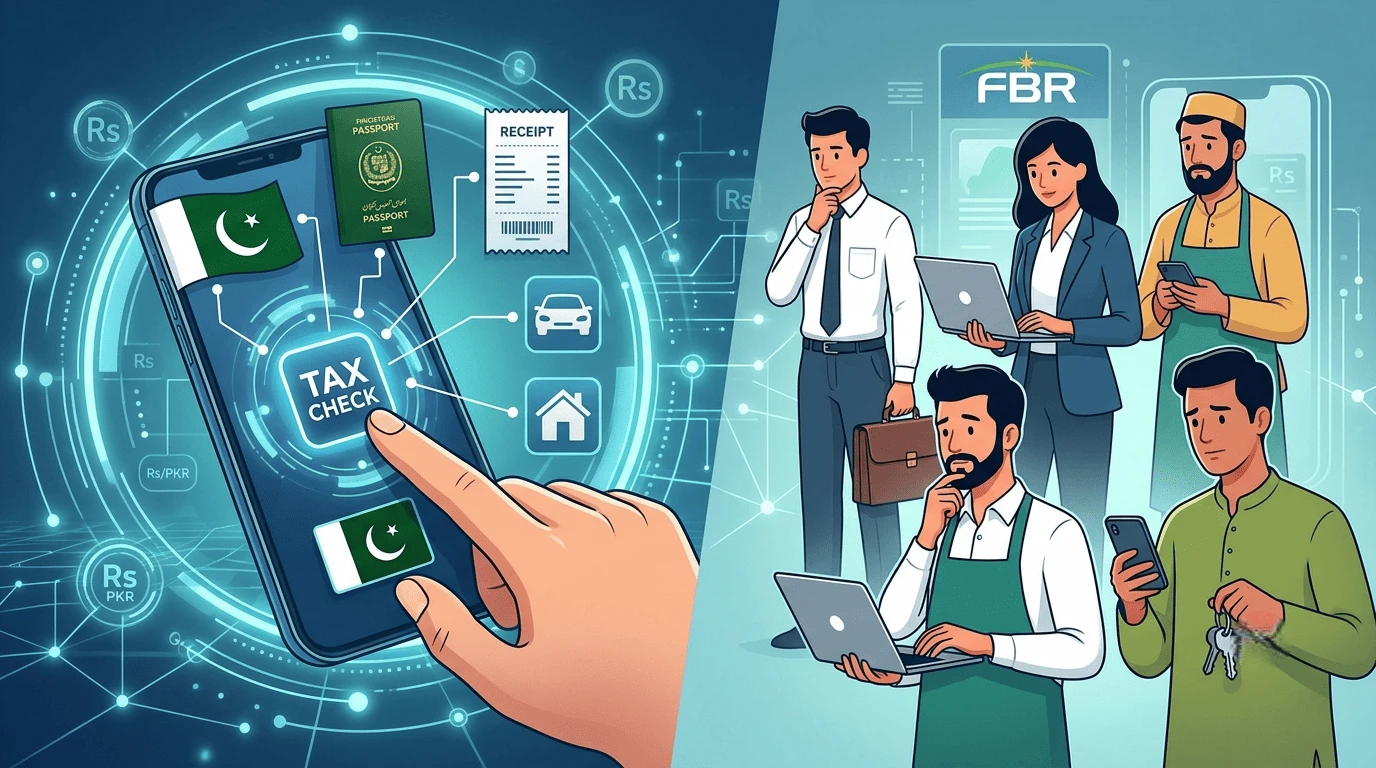
From July 1, 2026, FBR’s digital tax checks are expected to become a bigger part of Pakistan’s tax enforcement system, especially for identifying people whose lifestyle, assets, business activity, or transactions do not match their declared income.
For many Pakistanis, the main concern is simple: will this affect ordinary citizens, or only non-filers and high-value taxpayers? The short answer is that active filers are less likely to face problems, while non-filers, late filers, business owners, and people with visible high-value financial activity may come under closer review.
FBR already maintains the Active Taxpayer List (ATL), which records income tax return filers and can be checked through FBR’s official online tools or by sending ATL CNIC to 9966.
This article explains what the FBR digital tax check means, who can be affected in Pakistan, and what taxpayers should do before problems arise.
The FBR digital tax check means the tax authority can use digital records to compare a person’s tax status with their financial activity. In simple words, FBR wants to see whether someone’s declared income matches their visible spending, assets, business dealings, or lifestyle.
This does not mean every person will automatically face action from July 1. The main focus is likely to be on cases where there is a clear mismatch, such as:
FBR already uses the Active Taxpayer List (ATL) to identify income tax return filers. According to FBR, the ATL is a central record of online income tax return filers and is updated every Monday.
So, the digital tax check is not a separate “new tax” for everyone. It is better understood as a stronger digital verification system to help FBR detect non-compliance.
From July 1, 2026, the main change is that FBR’s tax enforcement is expected to rely more heavily on digital records, electronic monitoring, and taxpayer-status checks. This means FBR can compare official tax filings with other visible financial indicators more quickly than before.
For ordinary taxpayers, the biggest point is not that everyone will face a new tax. The bigger issue is verification. If a person is not on the Active Taxpayer List, has not filed returns on time, or has business activity that does not match declared income, they may face closer review.
FBR’s own ATL system already works as the official record for active taxpayers, and the list is updated every Monday on the FBR website.
Some July 1 measures also relate to stricter monitoring for businesses that are required to install electronic tax monitoring systems. Reports say penalties may apply where required systems are not installed or are tampered with.
So, the July 1 change should be understood as part of a wider push toward digital tax compliance, not simply a new tax on every citizen.
Although the digital tax checks are aimed at improving compliance, not everyone faces the same level of impact. The likelihood of being affected depends on your tax filing status, the nature of your income, and whether your financial records match the information submitted to FBR.
| Category | Likely Impact | Reason |
|---|---|---|
| Active Filers | Low | Regularly file income tax returns and are listed on the Active Taxpayer List (ATL). |
| Non-Filers | High | May face increased scrutiny, higher withholding taxes, and other restrictions under tax laws. |
| Late Filers | Moderate | Can reduce future issues by filing outstanding returns and becoming active taxpayers. |
| Business Owners | High | Businesses may be subject to additional digital monitoring and verification of sales and tax records. |
| Freelancers & Online Sellers | Moderate | Those with taxable income should ensure they are registered and filing returns where required. |
| High-Value Asset Holders | Moderate to High | If assets or spending appear inconsistent with declared income, FBR may seek further verification. |
Active Filers
Non-Filers
Late Filers
Business Owners
Freelancers and Online Sellers
The FBR digital tax check is primarily designed to identify non-compliance, not to inconvenience compliant taxpayers. If your tax returns, declared income, and financial records are consistent, the chances of being affected are generally much lower.
If you're unsure whether you're listed as an active taxpayer, FBR provides two official ways to verify your status.
The easiest method is to use the Active Taxpayer List (ATL) search on the FBR website.
Steps:
The ATL is updated every Monday, according to FBR.
You can also check your status by sending an SMS:
You'll receive a reply indicating whether you're included in the Active Taxpayer List.
If your name does not appear:
Knowing your filer status can help you:
Always use official FBR channels to verify your status and avoid relying on unofficial websites or social media claims.
With FBR increasing its focus on digital verification, the best approach is to ensure your tax records are complete and accurate. Taking a few simple steps now can help you avoid unnecessary issues later.
| Action | Recommended? |
|---|---|
| Check ATL status | Yes |
| File pending tax returns | Yes |
| Update taxpayer information | Yes |
| Keep financial records | Yes |
| Follow official FBR updates | Yes |
| Ignore unverified social media rumors | Yes |
Staying compliant is usually much easier than resolving tax issues after they arise. For most people, regularly filing returns, maintaining accurate records, and checking their ATL status are the most effective ways to prepare for increased digital tax checks.
No. FBR has not announced that every bank transaction of every citizen will be individually reviewed. Digital tax checks are intended to help identify cases where financial activity appears inconsistent with declared income or where taxpayers are not complying with tax laws. Most compliant taxpayers carrying out routine banking activities should not assume that every transaction is being scrutinized.
Yes, but the impact depends on your tax compliance. If you're a salaried employee whose employer deducts taxes and you file your annual income tax return, you're generally less likely to face issues. However, salaried individuals who have additional undeclared income or fail to file required returns may still come under FBR's review.
Yes. A non-filer can become a filer by:
Becoming a filer can help reduce higher withholding taxes and improve compliance with Pakistan's tax laws.
To avoid misinformation, always rely on official government sources:
These platforms provide the latest information on tax policies, filing deadlines, ATL updates, and other compliance requirements.
The FBR digital tax check from July 1 is part of Pakistan's broader effort to improve tax compliance through digital verification and data-driven monitoring. While the changes have generated concern, they are primarily aimed at identifying tax non-compliance rather than creating difficulties for people who regularly meet their tax obligations.
For active filers, the best course of action is to continue filing returns on time and keep financial records accurate. Non-filers, late filers, business owners, freelancers, and individuals with significant financial activity should review their tax status and ensure their information is up to date.
If you're unsure whether you're affected, take a few minutes to check your Active Taxpayer List (ATL) status through the official FBR website or SMS service. Staying informed and compliant is the simplest way to avoid unnecessary complications as FBR expands its use of digital tax checks.
Read More
National Assembly Passes Finance Bill 2026
NA Approves Budget 2026-27 With Revised Duties

Hi, I’m Ahmed, a professional content writer and SEO specialist. I help businesses, brands, and websites create clear, engaging, and search-friendly content that attracts the right audience and drives results.
With a strong understanding of SEO, keyword research, blog writing, website content, and content strategy, I craft content that is not only well-written but also optimized to perform on search engines. My goal is to turn ideas into powerful words that build trust, improve visibility, and support business growth.
Whether you need blog posts, website copy, product descriptions, SEO articles, or content optimization, I can help create content that connects with readers and supports your online goals.
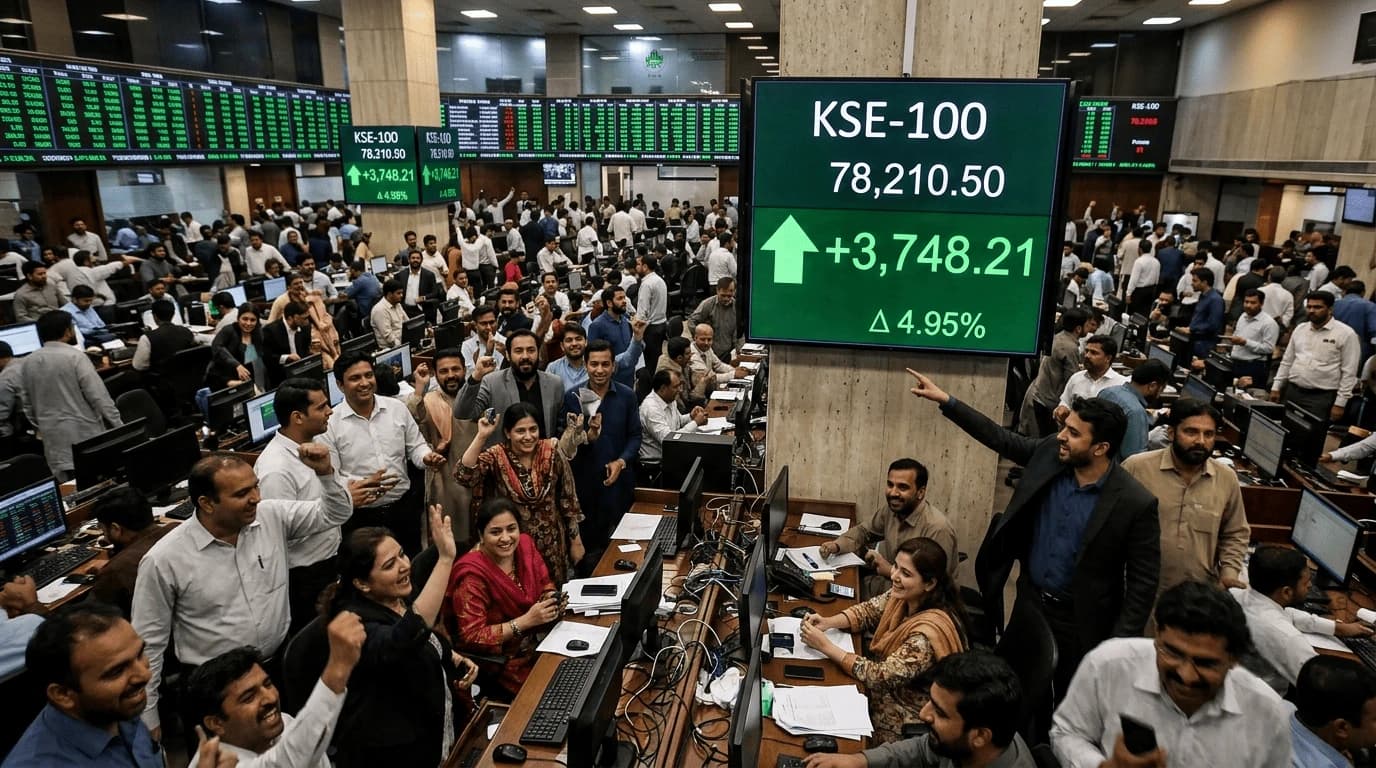
The Pakistan Stock Exchange started the week on a strong bullish note as the benchmark KSE-100 Index
7 July 2026
The Pakistan Stock Exchange continued its strong upward run as the benchmark KSE-100 Index jumped 3,
2 July 2026
Pakistan’s tax authorities are moving toward tighter digital monitoring of high-value banking
30 June 2026
Be the first to share your thoughts
No comments yet. Be the first to comment!
Share your thoughts and join the discussion below.