* All product/brand names, logos, and trademarks are property of their respective owners.
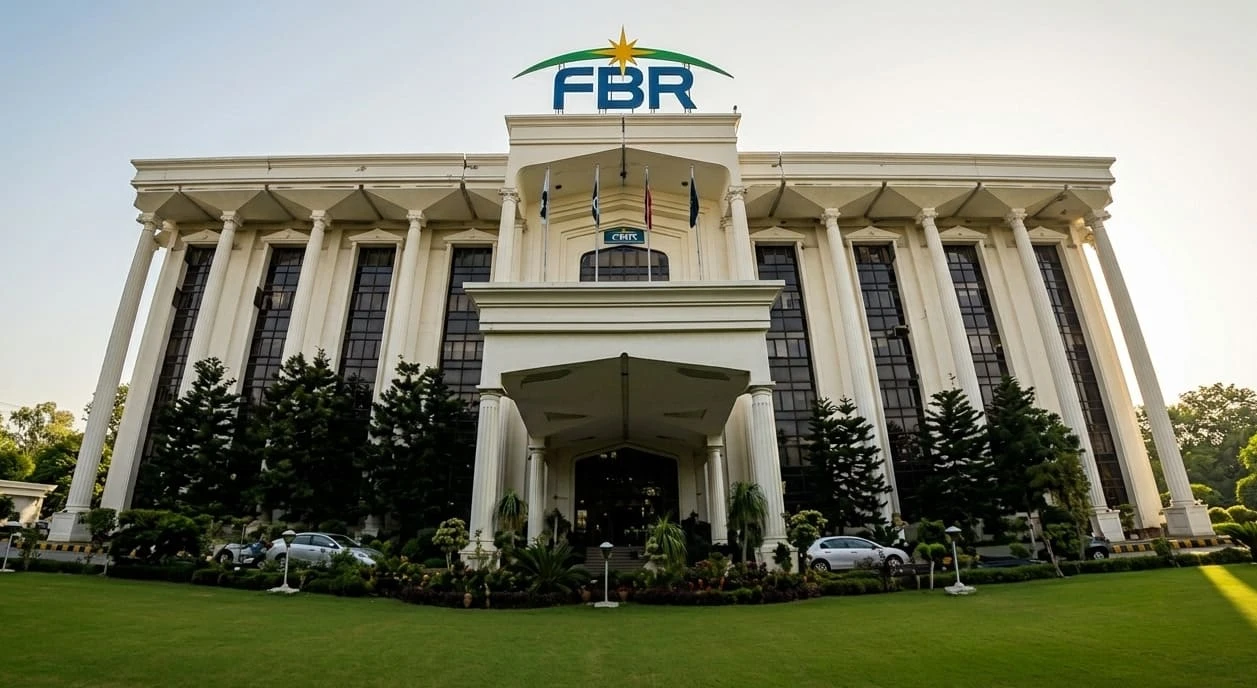
ISLAMABAD: The Pakistan Tax Bar Association (PTBA) has urged the Federal Board of Revenue (FBR) to urgently address gaps in its digital tax system, presenting a set of recommendations to align the infrastructure with existing laws and improve taxpayer facilitation.
In an April 2026 letter to the FBR Chairman, the Pakistan Tax Bar Association (PTBA) has expressed serious concerns regarding the gaps in the Federal Board of Revenue’s (FBR) digitized tax infrastructure, particularly the IRIS portal. According to the association, technical limitations are not just minor inconveniences—they are actively undermining statutory laws and creating compliance hurdles for taxpayers across the country.
At the core of PTBA’s concerns is the mismatch between the digital system and existing legal frameworks. Tax laws, including Statutory Regulatory Orders (SROs), are designed with specific procedures and rights in mind. However, when the digital platform does not fully reflect these provisions, taxpayers may find themselves unable to comply properly—even when they intend to.
Several key issues have been highlighted:
For tax professionals, these challenges translate into increased workload and uncertainty. Instead of focusing on advisory and compliance strategy, practitioners are forced to spend additional time navigating system errors and workarounds. This not only affects efficiency but also raises concerns about accountability when digital processes fail.
Businesses, particularly small and medium enterprises, are also feeling the pressure. Unlike large corporations with dedicated tax teams, smaller businesses may struggle to interpret system errors or adapt to frequent changes. As a result, the very goal of simplifying tax compliance through digitization risks being undermined.
It’s important to note that PTBA is not opposing digitization itself. In fact, the association acknowledges that a modern, digital tax system is essential for Pakistan’s economic growth. However, it stresses that implementation must be aligned with legal realities and user needs.
The situation highlights a broader issue: digitization without proper integration can create a disconnect between policy and practice. A system designed to improve compliance should not inadvertently make it harder for taxpayers to follow the law.
Moving forward, PTBA has called for a more collaborative approach. This includes:
If addressed properly, these concerns could turn the digital tax system into a powerful tool for reform. If ignored, however, they risk eroding trust in the system and creating long-term inefficiencies in tax administration.
The debate ultimately isn’t about whether Pakistan should digitize its tax system—it’s about how to do it right.

Feroza Arshad is a writer and content creator covering a range of subjects including news and current affairs, automobiles, sports, technology and coding, digital marketing, and Google and search trends. Her work appears across several blogs and publications. She focuses on clear, well-researched, and genuinely useful writing — breaking down developments, reviewing products, and explaining technical topics in plain language anyone can follow.
The Pakistan Stock Exchange started the week on a strong bullish note as the benchmark KSE-100 Index
7 July 2026
The Pakistan Stock Exchange continued its strong upward run as the benchmark KSE-100 Index jumped 3,
2 July 2026
Pakistan’s tax authorities are moving toward tighter digital monitoring of high-value banking
30 June 2026
Be the first to share your thoughts
No comments yet. Be the first to comment!
Share your thoughts and join the discussion below.