* All product/brand names, logos, and trademarks are property of their respective owners.
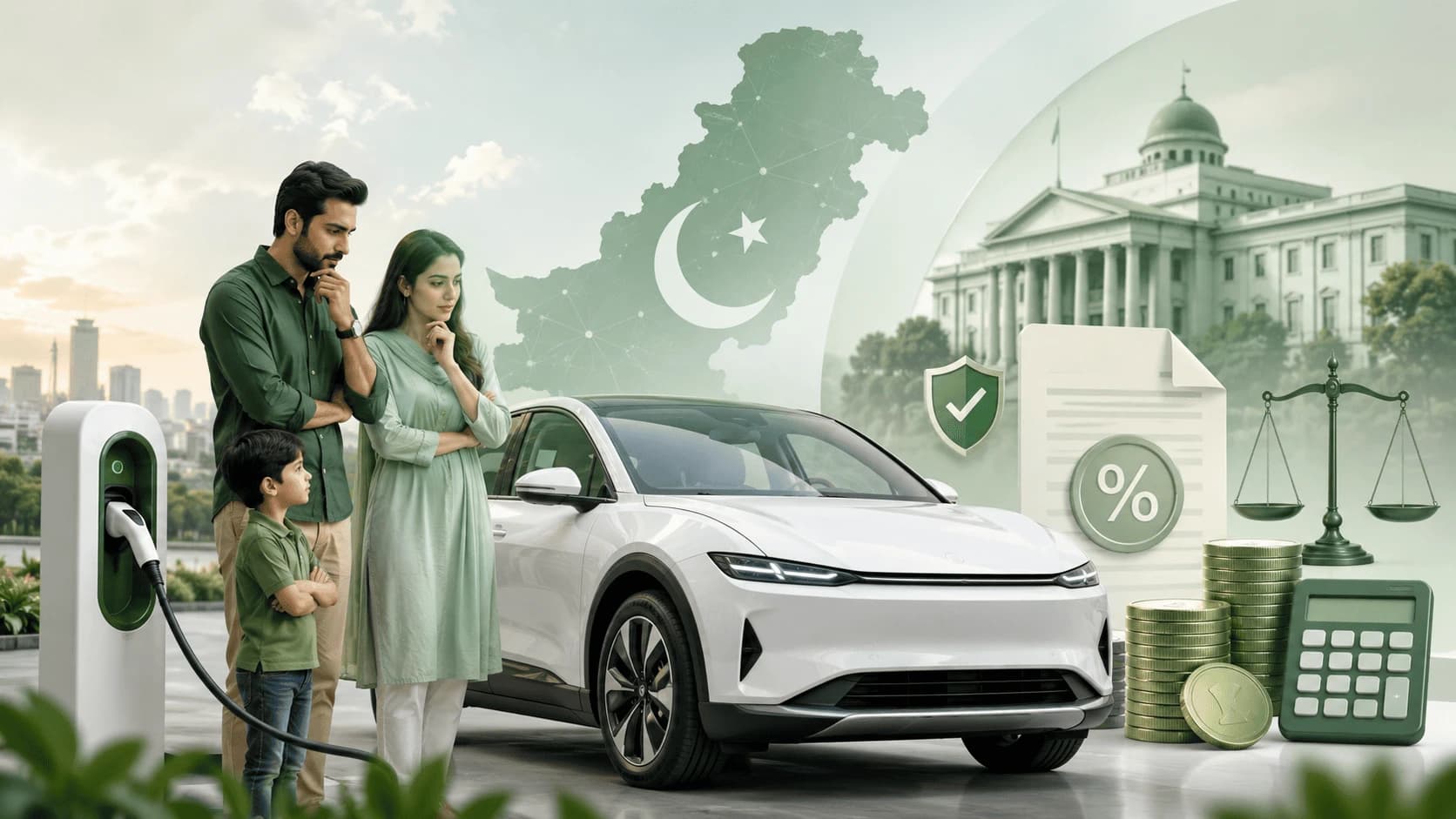
Pakistan’s hybrid car market is facing fresh price pressure after Budget 2026-27, as tax concessions on hybrid vehicles have reportedly ended from July 1, 2026.
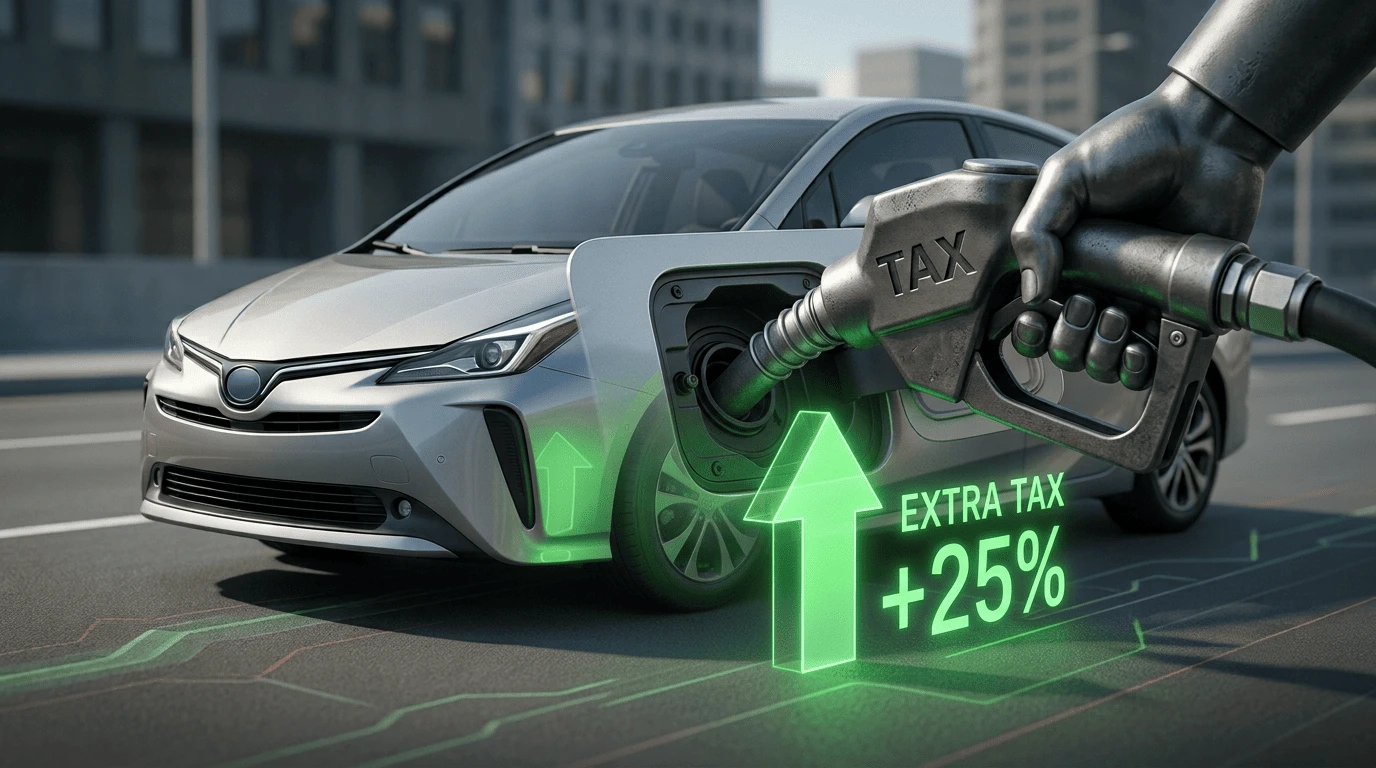
The change means buyers of imported hybrid cars may now face a much higher tax burden, with some hybrid vehicles falling under a 25% sales tax category depending on engine capacity. The development is expected to make popular imported hybrid models more expensive in the local market.
According to market reports, hybrid vehicles up to 1,800cc are now subject to 18% sales tax, while hybrids between 1,801cc and 2,500cc may face 25% sales tax. Earlier, hybrid vehicles had enjoyed reduced tax treatment, which helped keep prices comparatively lower than many conventional imported cars.
The impact is expected to be stronger on imported hybrid cars, including models commonly brought into Pakistan through used car import channels. These vehicles already carry multiple costs, including customs duty, regulatory duty, freight, registration charges and dealer margins.
With the higher tax rate now added to the cost structure, importers may pass the increase on to buyers. This could push up showroom prices and reduce demand among middle-income buyers who were considering hybrids for better fuel economy.
Hybrid cars have become popular in Pakistan because of rising petrol prices and better mileage compared with traditional petrol vehicles. Models such as the Toyota Prius, Toyota Aqua, Honda Vezel and other fuel-efficient imports have remained attractive for city driving.
However, higher taxes may weaken that advantage. Buyers who were already comparing hybrid vehicles with locally assembled petrol cars may now delay purchases or shift toward cheaper alternatives.
Car dealers expect the new tax pressure to affect booking decisions, especially for buyers who planned to purchase imported hybrids after Budget 2026-27. The increase may also affect resale values, as buyers factor in replacement cost and future policy uncertainty.
The wider auto sector is already dealing with high prices, limited affordability and cautious consumer spending. A higher tax burden on hybrid cars could add another challenge for both importers and buyers.
Read More
Pakistan Auto Policy 2026: Which Cars May Become Cheaper?
FED Added on Imported Vehicles in Pakistan Budget 2026-27

No bio available yet.
Pakistan’s electric vehicle market is becoming more important as fuel prices, import costs and
1 July 2026
Car prices in Pakistan have been a major concern for buyers for years. High duties, taxes, exchange
30 June 2026
Pakistanis can now apply for an electric bike through the federal government’s PAVE programme,
30 June 2026
Be the first to share your thoughts
No comments yet. Be the first to comment!
Share your thoughts and join the discussion below.