* All product/brand names, logos, and trademarks are property of their respective owners.
Google Fitbit Air is suddenly everywhere across tech blogs, social media discussions, and wearable-tech communities.
The reason is simple: people are curious about a fitness tracker that does less instead of more.
Unlike smartwatches packed with apps, notifications, and large displays, Fitbit Air takes a minimalist approach. It focuses on passive wellness tracking while removing many of the distractions users complain about in modern wearables.
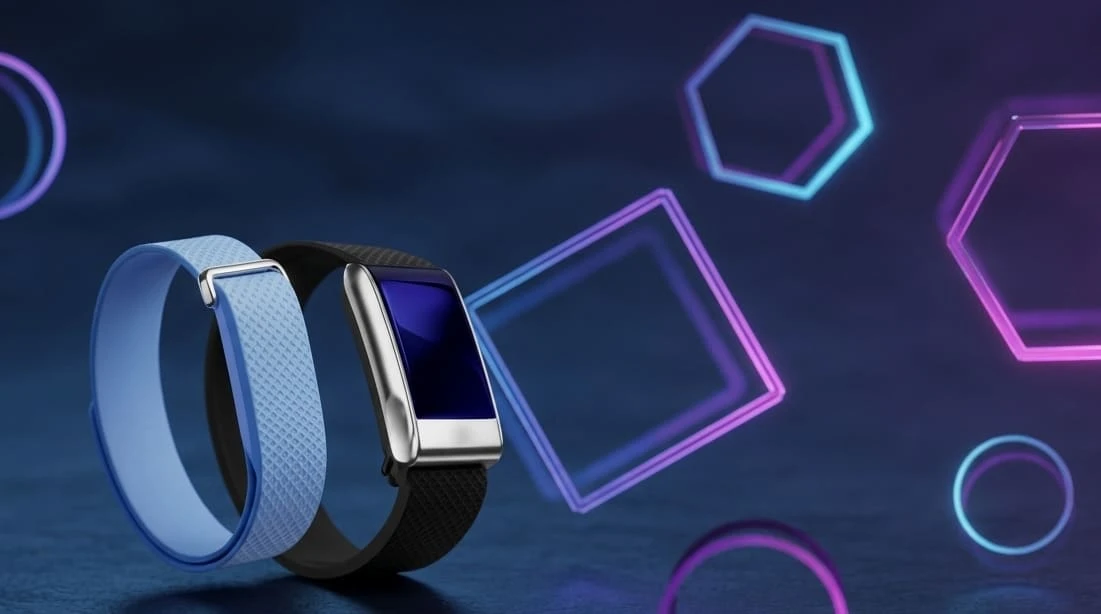
The newly announced device is a screenless, ultra-light wellness tracker weighing just 12g and offering up to 7 days of battery life. Google officially announced it on May 7, 2026, with US retail availability beginning May 26, 2026. Early listings in Pakistan are also drawing attention because the product is expected to be import-dependent and relatively hard to find during its first release phase.
That combination of simplicity, Google branding, and growing interest in distraction-free tech is exactly why people are talking about Google Fitbit Air right now.
Google Fitbit Air is a minimalist wellness tracker designed for people who want health insights without wearing a full smartwatch. Instead of using a screen, it quietly tracks wellness data in the background and keeps the experience simple.
The main idea is passive health monitoring. That means users can wear it throughout the day and let it collect useful wellness information without constantly checking alerts, apps, or notifications.
Its biggest appeal is the distraction-free design. For users who find smartwatches too busy, Fitbit Air offers a lighter and more focused alternative. It is not trying to replace a phone or act like a mini smartwatch. It is built for people who mainly care about wellness tracking, comfort, and battery life.
In simple terms, Google Fitbit Air is for users who want:
That makes it different from traditional Fitbit bands and Pixel Watch models, which usually offer screens, notifications, apps, or more smartwatch-style features.

Most modern wearables try to do everything. They display notifications, run apps, handle calls, and constantly demand attention. Google Fitbit Air is getting attention because it goes in the opposite direction.
Its screenless design feels unusual in a market filled with increasingly complex smartwatches. For many users, that simplicity is refreshing rather than limiting. People interested in digital wellness are especially drawn to the idea of a wearable that:
That “less is more” philosophy is one of the biggest reasons the device is trending online.
Another major reason for the hype is the Google and Fitbit combination itself.
Since Google acquired Fitbit, users have been expecting more wearable products that combine Fitbit’s health-tracking experience with Google’s broader ecosystem. Every new Fitbit-related announcement now attracts attention from:
Many people also see Fitbit Air as part of Google’s larger push toward AI-powered health and wellness products.
The device gained momentum quickly after its announcement, especially across YouTube, Reddit, X, and tech forums. A lot of the conversation focuses on how different the product feels compared to traditional smartwatches.
Some users are excited about the minimalist design, while others are curious whether a screenless wearable can become mainstream. The growing demand for lightweight wellness tech, combined with limited early availability in some regions, has also increased online discussion and search interest around Google Fitbit Air.

Google Fitbit Air focuses on simplicity instead of smartwatch-style complexity. Its features are designed around comfort, passive wellness tracking, and minimal distractions.
Unlike many wearables that constantly compete for attention, Fitbit Air is designed to stay in the background while still helping users track daily wellness habits.
| Device | Display | Main Focus | Battery Life | Best For |
|---|---|---|---|---|
| Fitbit Air | No screen | Passive wellness tracking | Up to 7 days | Users wanting a distraction-free experience |
| Fitbit Inspire | Small display | Basic fitness tracking | Multi-day | Casual fitness users |
| Fitbit Charge | Full display | Advanced fitness features | Several days | Active users need more tracking tools |
| Pixel Watch | Smartwatch display | Apps, notifications, smartwatch features | Daily charging | Users wanting a full smartwatch experience |
Google Fitbit Air stands out because it removes many traditional smartwatch features and focuses mainly on comfort, simplicity, and passive wellness tracking. It may appeal more to users who prefer minimal tech rather than feature-heavy wearables.

Google Fitbit Air will likely appeal to users who want a simpler wearable experience without the distractions of a full smartwatch. Its minimalist approach makes it different from many fitness trackers currently on the market.
It may be a good fit for people who:
However, users looking for advanced fitness analytics, calling features, or app support may still prefer devices like the Fitbit Charge or Pixel Watch.
The early hype around Fitbit Air shows there is growing interest in distraction-free wellness technology. Whether it becomes a long-term success will depend on how well users respond to its simplified experience in daily use.
Google Fitbit Air is attracting attention because it challenges the direction most wearable devices have taken in recent years. While many smartwatches continue adding more apps, alerts, and features, Fitbit Air focuses on simplicity, comfort, and passive wellness tracking.
That minimalist approach is exactly what makes the device stand out. Users looking for a lightweight wearable that stays in the background instead of constantly demanding attention may find the concept surprisingly appealing.
At the same time, Fitbit Air is not designed for everyone. People who rely on smartwatch apps, advanced fitness tools, or notification-heavy experiences may still prefer traditional Fitbit models or the Pixel Watch lineup.
Even so, the strong online buzz around the device shows that interest in distraction-free wellness technology is growing. Whether Google Fitbit Air becomes a major success or remains a niche product, it has already started conversations about a simpler future for wearable tech.

Feroza Arshad is a writer and content creator covering a range of subjects including news and current affairs, automobiles, sports, technology and coding, digital marketing, and Google and search trends. Her work appears across several blogs and publications. She focuses on clear, well-researched, and genuinely useful writing — breaking down developments, reviewing products, and explaining technical topics in plain language anyone can follow.
Pakistan is preparing to introduce a locally developed credit card under PayPak, marking a major ste
29 June 2026
Rockstar Games has confirmed that Grand Theft Auto VI pre-orders will begin on June 25, giving playe
20 June 2026
Pakistani freelancers have emerged as a major force in the country’s digital economy, with for
20 June 2026
Be the first to share your thoughts
No comments yet. Be the first to comment!
Share your thoughts and join the discussion below.