.webp)
* All product/brand names, logos, and trademarks are property of their respective owners.
In recent years, the conversation around health in Pakistan has become more urgent than ever. From crowded urban hospitals to under-resourced rural clinics, the country faces a growing list of health challenges — many of which are entirely preventable. Understanding the most common diseases affecting people in Pakistan isn’t just for doctors or policymakers — it’s something every Pakistani should be aware of. Because when we know better, we can take steps to live healthier, longer lives.
Pakistan, like many developing countries, battles a mix of infectious diseases, chronic conditions, and public health issues that impact millions. Dengue fever spreads rapidly during the monsoon season, hepatitis quietly affects large portions of the population, and diabetes continues to rise due to changing lifestyles. Add to that environmental factors like poor sanitation, limited clean drinking water, and lack of health education, and it becomes clear why disease prevention must be a national priority.
But here's the good news: many of these health problems are avoidable with simple, consistent steps. Whether it’s adopting healthier eating habits, staying physically active, or following basic hygiene routines — small changes can make a big difference. Prevention isn't just about avoiding sickness; it’s about creating a stronger, more resilient lifestyle for you and your family. In this blog, we’ll break down the most common health issues in Pakistan — from their causes and symptoms to practical tips for prevention. We’ll also explore how personal habits, fitness routines, and community health initiatives play a critical role in protecting ourselves and those around us. Let’s dive into what’s affecting our health — and more importantly, how we can take control of it.

Health issues in Pakistan reflect a mix of infectious outbreaks, poor public health infrastructure, and rising lifestyle-related conditions. Many of these diseases are widespread and affect people across all age groups and economic backgrounds. Understanding what these conditions are — and how they impact our bodies — is the first step toward protecting ourselves and our communities.
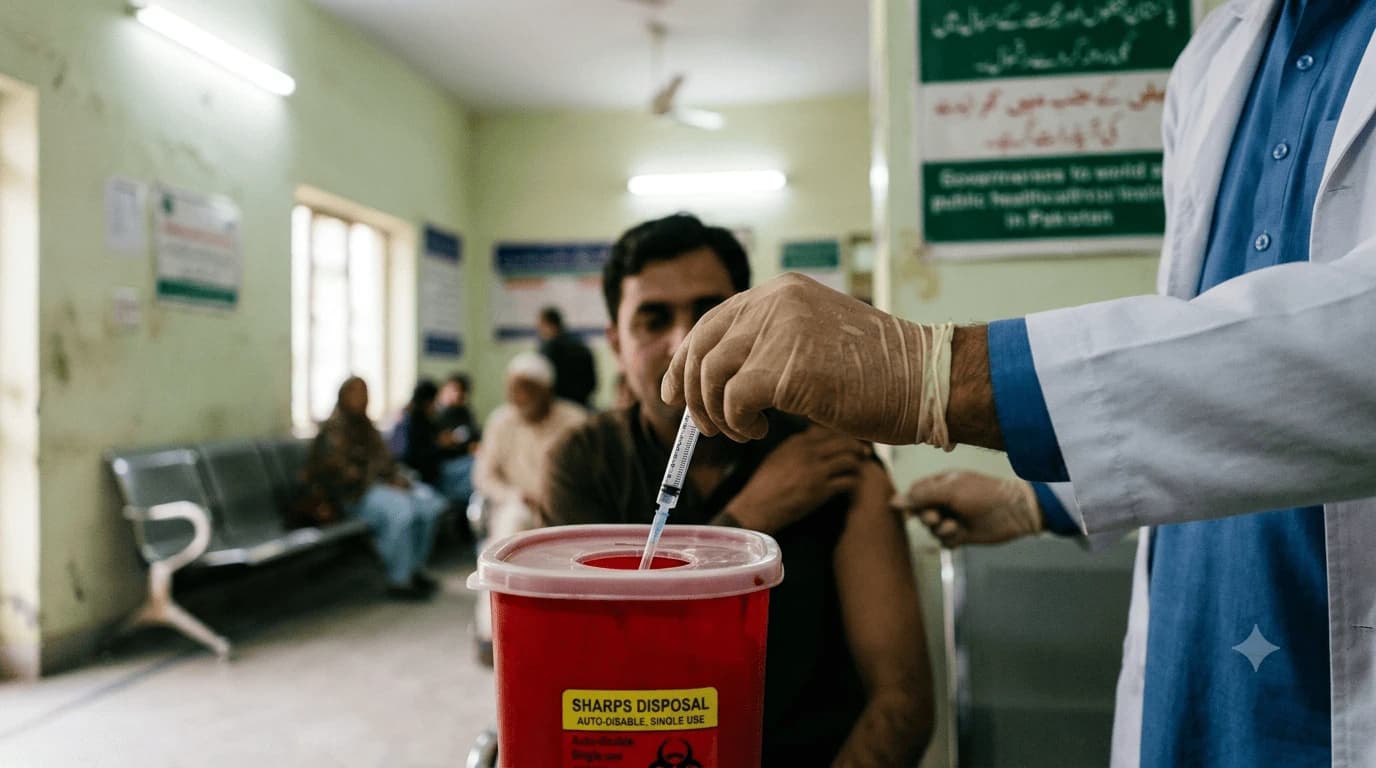
Infectious diseases remain a leading cause of illness in Pakistan. Hepatitis B and C are especially dangerous because they often go unnoticed for years before causing liver damage. Poor medical hygiene, contaminated needles, and unscreened blood transfusions are major contributors to their spread.
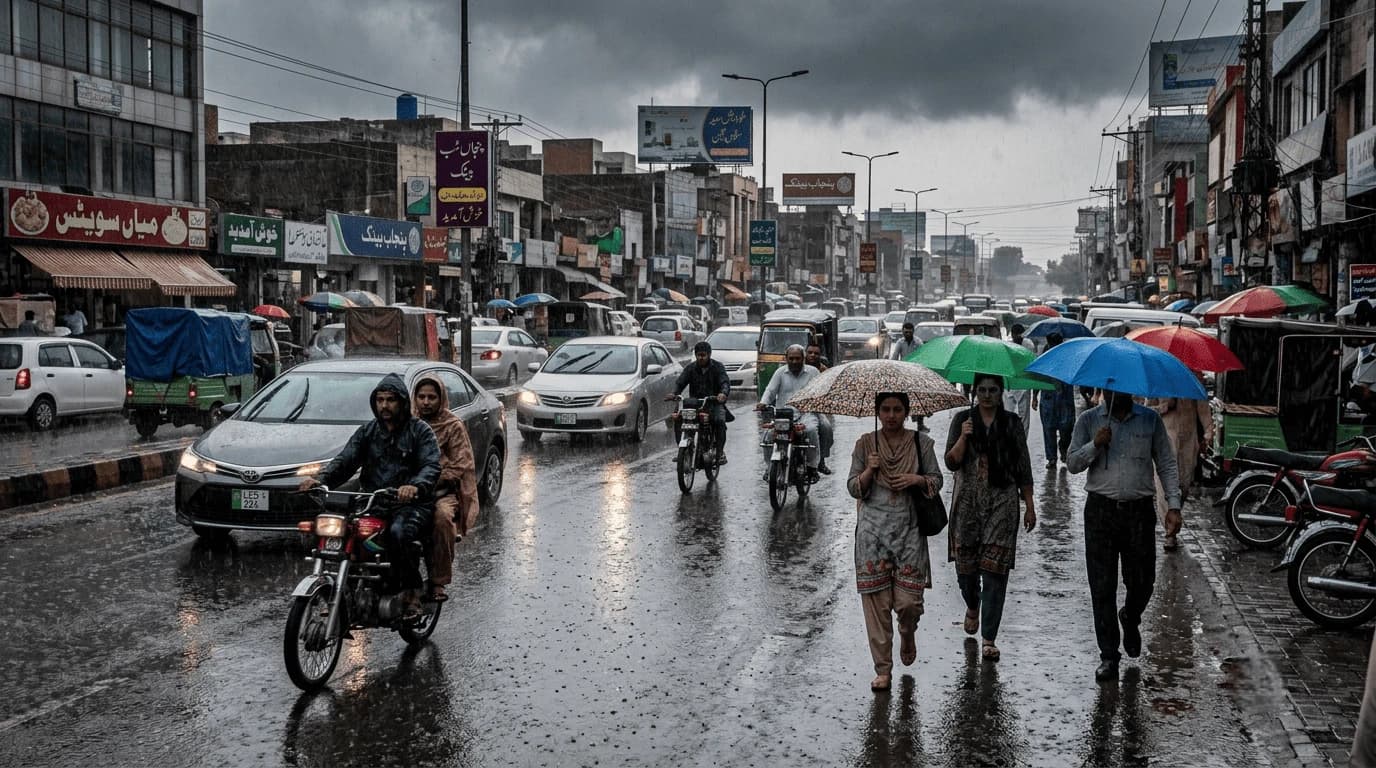
Dengue fever, on the other hand, spikes during the rainy season when stagnant water becomes a breeding ground for mosquitoes. High fever, body aches, and rashes are common symptoms. Despite awareness, dengue outbreaks continue to strain hospitals every year, especially in cities like Lahore and Karachi.
Typhoid is another bacterial infection tied to unsafe drinking water and poor sanitation — still a daily reality for many communities. It causes high fever, weakness, and stomach issues. While vaccines exist for some of these diseases, prevention mostly depends on improved hygiene and access to clean water.

As lifestyles in Pakistan become more sedentary, chronic diseases are quietly taking over. Fast food, sugary drinks, and lack of physical activity are driving up rates of diabetes and heart disease, even among young adults.
Heart disease is now one of the leading causes of death in the country. Risk factors include high blood pressure, poor diet, smoking, and stress. Diabetes, both Type 1 and Type 2, is increasingly being diagnosed at younger ages due to poor diet and inactivity.
Obesity, once rare in Pakistan, is now becoming more common, especially in urban areas. It increases the risk of joint pain, hypertension, and other complications. These diseases are largely preventable with lifestyle changes, yet public awareness around them remains low.
Diseases related to environmental issues are equally alarming. Contaminated water leads to diarrhea and parasitic infections, especially in children. These conditions remain among the top causes of death for children under five in Pakistan.
Air pollution, particularly in urban areas like Lahore, contributes to respiratory issues such as asthma and chronic bronchitis. The lack of public sanitation, garbage disposal, and access to clean toilets continues to be a serious threat to health in both rural and peri-urban communities.
Maternal health and malnutrition are also major concerns, with many women and children lacking access to proper prenatal care or balanced diets. Public health infrastructure struggles to meet the demand, especially during seasonal disease outbreaks or emergencies.
Preventing disease doesn’t always require expensive medicine or hospital visits — it often starts with the small choices we make every day. Whether you're living in a busy city or a small village, building a healthier lifestyle is possible and essential. Here are some of the most effective strategies anyone in Pakistan can adopt to reduce the risk of common health problems.
The foundation of good health begins with basic hygiene and personal care. Simple actions like washing hands with soap, drinking clean water, and using safe toilets can significantly reduce the risk of infections like hepatitis, typhoid, and diarrhea.
Getting 7–8 hours of sleep each night and managing stress through mindfulness, prayer, or breathing exercises can lower the chances of chronic conditions like high blood pressure and depression. Regular medical check-ups help in early detection and treatment — yet many Pakistanis skip them due to cost or lack of awareness. Parents and schools play a key role here — teaching kids these habits early can create a long-term impact on community health.
You don’t need a gym to stay active. A daily 30-minute walk, cycling, or stretching at home can improve blood circulation and reduce the risk of lifestyle diseases. Staying active also helps manage stress and keeps weight in check.
Nutrition is another powerful prevention tool. Instead of deep-fried foods and sugary drinks, opt for more home-cooked meals with lentils, whole grains, vegetables, and fruits. Pakistan’s traditional dishes can be made healthier with less oil and more fiber-rich ingredients. Drinking more water, eating in moderation, and staying physically active can prevent obesity, diabetes, and even boost immunity — protecting you against seasonal flu and infections.
While personal habits are important, health education and access to services make a big difference at the community level. Government initiatives like the Sehat Sahulat Program and NGO-run mobile clinics are helping bridge healthcare gaps, especially in rural regions. Vaccination campaigns and public health awareness drives — like those against polio and hepatitis — show how information can drive prevention. But more consistent efforts are needed to reach remote and underserved communities.
Local leaders, teachers, and health workers can help spread accurate health information. Even small actions, like organizing a community hygiene session or distributing clean water filters, can make a huge difference.

Pakistan faces a complex mix of health challenges, from rapidly spreading infections to chronic lifestyle-related diseases. These issues touch nearly every family in some way — but many of them are preventable. With basic hygiene, proper diet, regular exercise, and access to healthcare, we can protect ourselves and others from falling sick.
Whether it's avoiding mosquito bites during dengue season, eating more fruits and vegetables, or simply encouraging someone to go for a medical check-up, every action counts. The first step to change is awareness, and the second is action. Let this blog be your guide to making healthier choices. Share it with a friend, talk to your family about prevention, and commit to one positive habit this week. Together, we can create healthier homes and a stronger Pakistan.
Also Read

Mushraf Baig is a content writer and digital publishing specialist focused on data-driven topics, monetization strategies, and emerging technology trends. With experience creating in-depth, research-backed articles, He helps readers understand complex subjects such as analytics, advertising platforms, and digital growth strategies in clear, practical terms.
When not writing, He explores content optimization techniques, publishing workflows, and ways to improve reader experience through structured, high-quality content.
Pakistan will ban the manufacture, import and sale of conventional reusable syringes from January 1,
7 July 2026
As the world steps into 2026, a chilling headline has emerged from South Asia: the Nipah virus
29 January 2026
When it comes to infectious diseases, timing isn’t just important — it can mean the diff
23 January 2026
Be the first to share your thoughts
No comments yet. Be the first to comment!
Share your thoughts and join the discussion below.

.webp&w=3840&q=75)