* All product/brand names, logos, and trademarks are property of their respective owners.
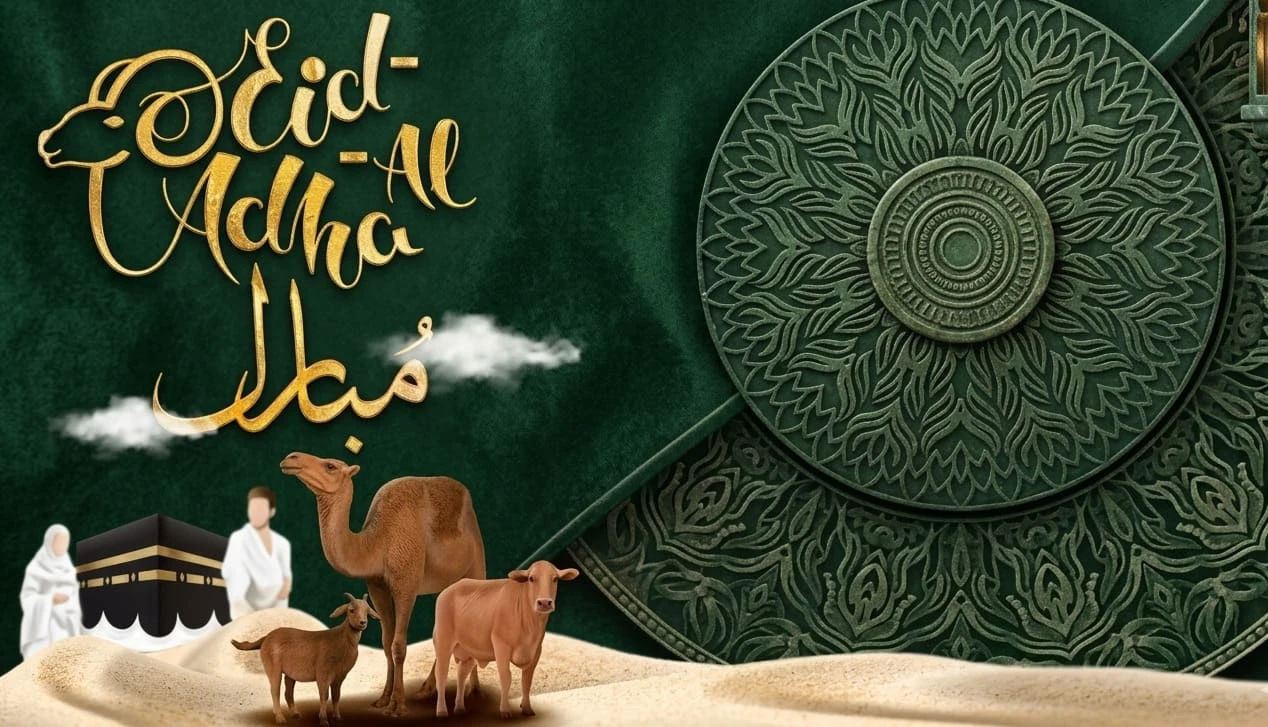
Eid-ul-Adha is one of the most meaningful celebrations in the Islamic calendar, observed by millions of Muslims around the world. Often called the “Festival of Sacrifice,” it honors values like faith, generosity, compassion, and gratitude. But beyond its religious importance, Eid-ul-Adha also plays a powerful role in bringing people together across cultures, countries, and communities.
From busy cities in the Middle East to small villages in Africa and multicultural neighborhoods in Europe and North America, the spirit of Eid creates a sense of connection that goes far beyond borders. Families gather for meals, neighbors exchange food, charities support those in need, and communities come together in celebration.
While traditions may look different from one region to another, the heart of Eid-ul-Adha remains the same: sharing, caring, and strengthening human bonds. Whether through communal prayers, acts of charity, or joyful family reunions, the festival reminds people of the importance of unity and kindness in everyday life.
Eid al-Adha carries deep spiritual meaning for Muslims. It is linked to the story of Prophet Ibrahim’s devotion and willingness to obey God, even when asked to make a great personal sacrifice. Because of this, the festival is often associated with faith, patience, trust, and selflessness.
But Eid-ul-Adha is not only about remembering sacrifice. It is also about turning that meaning into action. The celebration encourages Muslims to think beyond themselves and care for others, especially people who may be struggling.
Community is at the heart of Eid al-Adha. The day often begins with a special Eid prayer, where people gather in mosques, open grounds, or community centers. This shared prayer creates a feeling of equality and belonging, as people stand together regardless of age, background, language, or social status.
The community spirit continues through:
In this way, Eid al-Adha becomes more than a personal celebration. It becomes a collective moment of kindness, generosity, and connection.
Eid-ul-Adha is celebrated in many different ways around the world, shaped by local customs, food, language, and traditions. Yet no matter where the celebration takes place, the focus on togetherness and generosity stays remarkably similar.
Below is a look at how communities in different regions celebrate the occasion.
| Country/Region | Common Traditions | Community Element |
|---|---|---|
| Pakistan | Family feasts, meat distribution, visiting relatives | Neighbors and extended families share meals and support those in need |
| Turkey | Visiting elders, exchanging sweets, and community gatherings | Strengthening respect for family and older generations |
| Indonesia | Large public prayers and community cooking | Collective participation and neighborhood unity |
| UAE | Charity campaigns, communal meals, festive gatherings | Helping workers, low-income families, and migrant communities |
| African Communities | Shared village meals and outdoor celebrations | Bringing entire communities together through food and hospitality |
Although the customs vary, the core message remains the same. Eid-ul-Adha encourages people to connect, care for their communities, and celebrate with generosity.

In many places, families prepare traditional dishes that are unique to their culture. Streets become more lively, children wear new clothes, and homes stay open to guests throughout the day. In some regions, entire neighborhoods organize shared meals where everyone is welcome, regardless of social or economic background.
These traditions help preserve cultural identity while also strengthening relationships between families, friends, and communities. They show how a single religious celebration can unite people across languages, traditions, and continents.
One of the most meaningful parts of Eid al-Adha is the spirit of sharing. The celebration reminds people to care for others and to make sure everyone can enjoy the occasion, especially families going through difficult times.
During Eid al-Adha, many Muslims perform Qurbani and share the meat with relatives, neighbors, and people in need. This tradition helps families come together and ensures that those with fewer resources are also included in the celebration. In many communities, local volunteers and charities help distribute food to households across cities and villages.

Mosques and community organizations often arrange charity drives, food distributions, and community meals during this period. Some groups collect donations for orphanages, shelters, and struggling families. Young volunteers also participate by helping organize events and preparing food packages for those in need.
Common community efforts during Eid include:
In multicultural societies, Eid al-Adha sometimes becomes a wider community celebration. Families may invite neighbors and friends from different backgrounds to share meals and spend time together. These interactions help people learn about each other’s cultures and build stronger relationships within diverse communities.
Through these acts of generosity and hospitality, Eid-ul-Adha strengthens social bonds and encourages people to support one another with empathy and care.
Eid-ul-Adha is also a special time for reconnecting with family and loved ones. Many people travel long distances to celebrate together, especially if relatives live in different cities or countries. Homes become full of guests, shared meals, and conversations that continue throughout the day.
For many families, Eid is one of the few times in the year when everyone gathers under one roof. These moments help strengthen relationships and create lasting memories for both children and adults. Hospitality plays an important role during the celebration. Guests are warmly welcomed, and families often prepare traditional dishes to share with relatives, friends, and neighbors.
Some common Eid gathering traditions include:
Food is another major part of the celebration, and different cultures prepare unique dishes during Eid al-Adha.
Popular foods shared during Eid may include:

Beyond the food and festivities, these gatherings create a strong sense of emotional connection. They remind people of the importance of family support, friendship, and belonging to the community.
As Muslim communities continue to grow around the world, Eid al-Adha has become an important cultural celebration in many multicultural societies. In cities across Europe, North America, and other regions, the festival brings together people from different backgrounds through shared experiences, food, charity, and public events.
For many Muslim families living abroad, Eid is also a way to preserve cultural traditions and pass them on to younger generations. Parents often teach children about the meaning of Eid through family gatherings, prayers, traditional clothing, and home-cooked meals.
Many families try to keep traditions alive by:
In large multicultural cities like London, Toronto, Kuala Lumpur, and Dubai, Eid festivals are often celebrated publicly. Community centers, mosques, and local organizations arrange:
These events are not limited to Muslims alone. People from different faiths and backgrounds often join the celebrations, helping create a stronger understanding and cultural connection within diverse communities.
Technology has also changed the way people celebrate Eid al-Adha. Families separated by distance can now stay connected through video calls, online greetings, and social media. Digital charity platforms also make it easier for people to donate and support families in need across the world.

Even when communities are far apart geographically, Eid continues to create a shared feeling of belonging. It reminds people that traditions can evolve with time while still preserving the values of unity, generosity, and togetherness.
In a fast-moving world where people are often busy with work, technology, and daily pressures, celebrations like Eid al-Adha offer an important reminder of human connection. The festival encourages people to slow down, spend time with loved ones, and think about the needs of others.
The celebration teaches:
In many places, communities today face challenges such as loneliness, social division, and economic hardship. Eid helps bring people together during these difficult times through shared meals, charity efforts, and acts of kindness.
The festival also shows how cultural traditions can strengthen social bonds. Even when people come from different backgrounds, celebrations centered around kindness and hospitality often create understanding and mutual respect.
For younger generations, Eid al-Adha provides a way to stay connected to cultural identity and family values. At the same time, modern celebrations continue to adapt through digital communication, online charity campaigns, and global community engagement.
Eid al-Adha is much more than a religious celebration. It is a time when families reconnect, neighbors support one another, and communities come together through kindness, generosity, and shared traditions. Although people celebrate differently across cultures and countries, the values behind the festival remain universal.
From communal meals and charity efforts to family gatherings and cultural events, Eid-ul-Adha continues to strengthen human connections in meaningful ways. The celebration reminds people that compassion and unity can bring communities closer, regardless of language, nationality, or background.
In today’s world, where genuine connection can sometimes feel limited, Eid-ul-Adha continues to create moments of belonging, understanding, and togetherness. Its message of sharing and caring remains just as important today as it has been for generations.

Feroza Arshad is a writer and content creator covering a range of subjects including news and current affairs, automobiles, sports, technology and coding, digital marketing, and Google and search trends. Her work appears across several blogs and publications. She focuses on clear, well-researched, and genuinely useful writing — breaking down developments, reviewing products, and explaining technical topics in plain language anyone can follow.
Eid-ul-Adha is one of the most important religious festivals celebrated by Muslims around the world.
14 May 2026
Walk through any major city in Pakistan in 2026, and the shift is impossible to ignore. From the way
14 April 2026
In 2026, Pakistan is in the midst of a Digital Renaissance, where technology is reshaping creat
20 February 2026
Be the first to share your thoughts
No comments yet. Be the first to comment!
Share your thoughts and join the discussion below.