* All product/brand names, logos, and trademarks are property of their respective owners.
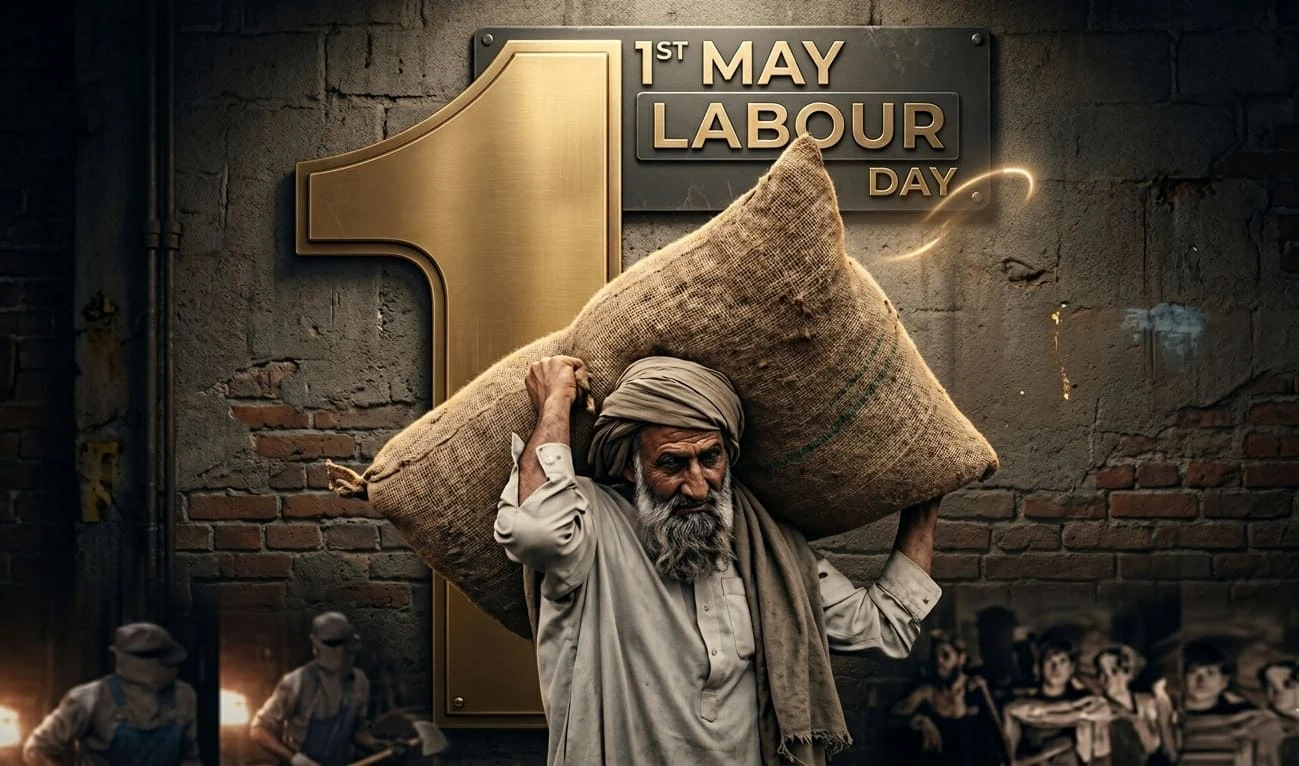
Labour Day 2026 in Pakistan arrives with a mix of official recognition and everyday reality. The Government of Pakistan has announced a nationwide public holiday on Friday, May 1, 2026, to honor the contributions of workers across the country. Public and private offices, educational institutions, and banks will remain closed, creating a three-day weekend from Friday to Sunday for many.
While the long weekend offers rest for formal sector employees, the picture is very different for a large portion of Pakistan’s workforce.
For millions of daily wage earners, Labour Day is not a day off. Construction workers, street vendors, delivery riders, and domestic helpers often continue working because missing a day means losing income. This contrast highlights a long-standing divide between formal and informal employment in Pakistan.
Even among salaried workers, the day is often seen more as a break than a moment of reflection. Ceremonies, speeches, and symbolic gestures take place, but they rarely translate into immediate improvements in working conditions.
In 2026, rising living costs remain a major concern. Inflation has made necessities—food, fuel, and housing—more expensive, putting pressure on workers across income levels. Although minimum wage policies exist, many workers either do not receive the official rate or find that it does not keep up with real expenses.
Key challenges faced by workers include:
Pakistan’s labor landscape is also evolving. The rise of the gig economy has introduced new forms of work, including ride-hailing drivers, delivery riders, and freelancers. These roles offer flexibility but often come without job protection or long-term security.
At the same time, young people entering the job market face limited opportunities, leading to underemployment or a shift toward freelance and remote work.
Labour Day continues to serve as a reminder of workers’ rights, but enforcement remains uneven. Labor laws exist on paper, yet implementation varies widely across sectors. Trade unions still operate, though their influence is not as strong as it once was.
However, awareness is gradually increasing. Social media, digital platforms, and public discussions have made it easier for workers to highlight issues and demand accountability.
Labour Day in Pakistan is not just about ceremonies or time off. It is a snapshot of a workforce navigating economic pressure, shifting job structures, and ongoing efforts for better rights. While progress is visible in awareness and policy discussions, the gap between recognition and real improvement remains a key issue shaping workers' lives today.

Feroza Arshad is a writer and content creator covering a range of subjects including news and current affairs, automobiles, sports, technology and coding, digital marketing, and Google and search trends. Her work appears across several blogs and publications. She focuses on clear, well-researched, and genuinely useful writing — breaking down developments, reviewing products, and explaining technical topics in plain language anyone can follow.
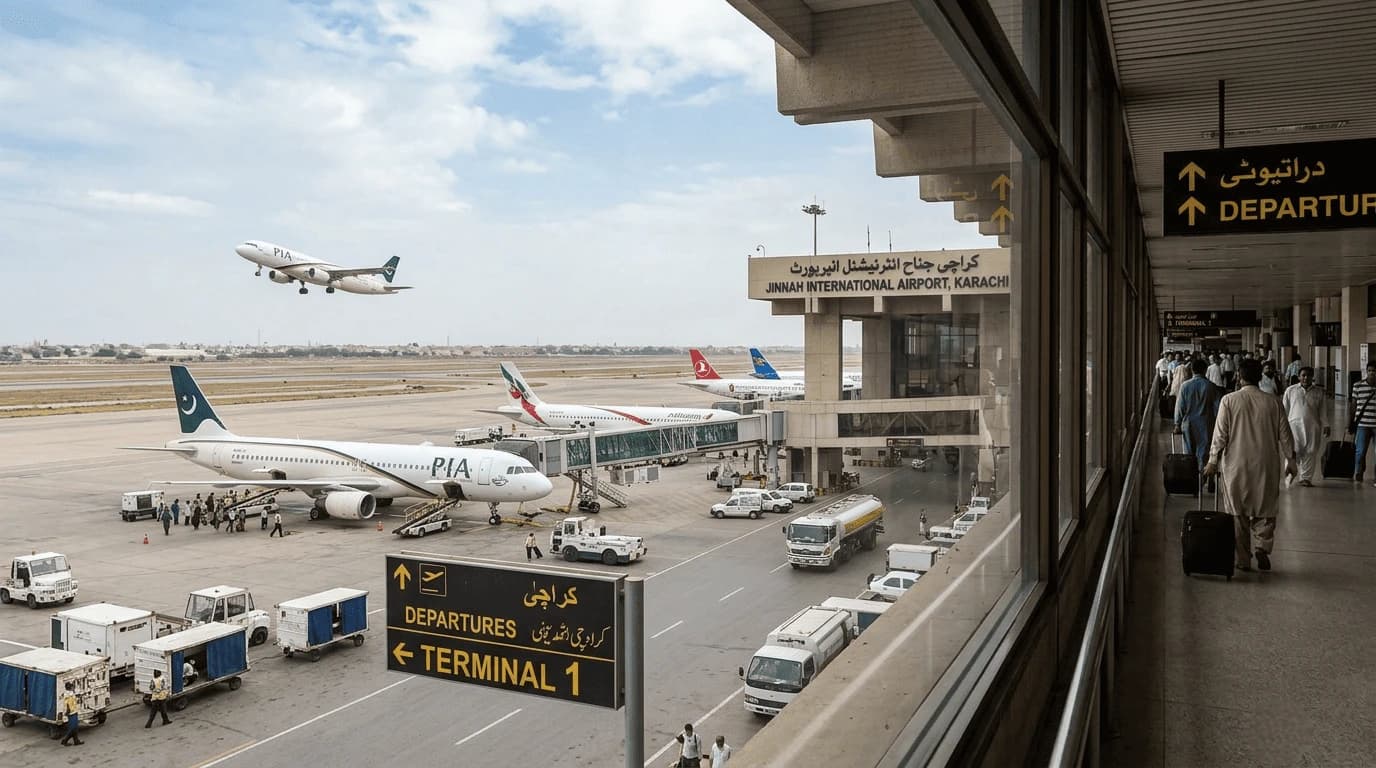
Pakistan has moved three major international airports into its airport outsourcing and privatisation
7 July 2026
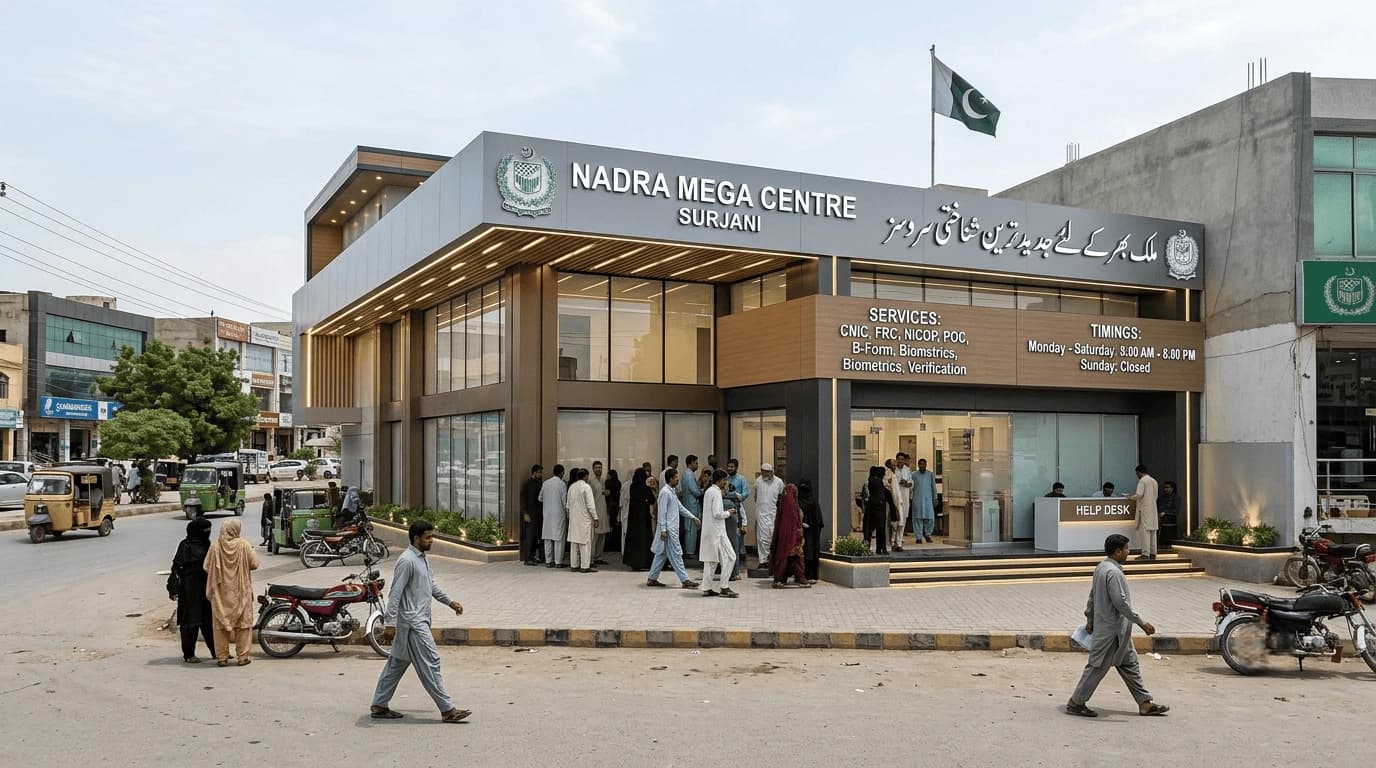
Karachi’s Surjani area has received a new NADRA Mega Centre aimed at improving access to ident
7 July 2026
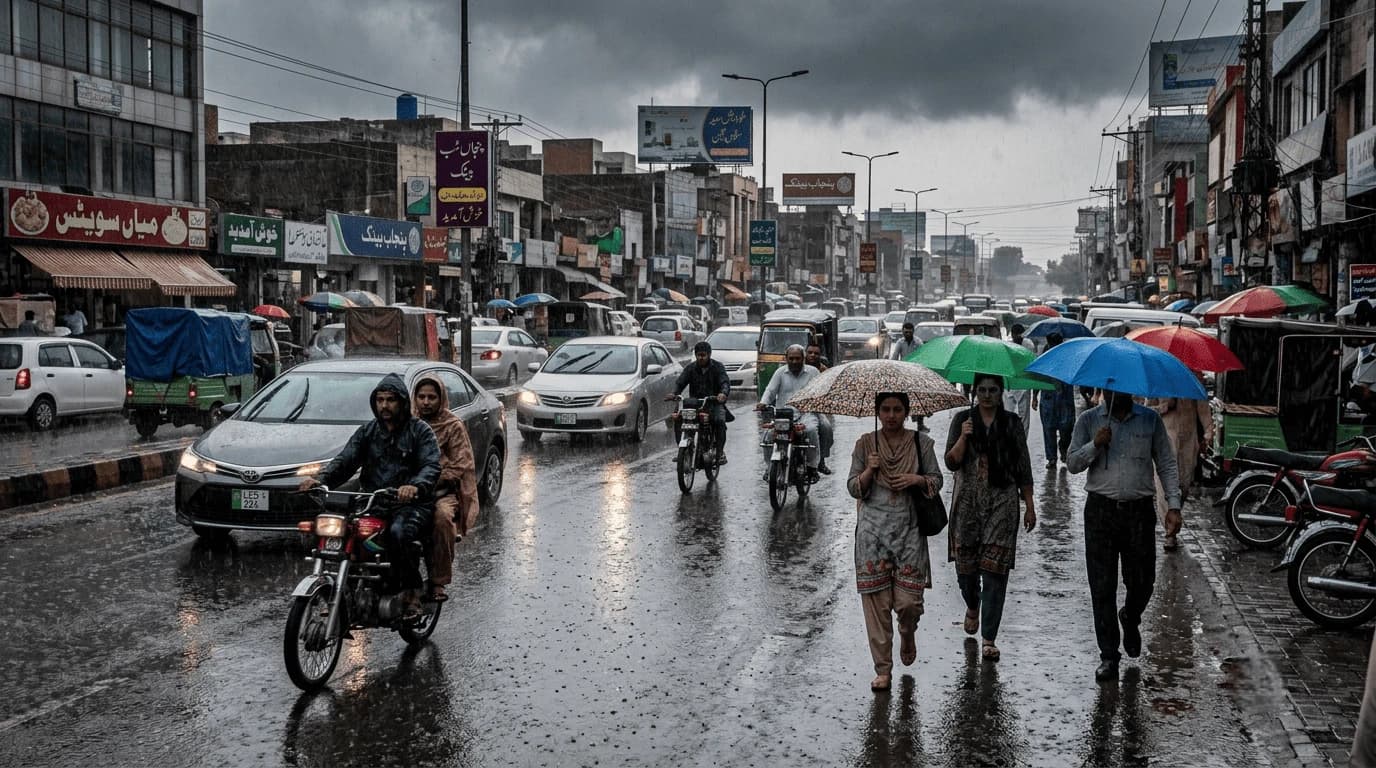
LAHORE: The Provincial Disaster Management Authority Punjab has issued a rain alert as showers, wind
7 July 2026
Be the first to share your thoughts
No comments yet. Be the first to comment!
Share your thoughts and join the discussion below.