* All product/brand names, logos, and trademarks are property of their respective owners.
As the world steps into 2026, a chilling headline has emerged from South Asia: the Nipah virus is back — and it’s triggered a fresh wave of global health concerns. In January 2026, two cases of the Nipah virus (NiV) were confirmed in healthcare workers in West Bengal, India, marking the first outbreak in the region in nearly two decades. This isn’t just another virus update — it’s a critical public health alert. Known for its high fatality rate (between 40% and 75%), lack of vaccine, and potential for human-to-human transmission, Nipah has long been on the World Health Organization’s list of priority pathogens due to its epidemic potential.
The confirmed cases sparked immediate action: airport screenings were ramped up across Asia, especially in Thailand, Malaysia, and other neighboring countries. Over 190 individuals were contact-traced, tested, and placed under observation. Authorities swiftly activated infection control protocols to contain what could otherwise become a broader health emergency.
Unlike many seasonal or regional viruses, Nipah is a zoonotic virus, meaning it spreads from animals to humans — often through bats, pigs, or contaminated food sources like raw date palm sap. Once it enters the human body, it can cause acute encephalitis (brain swelling) and severe respiratory issues, often proving fatal within days. In our hyperconnected world, local outbreaks can escalate fast. While the current outbreak is contained, health officials stress the importance of awareness, prevention, and accurate information.

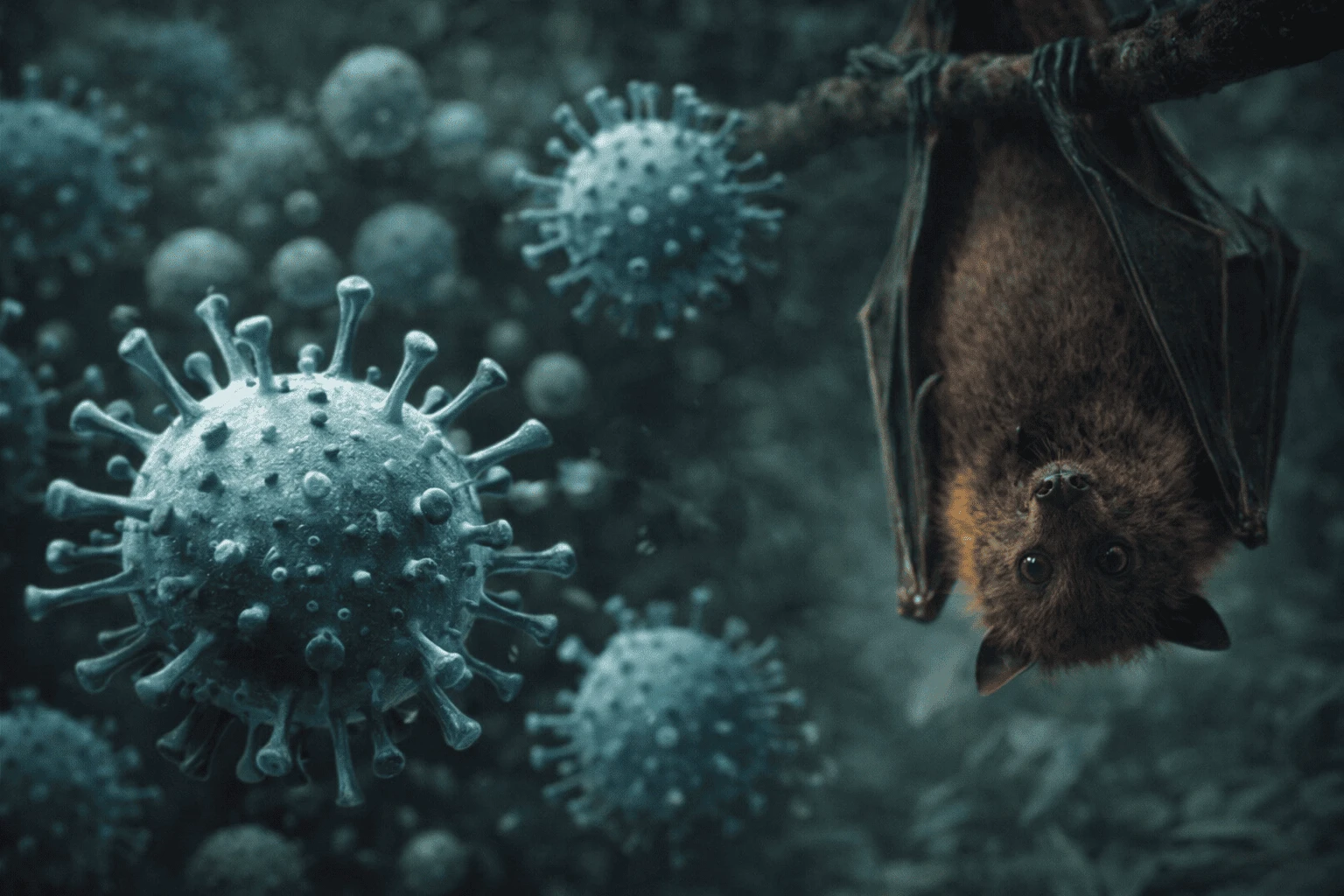
The Nipah virus (NiV) is zoonotic, meaning it jumps from animals to humans. Its natural host is the Pteropus fruit bat or flying fox, common across South and Southeast Asia, including countries like India, Bangladesh, Pakistan, and Malaysia.
Nipah first made global headlines during a 1998 outbreak in Malaysia, where it spread from pigs to humans, resulting in over 100 deaths. Since then, outbreaks have occurred sporadically in India and Bangladesh, often linked to contaminated food or direct human contact.
Transmission happens through:
Contact with infected bats, pigs, or humans
Consumption of fruit or raw date palm sap contaminated by bat saliva
Close contact with infected individuals, especially in hospitals
Its invisible early spread and wide animal reservoir make Nipah a recurring threat in high-risk regions.
Nipah’s symptoms can seem deceptively mild at first: fever, headache, sore throat, and fatigue. But within days, the virus can cause acute encephalitis, leading to confusion, seizures, coma, and often, death.
The incubation period ranges from 4 to 14 days, but some cases may take up to 45 days to show symptoms, making surveillance extremely challenging.
In survivors, the virus may cause long-term effects:
Convulsions
Personality changes
Possible reactivation of the virus months later
This combination of delayed symptoms and severe complications makes early detection and containment crucial.
Perhaps the most alarming aspect of Nipah is the absence of any approved vaccine or cure. The only treatment available is supportive care — managing symptoms and stabilizing the patient.
With a case fatality rate between 40% and 75%, the virus is significantly deadlier than many known pathogens. Due to these risks, the World Health Organization (WHO) has listed Nipah among the top viruses requiring urgent research.
Without a vaccine, prevention remains the best weapon in fighting the disease.
In January 2026, two healthcare workers tested positive for Nipah in Barasat/Kolkata, West Bengal. This was the region’s first case in 19 years. Given the occupational exposure, this immediately raised concerns about nosocomial (hospital-acquired) transmission.
The government responded swiftly:
190+ contacts traced and monitored
Emergency isolation protocols activated
Hospitals implemented enhanced infection control procedures
Quick containment efforts helped prevent wider transmission, but the event reignited global concern over Nipah’s potential resurgence.
As soon as the outbreak was confirmed, airports across Asia tightened health protocols. Nations like Thailand, Malaysia, and Singapore began screening passengers from India using thermal scanners and health declarations.
Although only two cases were reported, the fear of wider spread remained due to:
Long incubation period
Human-to-human transmission risks
Limited diagnostic capabilities in some regions
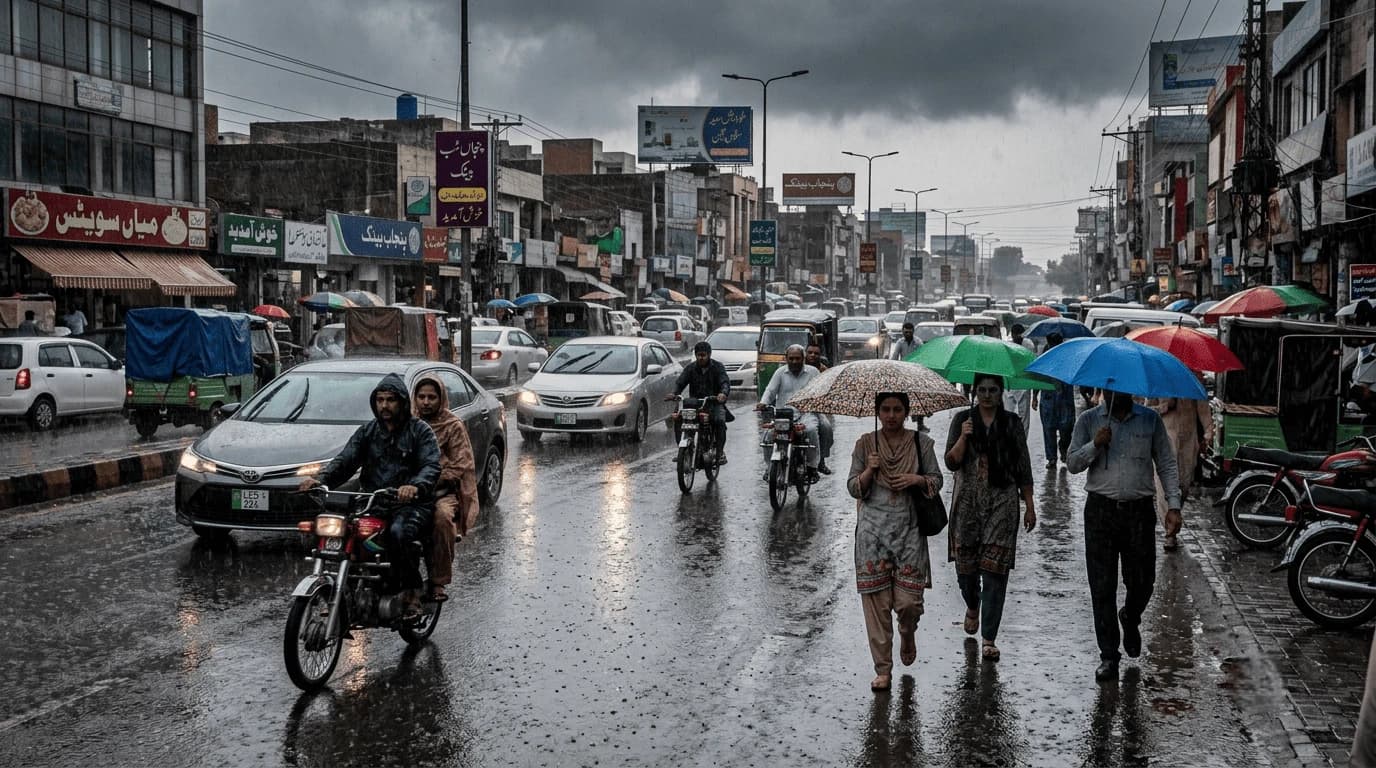
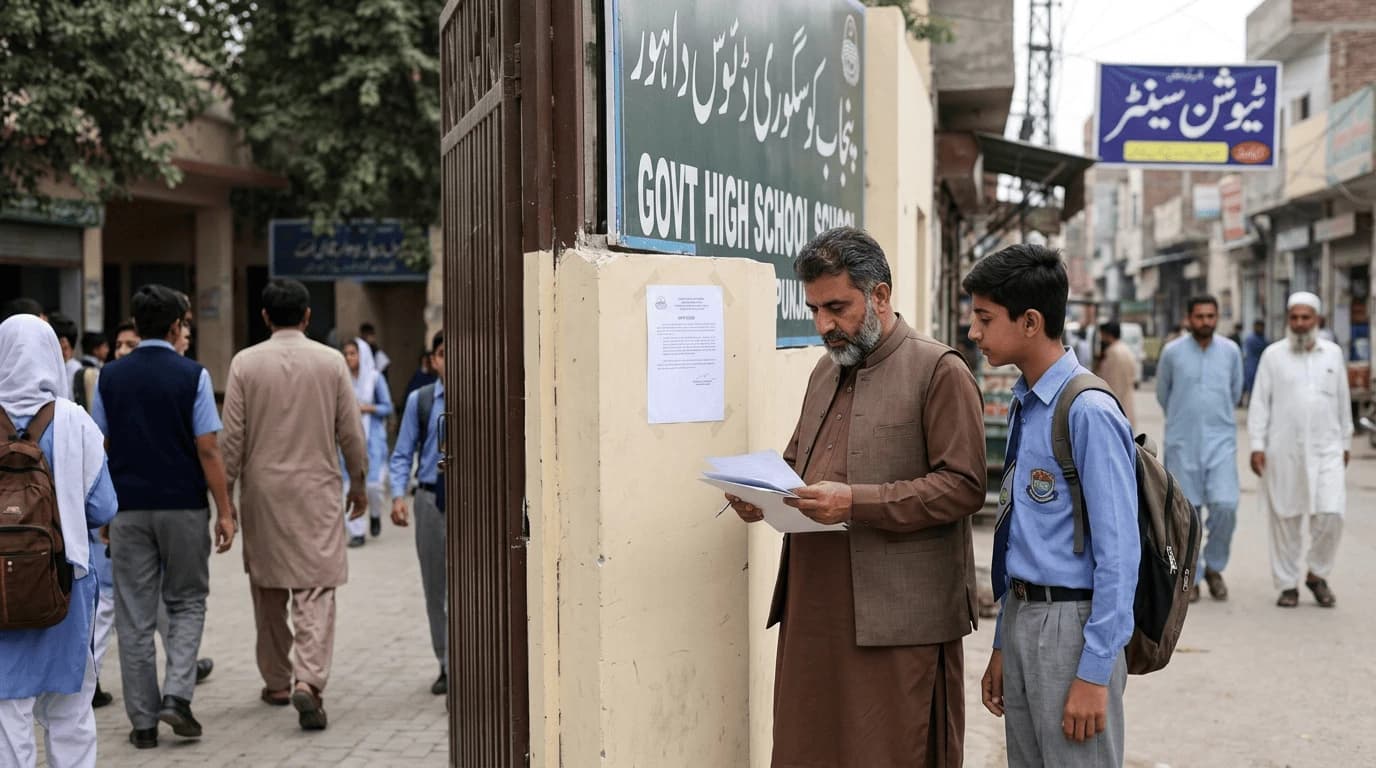
In Pakistan and other neighboring countries, health authorities increased surveillance, especially at border crossings and hospitals.
With news spreading rapidly, so did misinformation. Social media platforms saw a surge in unverified claims, including exaggerated death tolls and fictional outbreaks in other countries.
Here are the verified facts:
Only two confirmed cases so far in 2026
No evidence of cross-border spread
WHO has issued monitoring alerts, not pandemic warnings
The situation is serious — but manageable. Misinformation not only causes panic but also hampers effective public health response.
While global health bodies work on containment, individuals can take proactive steps to stay safe — especially in affected regions.
Key prevention tips include:
Avoid raw date palm sap, a common transmission source
Wash and peel fruits, especially if bought from open markets
Avoid bat roosts or trees with visible bat activity
Practice frequent handwashing and good hygiene
Stay updated with verified health advisories
By adopting simple precautions, communities can significantly reduce the risk of exposure and transmission.
Hospitals are at the center of both care and risk during outbreaks. Healthcare workers, like the two infected in West Bengal, face the highest exposure.
Essential protocols include:
Use of PPE (masks, gloves, gowns, eye protection)
Immediate isolation of suspected patients
Routine disinfection of surfaces
Educating staff on early symptoms and containment strategies
Safe handling of deceased patients to prevent post-mortem transmission
Strong hospital infection control not only protects frontline workers but also helps halt potential outbreaks.

The 2026 Nipah virus alert has shown us once again how quickly local health concerns can become global headlines. But it has also reminded us that preparedness and accurate information are our strongest defenses. With a virus that has no cure and kills nearly half of those it infects, fear is natural — but panic is not productive. Health authorities across Asia have taken effective early steps to contain the outbreak, and there’s no indication (as of now) that it will escalate into a pandemic.
Here’s what you can do:
Stay alert, not alarmed
Practice safe hygiene
Share only verified updates
Support health workers by respecting safety measures
In a world of viral headlines and social media noise, truth and science must lead the way. Whether you live in South Asia or beyond, your actions — and the information you share — matter. Stay safe. Stay informed. Don’t be part of the panic. Be part of the solution.
Related
Post-COVID Pakistan: 7 Lasting Changes in Our Healthcare System

Mushraf Baig is a content writer and digital publishing specialist focused on data-driven topics, monetization strategies, and emerging technology trends. With experience creating in-depth, research-backed articles, He helps readers understand complex subjects such as analytics, advertising platforms, and digital growth strategies in clear, practical terms.
When not writing, He explores content optimization techniques, publishing workflows, and ways to improve reader experience through structured, high-quality content.
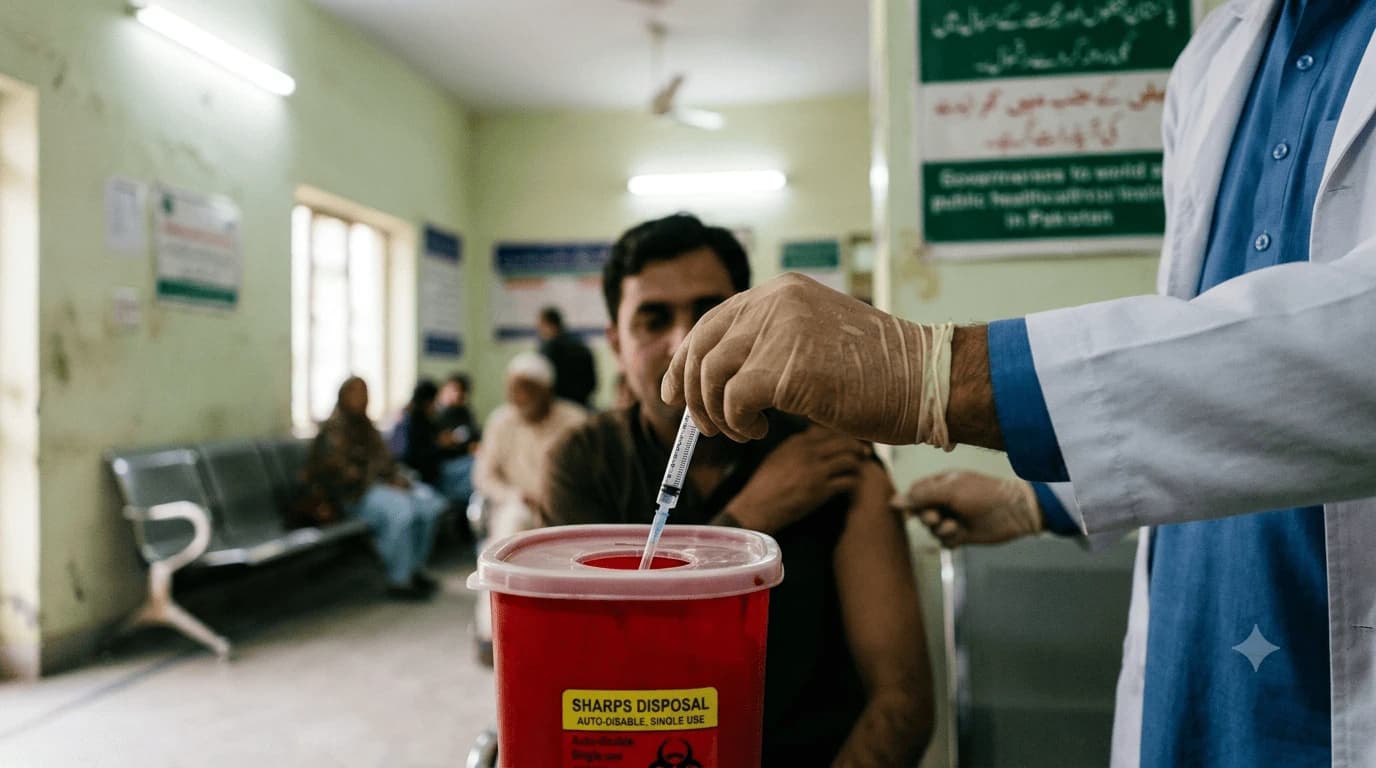
Pakistan will ban the manufacture, import and sale of conventional reusable syringes from January 1,
7 July 2026
When it comes to infectious diseases, timing isn’t just important — it can mean the diff
23 January 2026
In recent years, the conversation around health in Pakistan has become more urgent than ever. From c
16 January 2026
Be the first to share your thoughts
No comments yet. Be the first to comment!
Share your thoughts and join the discussion below.
.webp&w=3840&q=75)
.webp&w=3840&q=75)