* All product/brand names, logos, and trademarks are property of their respective owners.
Budget season can feel noisy because every headline competes for attention: new taxes, salary relief, energy prices, development spending, import duties, and support programs.
For most families, the real question is simpler: what should we watch, what should we ignore, and what actions should wait until official details are clear? This Pakistan Budget 2026-27 checklist is written for everyday readers who want to understand the budget without getting pulled into rumors.
The useful approach is to separate confirmed announcements from predictions. Before the budget is presented and fully documented, many numbers circulate through talk shows, market groups, and social media. Some turn out to be accurate, many change, and a few are simply guesses. A calm checklist helps you look for the parts that affect your home, job, studies, business, or savings.
Most people do not need to read every line of the finance documents. They need to understand the parts that change household cash flow. Focus first on the items that can raise or reduce recurring costs.
| Budget area | Why it matters | What to check |
|---|---|---|
| Income tax | Affects take-home salary and freelance income | New slabs, exemptions, withholding rules |
| Sales tax and duties | Can change prices of imported and local goods | Food, phones, vehicles, appliances, fuel-related items |
| Energy and fuel | Touches transport, electricity, and business costs | Petroleum levy, power subsidies, tariff changes |
| Education | Matters for students and parents | Scholarships, university grants, a laptop or skills programs |
| Small business support | Affects shopkeepers, freelancers, and startups | Tax registration, credit schemes, digital payment incentives |
This table is not a prediction. It is a filter. When the budget speech begins, you can use it to mark what matters instead of reacting to every announcement.

Salaried workers usually look first at income tax slabs, and that makes sense. But the monthly impact is not only tax. Transport costs, utility bills, school fees, medicine, rent pressure, and food prices can affect the real budget more than a small tax change.
Make a simple before-and-after sheet with five rows: salary received, fixed bills, grocery and transport, debt or installments, and savings. Once the official numbers are available, adjust only the rows that are actually affected. This prevents panic budgeting based on incomplete news.
Education announcements often get less attention than tax news, but they matter deeply for families. Look for grants to universities, scholarships, vocational programs, digital skills projects, student loan support, laptop initiatives, and exam or board-related funding. The important detail is whether the program is national, provincial, limited to selected institutions, or tied to income criteria.
Parents should avoid making school or university decisions based on a single speech line. Wait for eligibility notices from the relevant department or institution. Many programs need follow-up notifications before applications open.
Small business owners should watch both sides of the budget. One side is compliance: registration rules, sales tax, point-of-sale integration, withholding changes, and penalties. The other side is opportunity: loans, export support, digitalization incentives, training schemes, and relief for specific sectors.
If you run a shop, online store, service business, or freelance operation, keep a list of your main costs: rent, electricity, fuel, inventory, delivery, packaging, banking charges, and software subscriptions. Budget changes become clearer when you map them to real costs instead of abstract categories.

The biggest budget mistake is rushing into decisions because a rumor sounds urgent. Avoid panic buying, unnecessary borrowing, or changing investment plans before details are confirmed. Prices may move quickly in some categories, especially imported goods, but not every price increase is directly caused by the budget.
On budget day, write down only confirmed announcements from official documents and reliable reporting. The next day, compare expert summaries, but keep your own situation at the center. Within 48 hours, update your household or business budget with only the items that clearly affect you.
The Pakistan Budget 2026-27 will matter most when its announcements are connected to real life: salary, food, fuel, fees, bills, business costs, and savings. Treat the first wave of news as information, not instruction. A calm checklist lets families respond with better decisions instead of reacting to every headline.
The first budget headlines often simplify complicated measures. A tax may apply only above a certain income level. A subsidy may be limited to a category of users. A duty change may affect imported products first and local prices later. When reading any update, look for four details: who is affected, from which date, under which condition, and whether the measure is final or proposed.
For households, this habit prevents unnecessary stress. For example, a headline about a tax increase does not automatically mean every family pays more next month. It might apply to a product you do not buy, an income bracket you are not in, or a transaction type you rarely use. The same is true for relief announcements. A program may sound broad but require registration, income verification, or provincial approval.
Keep separate notes for food, transport, utilities, education, health, and debt payments. These categories behave differently. Food prices can respond to supply and taxes, transport responds to fuel and fares, utilities respond to tariff decisions, and debt payments respond to interest rates rather than the budget speech alone. When everything is mixed into one mental bucket, planning becomes emotional instead of practical.
A simple family meeting after the official budget documents are available can help. One person can track salary or income changes, another can check school and transport costs, and another can review planned purchases. This makes the budget a shared planning exercise instead of a source of argument.
Freelancers, YouTubers, bloggers, developers, designers, and online sellers should pay close attention to withholding rules, banking documentation, digital payment policies, and any incentives for IT exports or registered businesses. Many online earners lose money not because their work is weak, but because their documentation is incomplete or their tax planning starts too late.
If you earn online, keep invoices, remittance records, platform statements, business expenses, and bank records organized. Budget changes are easier to handle when your income trail is clean. This also helps if you plan to apply for business banking, car financing, a credit card, or a visa later.

After the budget details are clear, make three lists: costs that definitely changed, costs that might change, and costs that are unaffected. Adjust spending only for the first list immediately. Watch the second list for a few weeks. Ignore the third list so you do not overcorrect your lifestyle.
Families with tight budgets should also create a small buffer for July and August because businesses sometimes adjust prices after new tax rules become effective. A buffer does not need to be large. Even delaying one non-essential purchase can protect cash flow while markets settle.

Feroza Arshad is a writer and content creator covering a range of subjects including news and current affairs, automobiles, sports, technology and coding, digital marketing, and Google and search trends. Her work appears across several blogs and publications. She focuses on clear, well-researched, and genuinely useful writing — breaking down developments, reviewing products, and explaining technical topics in plain language anyone can follow.
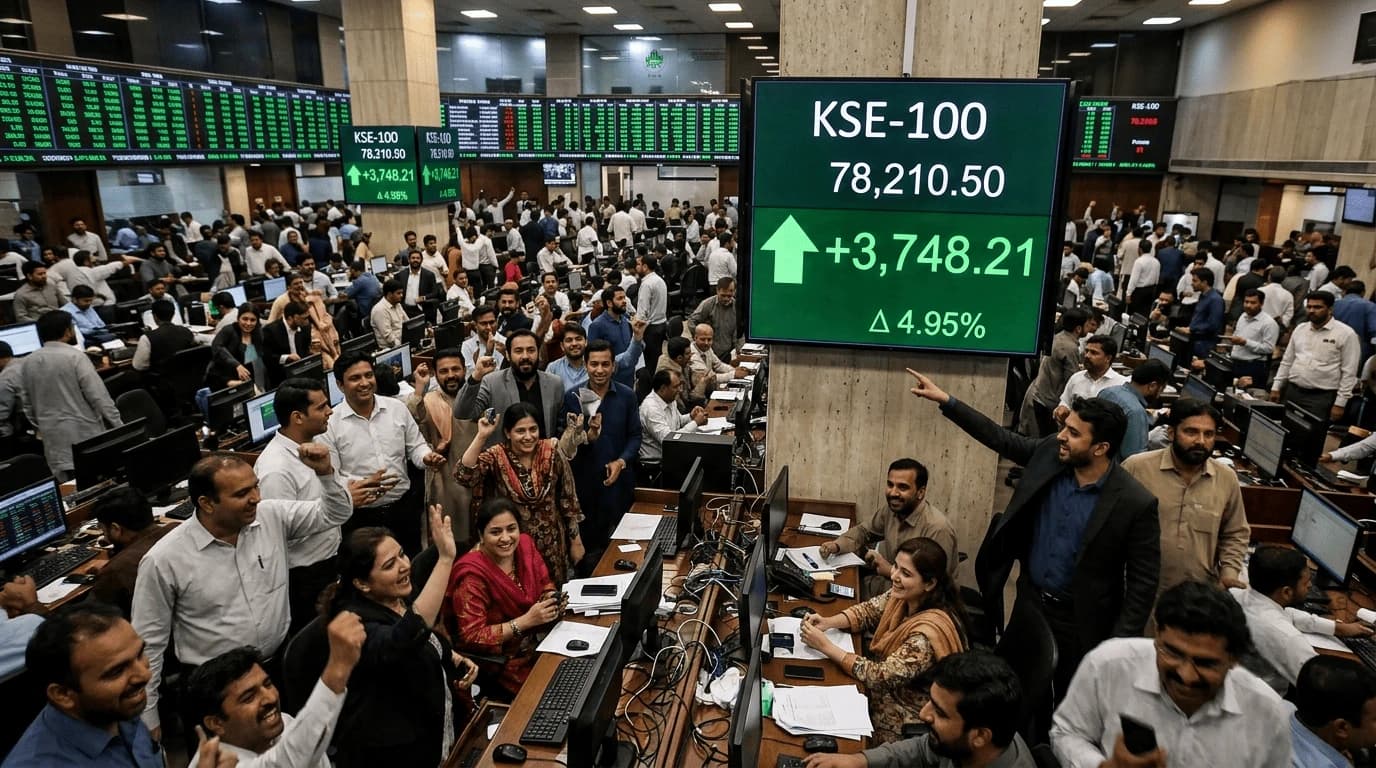
The Pakistan Stock Exchange started the week on a strong bullish note as the benchmark KSE-100 Index
7 July 2026
The Pakistan Stock Exchange continued its strong upward run as the benchmark KSE-100 Index jumped 3,
2 July 2026
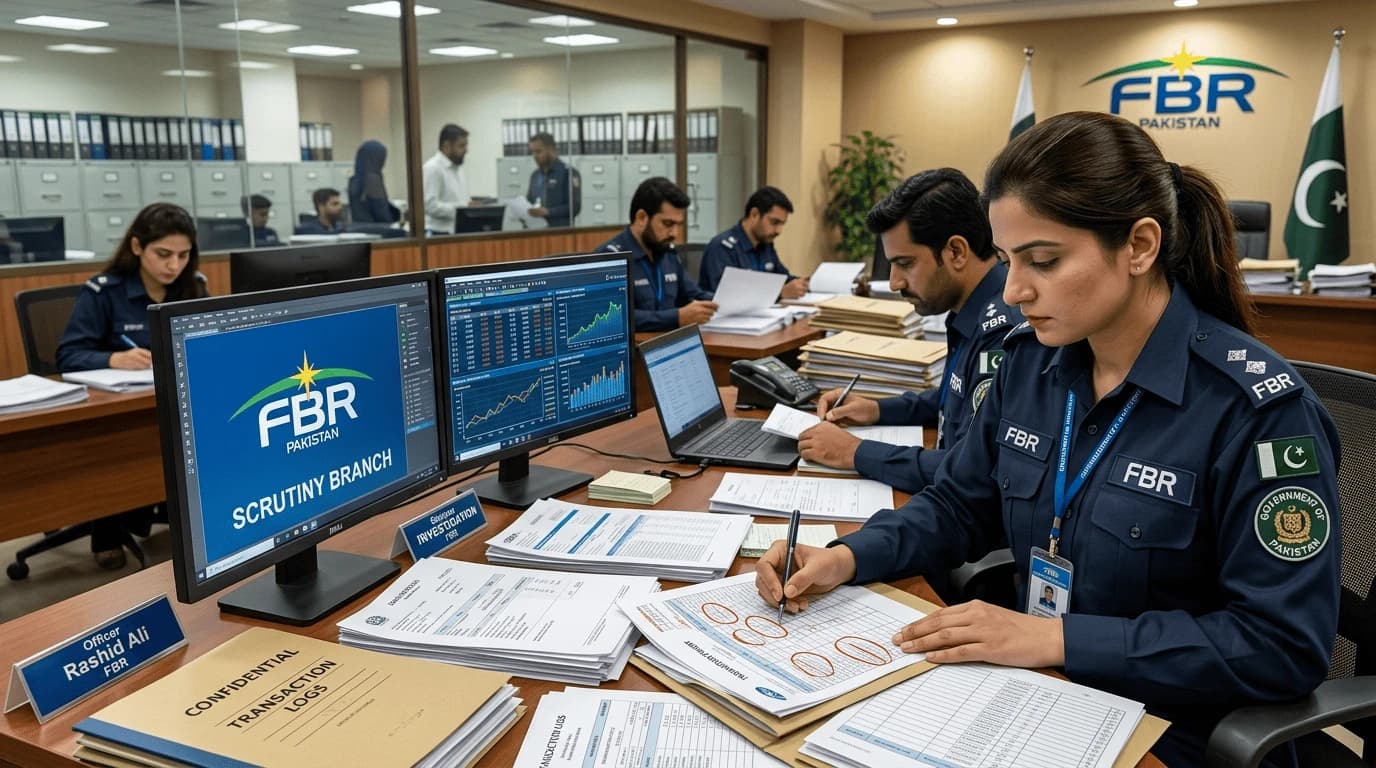
Pakistan’s tax authorities are moving toward tighter digital monitoring of high-value banking
30 June 2026
Be the first to share your thoughts
No comments yet. Be the first to comment!
Share your thoughts and join the discussion below.