.webp)
* All product/brand names, logos, and trademarks are property of their respective owners.
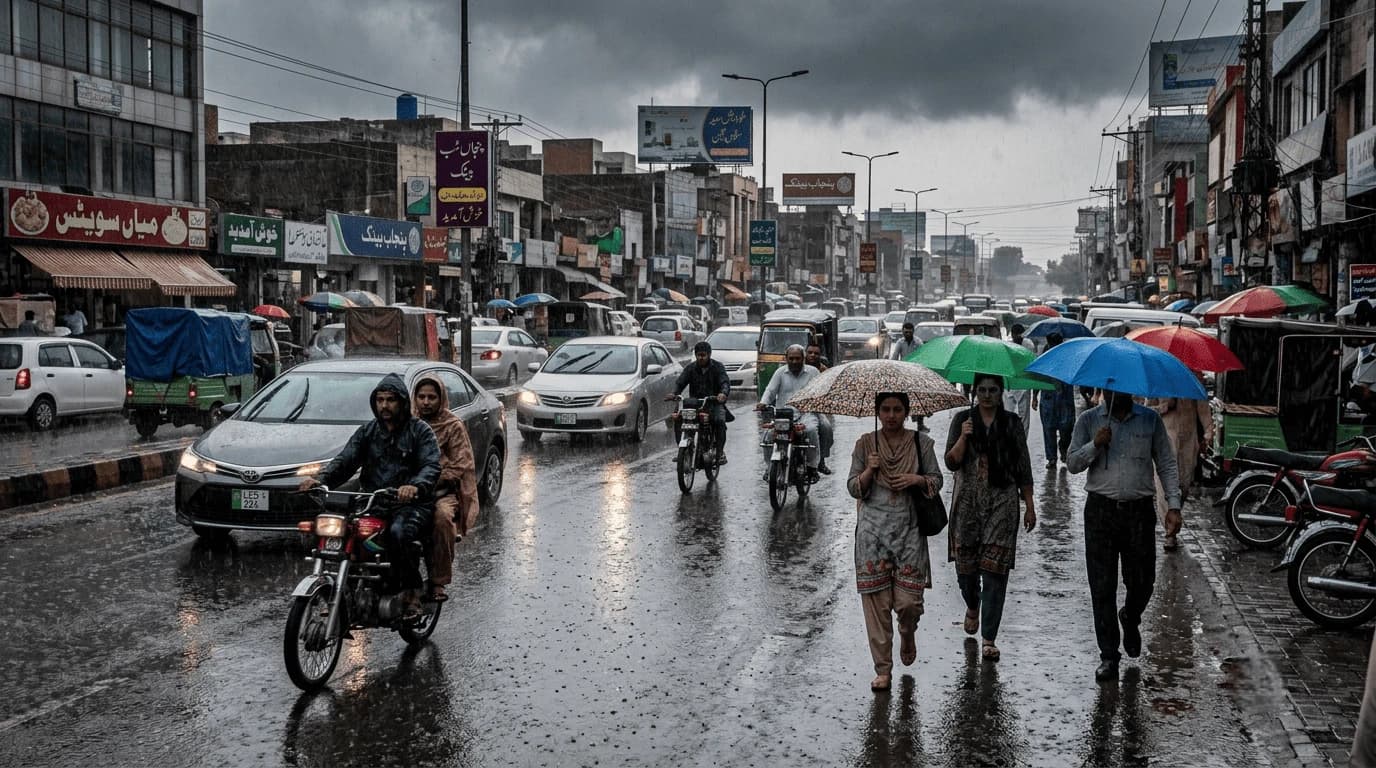
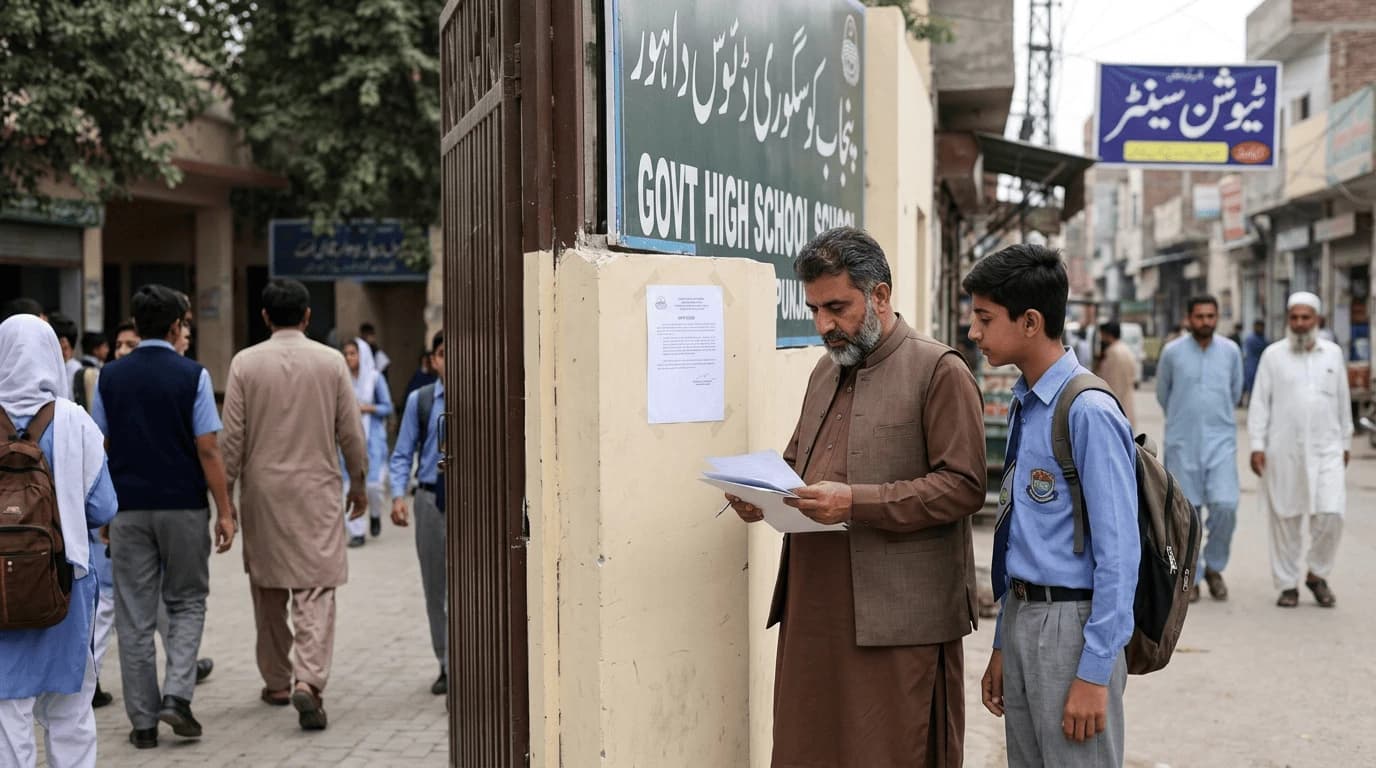
Globalization is no longer just a buzzword—it has become a force deeply embedded in our daily lives. From the clothes we wear to the shows we binge, the food we order, and even the words we speak, global influences quietly shape our identity. In Pakistan, these changes bring both excitement and concern, especially when it comes to cultural identity, a realm defined by centuries of traditions, regional customs, and shared values.
Pakistan’s culture is rich and diverse. The colorful festivals of Punjab, the soulful music of Sindh, the poetry of Balochistan, and the dances of Khyber Pakhtunkhwa each tell unique stories. Yet, these narratives are being reshaped by forces that originate far beyond our borders. Social media, global fashion, and digital connectivity have connected Pakistanis to the world like never before. While this cultural blending introduces fresh perspectives and new opportunities, it also raises important questions: Are we losing touch with our roots? Are traditional values being overshadowed by global norms? And how can Pakistanis embrace global ideas without compromising heritage?
Scroll through a Pakistani Instagram feed, and the impact of globalization is unmistakable. International celebrities, fashion trends, and viral challenges dominate the screen. Platforms like Netflix, YouTube, and TikTok have transformed entertainment consumption. Previously, evenings were often filled with local dramas and folk music; today, Hollywood thrillers, K-pop, and Turkish series compete for attention.
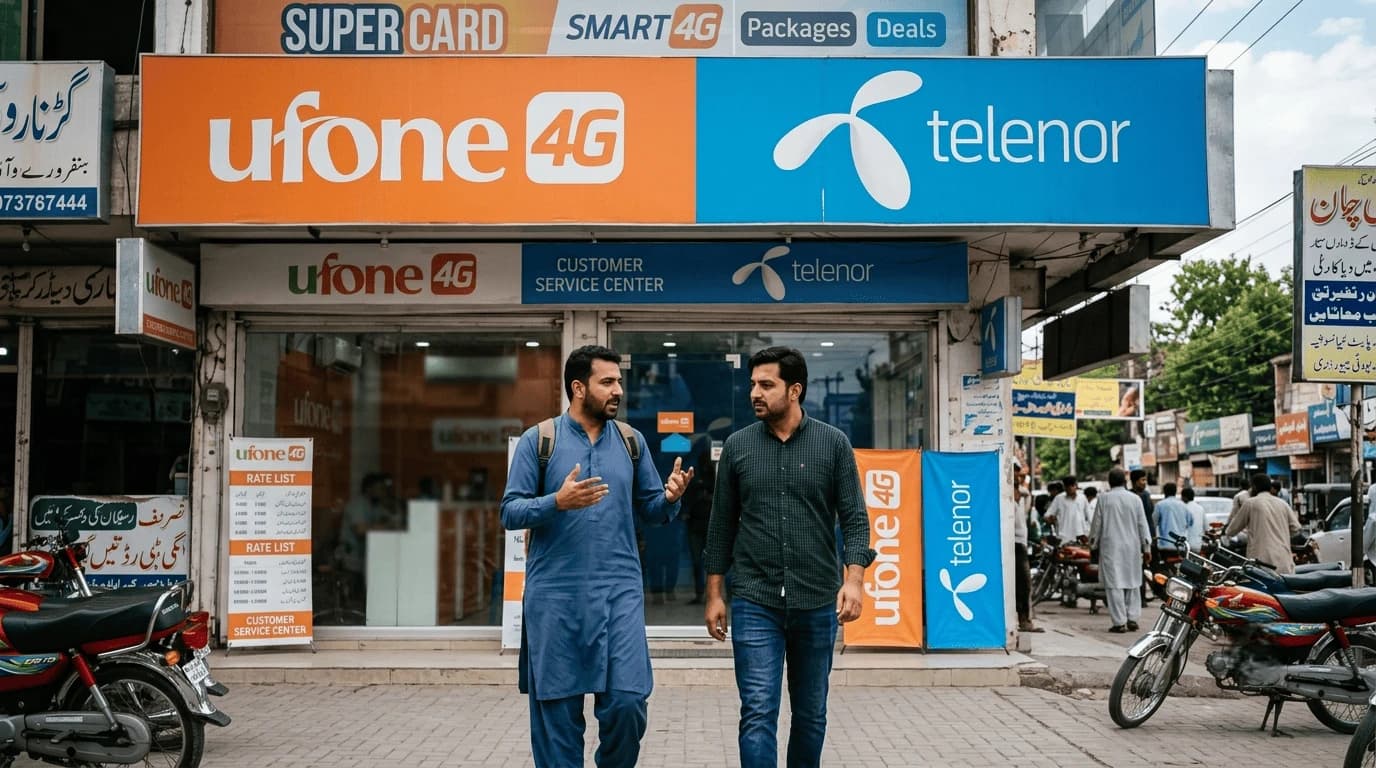
Global brands also influence lifestyles. From fast-food chains like McDonald’s and Starbucks to international fashion labels and imported products, global trends shape how Pakistanis eat, shop, and present themselves. Urban youth, in particular, are navigating shifting definitions of success, beauty, and aspiration shaped by global media.
However, it’s important to note that these trends are more visible in urban centers, while rural communities often maintain traditional consumption patterns. This distinction underscores the nuanced and layered effect of globalization across Pakistan.
Globalization is not just about material culture—it introduces new ideas that challenge traditional norms. Topics such as mental health, gender equality, and personal freedom, once considered taboo, are increasingly part of public discourse. Young Pakistanis are redefining relationships, family roles, and career goals. Women are entering new industries, nuclear households are becoming more common in cities, and traditional customs are being adapted to modern lifestyles.
This fusion of global and local values fosters creativity and progress but also prompts reflection: How can Pakistanis retain core traditions while embracing new ideas? Balancing modernization with heritage is becoming a central challenge for society, particularly for the younger generation.
Today’s youth navigate a dual identity: rooted in local traditions yet drawn toward global culture. This hybridity encourages creativity and broader perspectives but can create internal tension. One moment, they are celebrating Chaand Raat in traditional attire; the next, sharing memes inspired by Western pop culture.
Language exemplifies this shift. “Urdu-English” code-switching is increasingly common in conversations, digital messaging, and advertising. While this blend reflects adaptability and global connectedness, it also risks diluting the depth and richness of traditional Urdu and regional languages. The challenge is not simply adopting global influences but ensuring that cultural heritage remains alive and meaningful.
As global trends spread, regional languages and traditions are under pressure. Punjabi, Balochi, Pashto, and Sindhi are less frequently spoken in urban households, while Roman Urdu dominates texting and online communication. Traditional practices such as folk storytelling, regional dances, and artisanal crafts are also at risk. Festivals that once brought communities together are increasingly celebrated digitally, and weddings and public events often adopt Western aesthetics, sometimes at the expense of local flavor.
This gradual erosion threatens the rich cultural mosaic that defines Pakistan. Without active efforts to preserve these traditions, younger generations may inherit a fragmented understanding of their heritage.
Despite globalization’s pressures, efforts to preserve Pakistan’s cultural identity are growing. Young creators, community leaders, and organizations are utilizing modern tools—such as social media, digital content platforms, and art initiatives—to revive traditional customs and languages.
Events such as the Faiz International Festival, Pakistan’s Truck Art initiatives, and digital storytelling in regional languages are reinvigorating interest in fading traditions. NGOs and educational programs support the teaching of local crafts, music, and folk storytelling, ensuring that heritage remains a living, evolving part of Pakistani life.
Being modern does not require abandoning tradition. A balanced identity is both possible and necessary. Supporting local artisans, celebrating cultural days, speaking regional languages at home, and sharing folk stories with children are ways to strengthen cultural roots.
Simultaneously, Pakistanis can engage with global ideas, innovation, and discourse. The aim is not resistance but integration—living globally while thinking locally. By selectively adopting global influences through a local lens, Pakistanis can build an identity that is confident, informed, and proudly rooted in heritage.
For example, artisans may use e-commerce platforms to sell traditional crafts globally, students may study international design trends while incorporating local motifs, and creators can fuse Western digital storytelling methods with regional narratives. These approaches demonstrate that modernization and cultural preservation can coexist, strengthening rather than diluting identity.
Globalization offers Pakistan both challenges and opportunities. Exposure to global culture encourages innovation, broadens perspectives, and fosters cross-cultural collaboration. However, these benefits come with responsibility. Citizens, educators, policymakers, and creators must actively safeguard cultural heritage as they participate in global discourse.
Urban youth, in particular, carry the dual role of cultural ambassadors and innovators. Their ability to navigate multiple cultural frameworks will shape Pakistan’s future identity. By consciously choosing which global influences to adopt and how to integrate them with local traditions, they can preserve cultural authenticity while contributing to global conversations.
Globalization is here to stay, and its impact on Pakistan’s cultural identity is undeniable. Our ways of dressing, speaking, thinking, and celebrating are changing. Yet, cultural preservation and modernization are not mutually exclusive. A future where Pakistani identity thrives lies in balance—where ancient traditions coexist with contemporary ideas, and where local customs guide the adoption of global trends.
Whether you are a student exploring identity, a parent passing down values, or a content creator shaping culture, your choices matter. Engage with the global, but protect the local. Preserve languages, celebrate festivals, support artisans, and share folk narratives. In the end, our identity is not defined by what we consume—it is what we choose to protect, nurture, and pass on. By living globally and thinking locally, Pakistanis can shape a cultural identity that is dynamic, resilient, and unmistakably their own.
Also Read
Culture in the Age of Global Streaming: What’s Changing and Why

Mushraf Baig is a content writer and digital publishing specialist focused on data-driven topics, monetization strategies, and emerging technology trends. With experience creating in-depth, research-backed articles, He helps readers understand complex subjects such as analytics, advertising platforms, and digital growth strategies in clear, practical terms.
When not writing, He explores content optimization techniques, publishing workflows, and ways to improve reader experience through structured, high-quality content.
Eid-ul-Adha is one of the most meaningful celebrations in the Islamic calendar, observed by mil
16 May 2026
Eid-ul-Adha is one of the most important religious festivals celebrated by Muslims around the world.
14 May 2026
Walk through any major city in Pakistan in 2026, and the shift is impossible to ignore. From the way
14 April 2026
Be the first to share your thoughts
No comments yet. Be the first to comment!
Share your thoughts and join the discussion below.