* All product/brand names, logos, and trademarks are property of their respective owners.
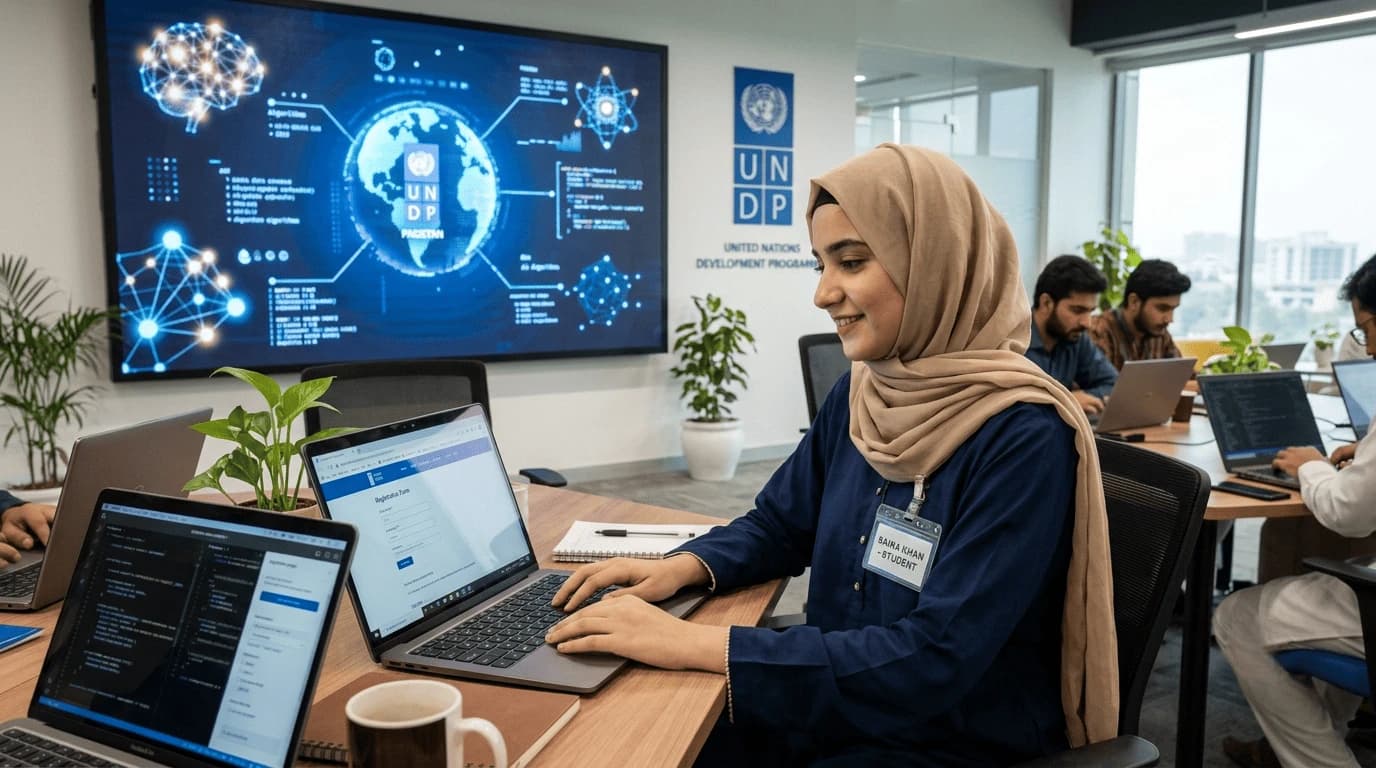
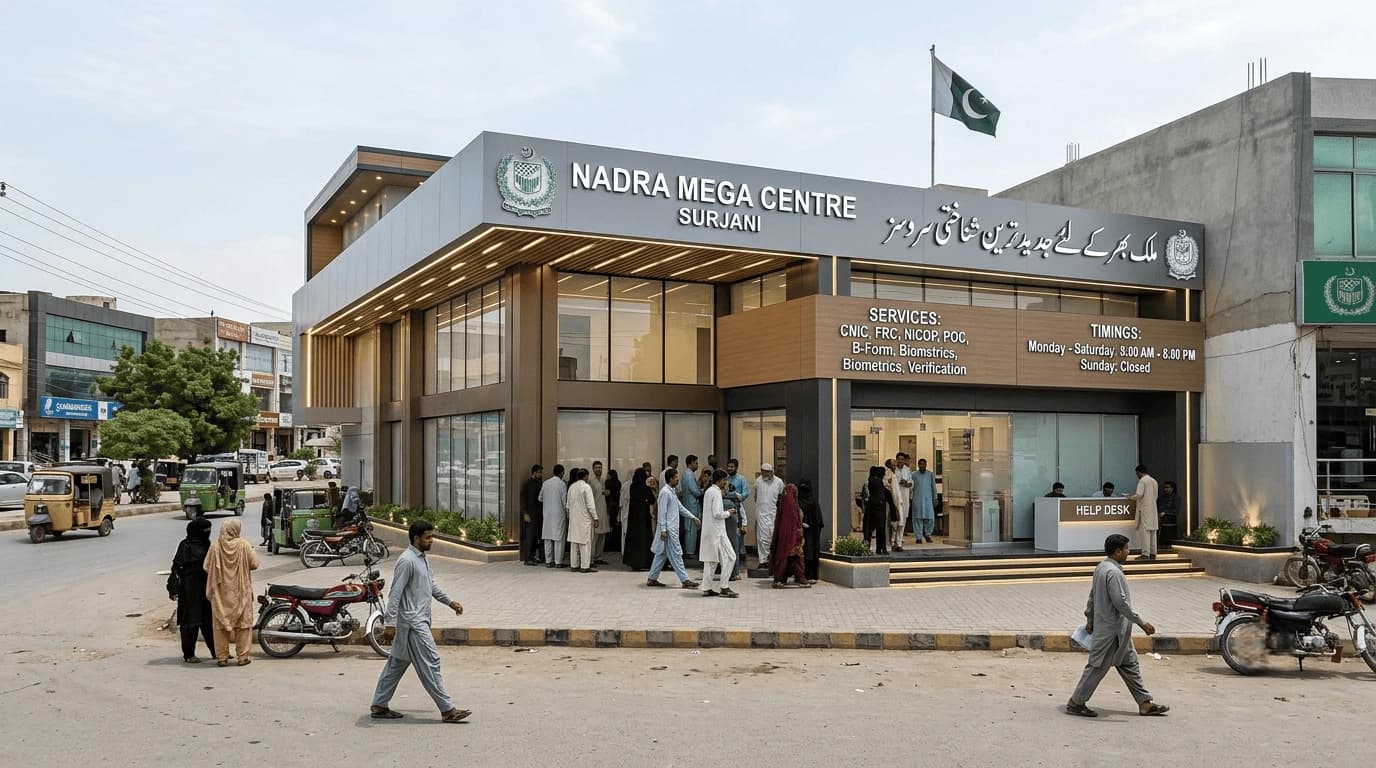
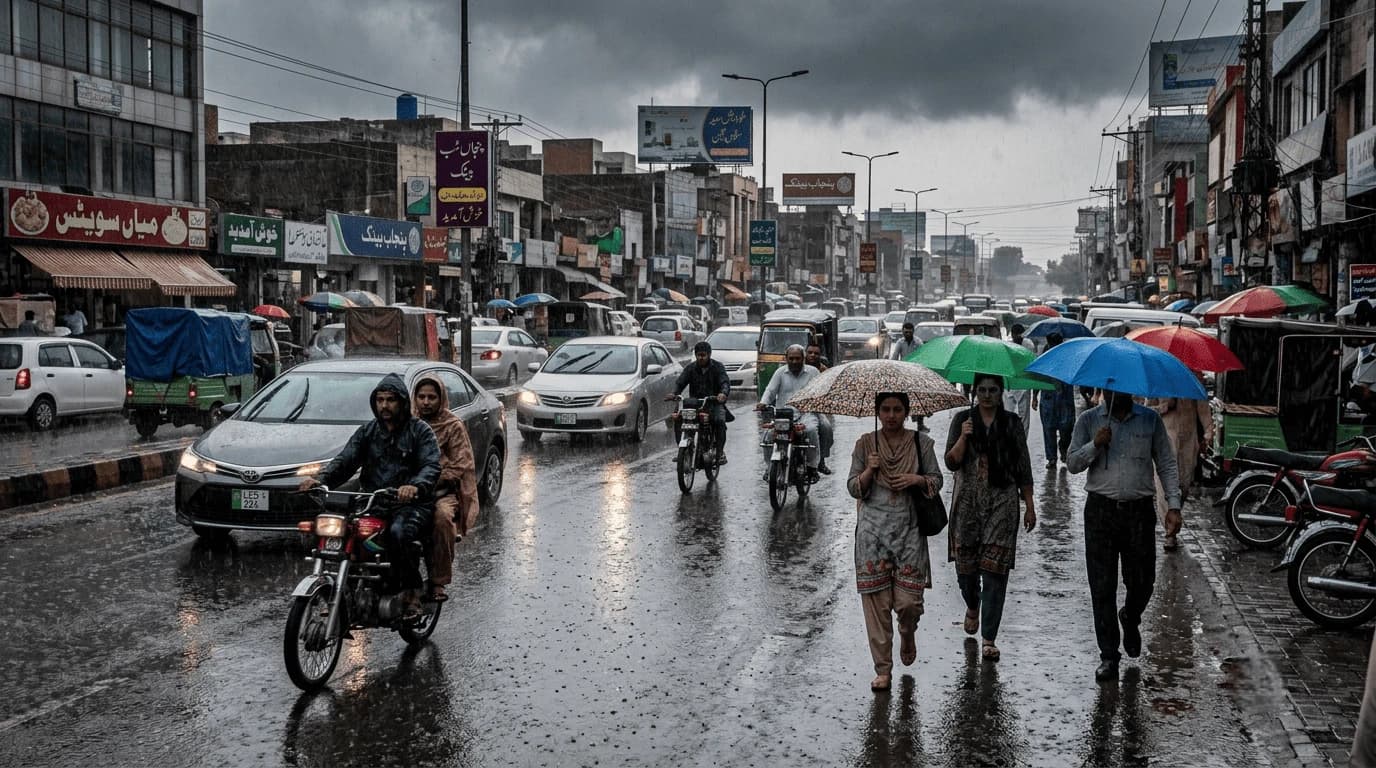
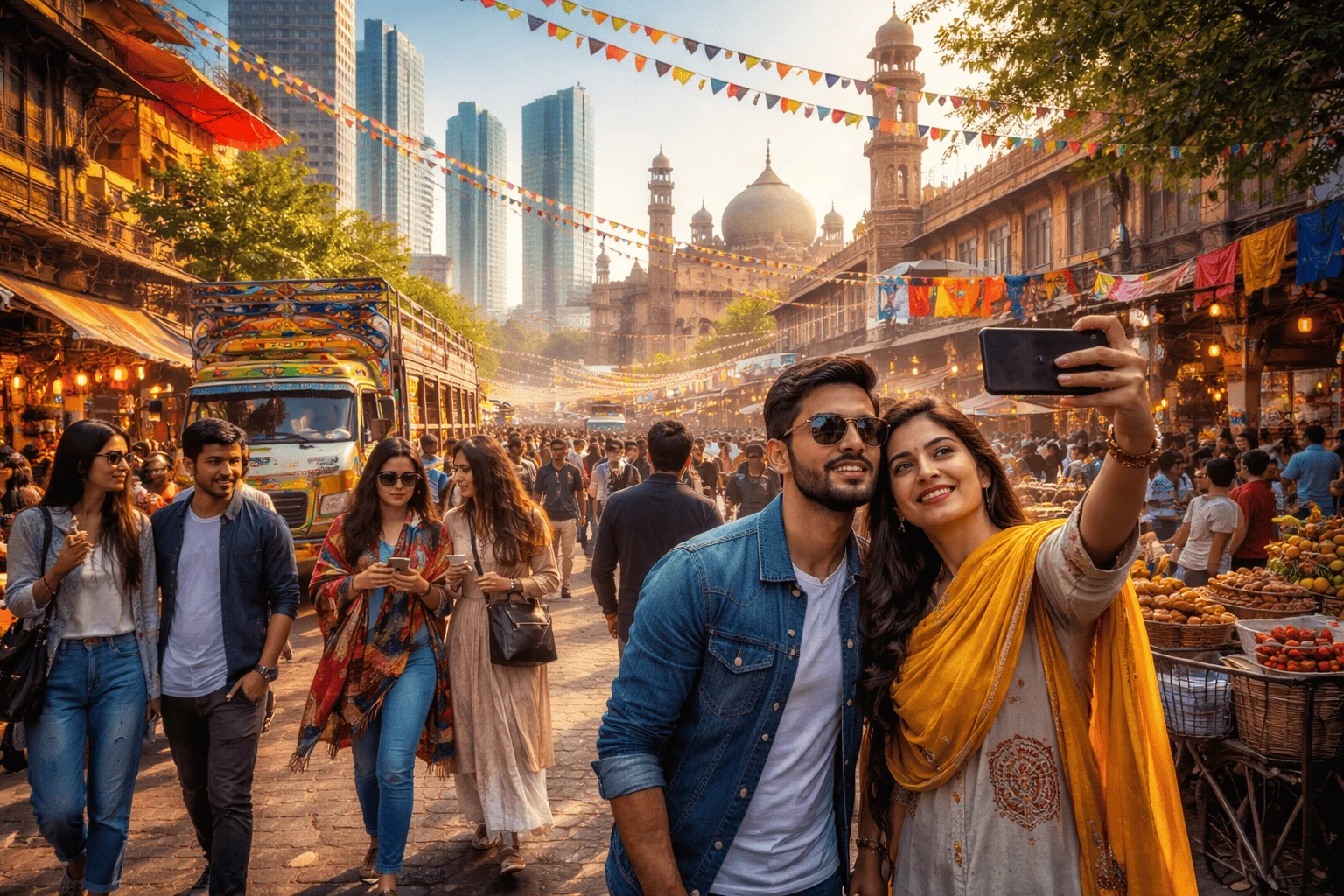
Walk through any major city in Pakistan in 2026, and the shift is impossible to ignore. From the way people dress and speak to how they earn, socialize, and plan their future, everyday life feels noticeably different from just a few years ago. Even casual conversations reflect this change. Topics like freelancing, mental health, side hustles, and personal growth are now part of everyday dialogue.
Cultural change is not new. Pakistan has always evolved. But what makes this moment different is the speed and intensity of that change. What used to take a generation now happens within a few years — sometimes even months.
This rapid transformation is not driven by a single factor. It is the result of multiple forces working together: digital connectivity, youth mindset, global exposure, economic pressure, urbanization, and shifting gender roles.
Rather than disappearing, Pakistani culture is being reshaped. It is becoming more flexible, more layered, and more influenced by both local traditions and global realities.
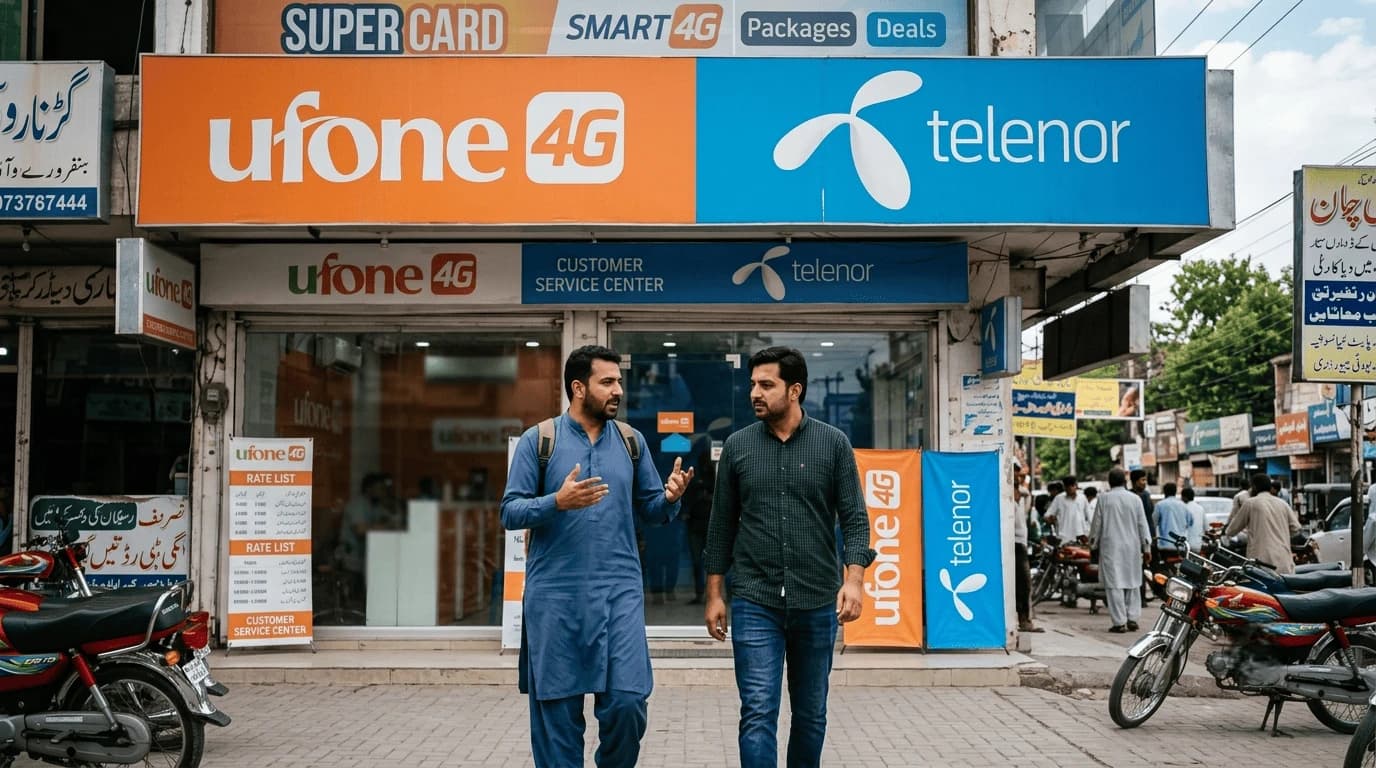
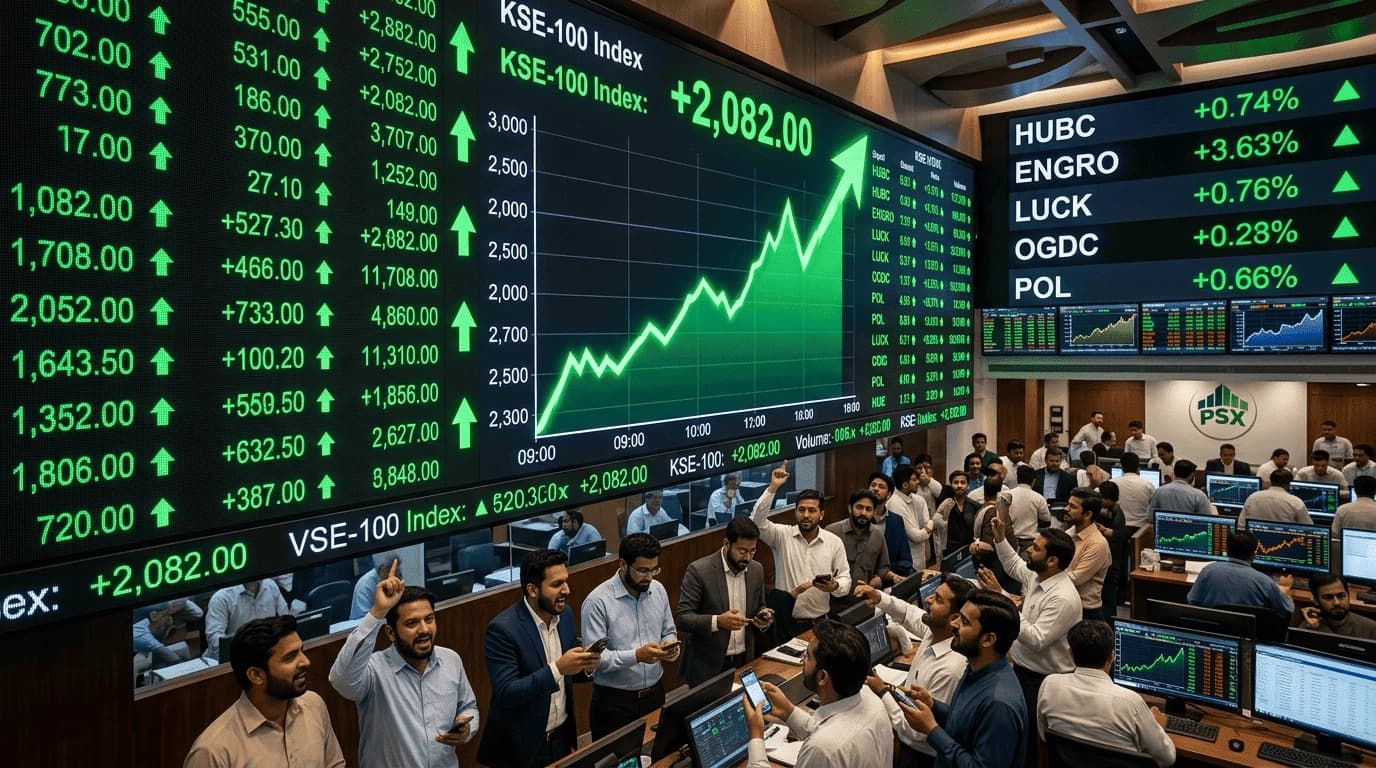
Pakistan’s digital growth has played a central role in accelerating cultural change. With widespread smartphone usage and cheaper internet access, millions of people are now constantly connected.
This connectivity has completely changed how culture spreads:
Trends now move instantly instead of slowly
Social media influences opinions, fashion, and behavior
People in smaller towns are exposed to the same content as urban users
Information is accessible at any time, not limited to TV or print media
What used to be controlled by a few media outlets is now decentralized. Anyone with a phone can influence others.
Content creators are now one of the biggest cultural forces in Pakistan.
TikTok creators set fashion and lifestyle trends
YouTubers influence career choices and public opinion
Instagram shapes aesthetics and personal branding
Unlike traditional celebrities, creators feel relatable. They come from similar backgrounds, speak the same language, and share everyday experiences. This relatability makes their influence stronger and faster.
As a result, culture is no longer fixed. It is constantly evolving in real time — shaped by millions of users every day.
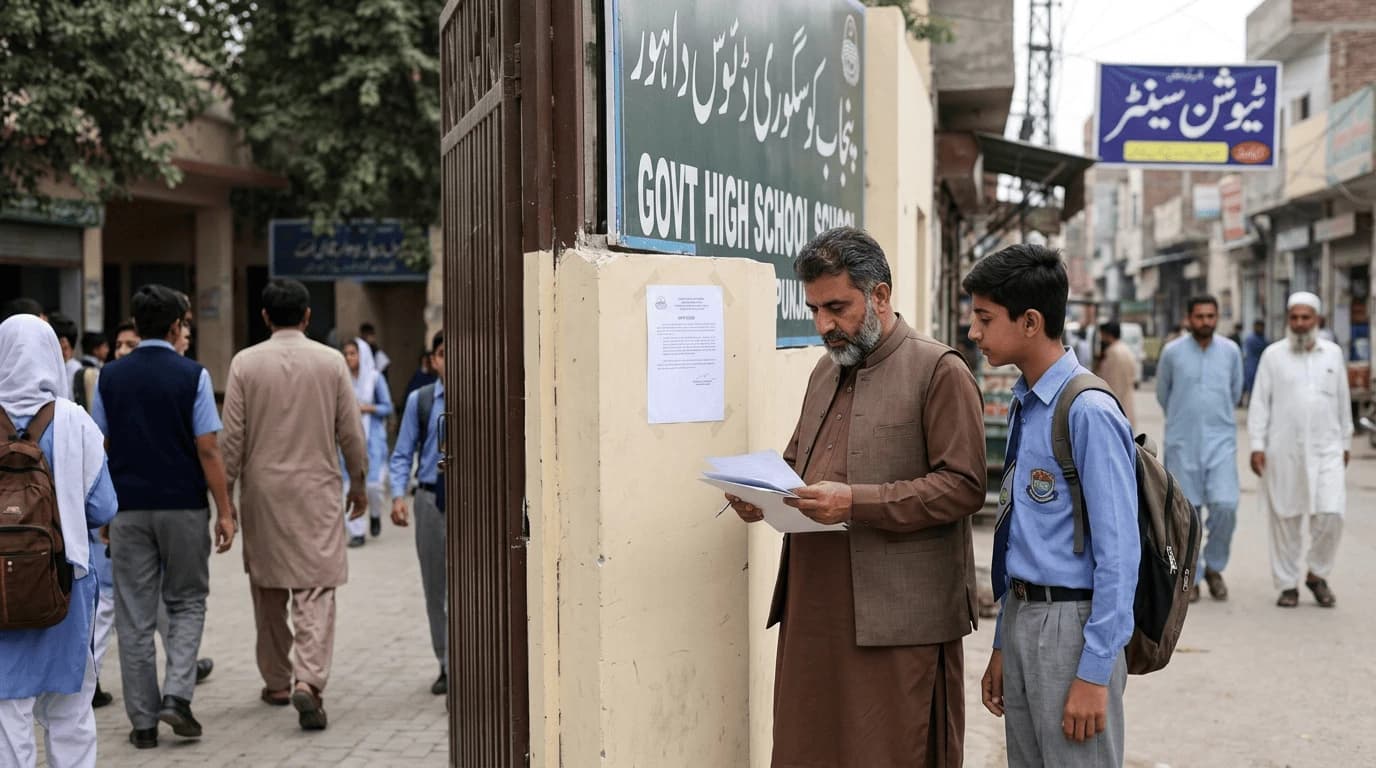
Young Pakistanis are at the center of this transformation. With access to global content and new opportunities, they are thinking differently about life.
Instead of blindly following tradition, many are questioning it — and reshaping it to fit their reality.
Key mindset shifts include:
Expanding career choices beyond traditional professions
Open discussions about mental health and personal boundaries
Greater focus on self-growth and independence
More awareness of global opportunities
The phrase “log kya kahenge” still exists, but its power is fading.
More people are now willing to:
Delay marriage to focus on career or stability
Pursue creative or unconventional careers
Express individuality through fashion and content
Prioritize mental well-being over social expectations
This shift is not uniform across the country, but it is clearly growing — especially among urban youth.
One of the most underrated drivers of cultural change is how Pakistanis earn money.
Freelancing, remote jobs, and online businesses are creating entirely new lifestyles.
Work is no longer tied to a physical office
People have flexible schedules and more control over time
Young individuals are earning earlier than before
Global clients expose workers to different cultures and standards
This shift is redefining success. Instead of chasing job titles, many people now focus on income, flexibility, and independence.
It also changes family dynamics. When a young person starts earning online, families often become more open to non-traditional career paths.
With platforms like YouTube, Netflix, and social media, Pakistanis are constantly exposed to global lifestyles.
This exposure influences:
fashion trends
communication styles
career aspirations
daily habits
People are no longer limited to local role models. They can compare, learn, and adopt ideas from around the world.
This change is often misunderstood as pure Westernization. In reality, it is more of a cultural evolution.
Traditional clothing is styled with modern trends
Local values are adapted rather than abandoned
People blend global ideas with local identity
The result is a hybrid culture — one that reflects both heritage and modern influence.
As more people move to cities, cultural change accelerates naturally.
Urban life offers:
greater independence
exposure to diverse lifestyles
access to better opportunities
faster adoption of trends
Major cities evolve quickly
Smaller towns adapt more gradually
However, this gap is shrinking due to digital access. Even in smaller areas, people are aware of new trends and ideas.
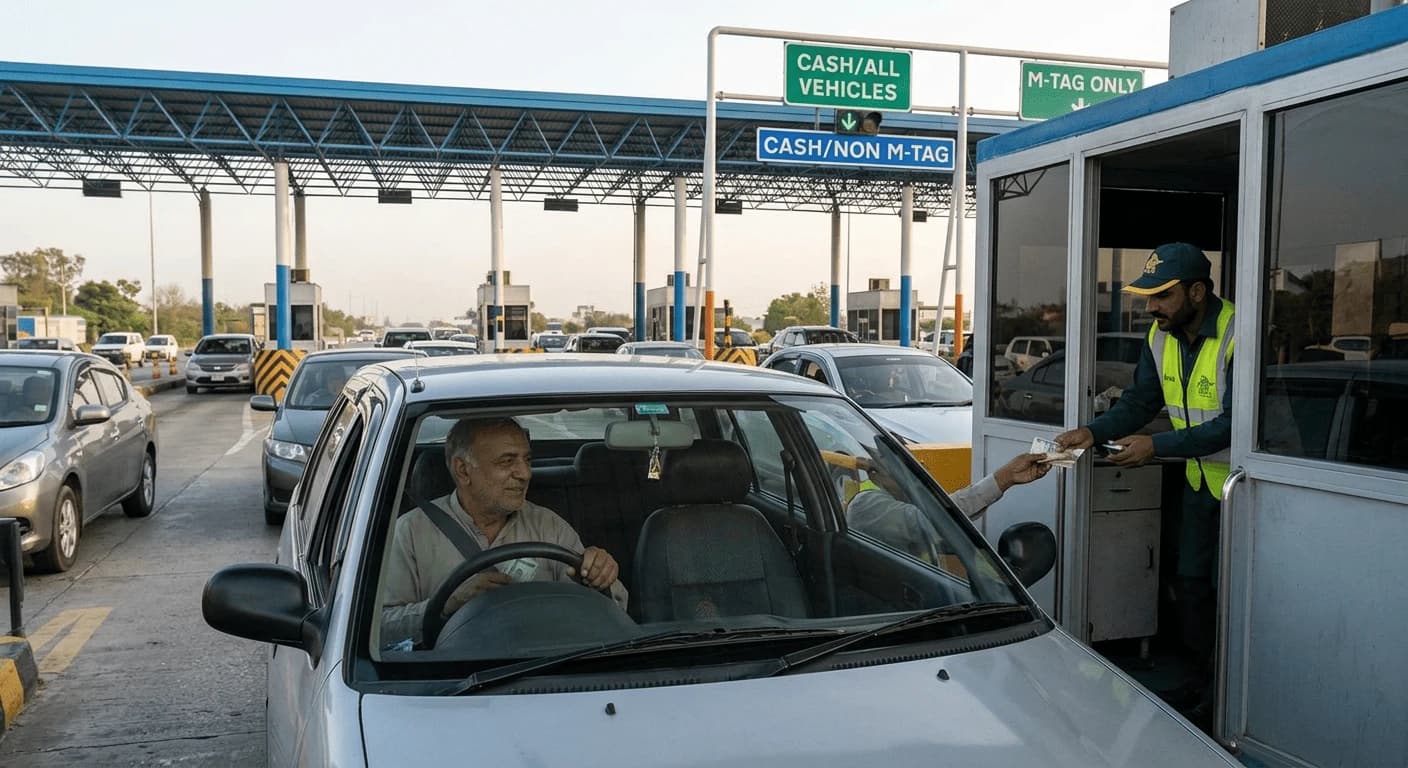
Financial challenges are also playing a major role in reshaping culture.
Rising costs are forcing people to rethink traditions.
Weddings are becoming simpler and more budget-conscious
Dual-income households are increasing
Marriage is being delayed due to financial reasons
Spending decisions are becoming more practical
These changes may start as necessity, but over time they become accepted norms.
The role of women in Pakistan is changing faster than ever.
More women are entering education, careers, and entrepreneurship.
Increased university enrollment
Growth in professional careers
Rise of online businesses run by women
Greater participation in decision-making
This shift is influencing not just households but society as a whole.
| Aspect | Past | 2026 |
|---|---|---|
| Career | Limited options | Global and digital opportunities |
| Influence | Family/community | Social media/global |
| Marriage | Early and structured | Flexible and delayed |
| Lifestyle | Conservative | Mixed and evolving |
| Women’s roles | Limited | Expanding |
| Information access | Restricted | Instant and global |
Pakistani culture is moving toward a hybrid identity.
Tradition and modern life will coexist
Cultural change will continue at different speeds
Technology will remain the biggest driver
At the same time, core values like family and identity will remain strong — but in adapted forms.
Pakistani culture in 2026 is changing faster than ever because multiple forces are shaping it at the same time.
Digital growth, youth mindset, economic pressure, and global exposure are all pushing society forward.
But this is not the end of tradition.
It is a transformation — one where Pakistan is redefining its identity while staying connected to its roots.
Pakistani culture is changing rapidly due to widespread internet access, social media influence, global exposure, and economic shifts. These factors are all happening at the same time, which accelerates the pace of change.
Not entirely. While Western influence is visible, most changes are a blend of local traditions and global ideas. It’s more accurate to describe it as cultural evolution rather than complete Westernization.
Social media spreads trends quickly, shapes opinions, and introduces new lifestyles. It also gives individuals the power to influence others, making culture more dynamic and fast-moving.
Young people are the main drivers of change. They are more exposed to global ideas, more open to new experiences, and more willing to challenge traditional norms.
No, traditional values are not disappearing. They are adapting. Family, religion, and community still play a strong role, but people are finding new ways to balance them with modern life.
Rising costs and financial pressure are leading to practical decisions like simpler weddings, dual incomes, and delayed marriages. Over time, these changes become part of culture.

I am Zeenat, an SEO Specialist and Content Writer specializing in on-page and off-page SEO to improve website visibility, user experience, and performance.
I optimize website content, meta elements, and site structure, and implement effective off-page SEO strategies, including link building and authority development. Through keyword research and performance analysis, I drive targeted organic traffic and improve search rankings.
I create high-quality, search-optimized content using data-driven, white-hat SEO practices, focused on delivering sustainable, long-term growth and improved online visibility.
Eid-ul-Adha is one of the most meaningful celebrations in the Islamic calendar, observed by mil
16 May 2026
Eid-ul-Adha is one of the most important religious festivals celebrated by Muslims around the world.
14 May 2026
In 2026, Pakistan is in the midst of a Digital Renaissance, where technology is reshaping creat
20 February 2026
Be the first to share your thoughts
No comments yet. Be the first to comment!
Share your thoughts and join the discussion below.