* All product/brand names, logos, and trademarks are property of their respective owners.
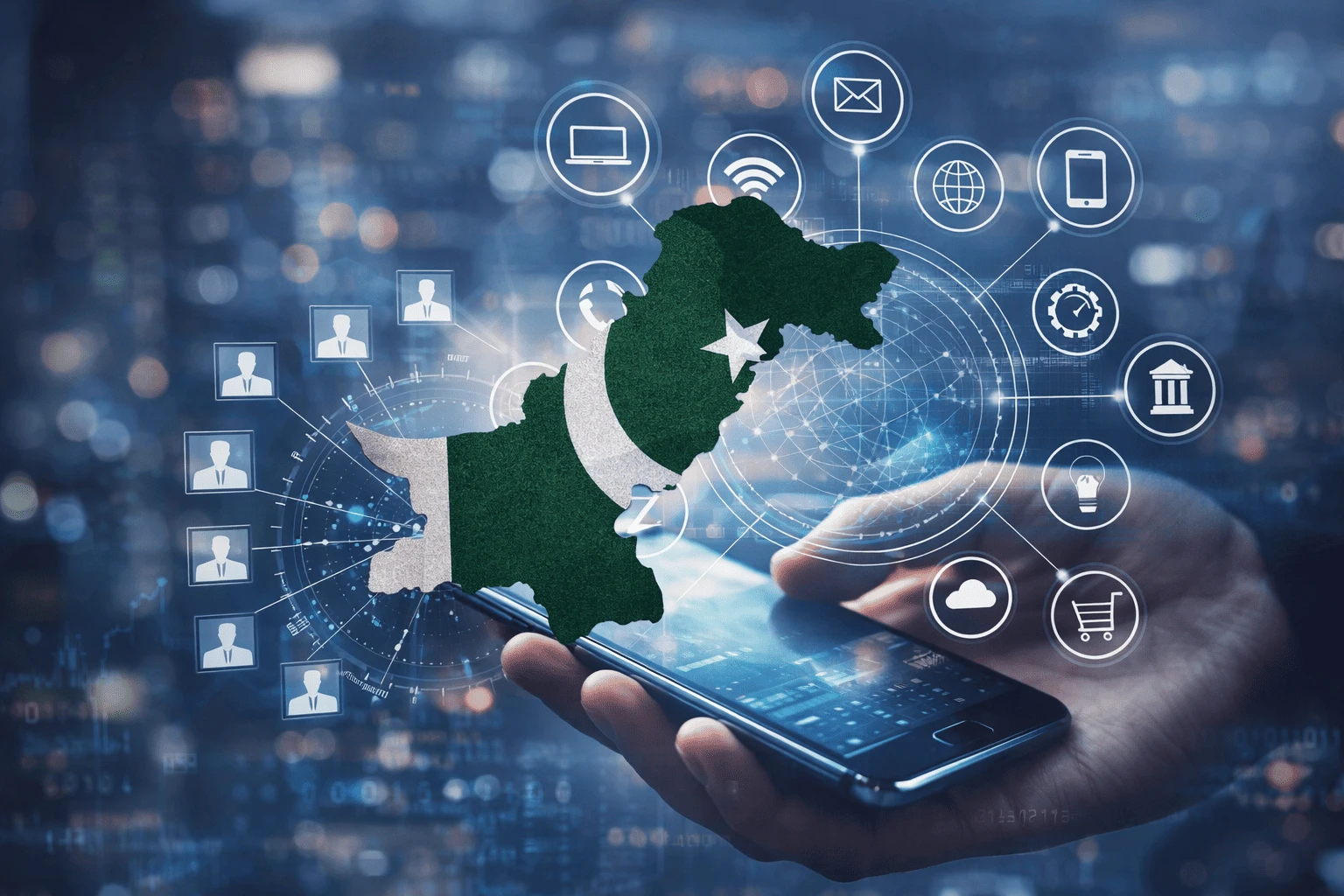
In 2026, Pakistan is in the midst of a Digital Renaissance, where technology is reshaping creativity, cultural expression, and everyday life. From vibrant truck art and Sufi music to bridal fashion and charitable traditions, digital tools are redefining how culture is created, shared, and preserved.
For decades, much of Pakistani culture was rooted in physical spaces: galleries, studios, bazaars, and historic sites. Today, digital platforms and emerging technologies allow art, music, fashion, and heritage to transcend local boundaries, connecting creators and audiences nationally and globally. This transformation is happening beyond major cities - artists, musicians, designers, and everyday citizens from small towns are leveraging technology to showcase creativity, preserve tradition, and engage with the world.
The exciting part? This shift blends modern innovation with traditional roots, making Pakistani culture more dynamic than ever. Let’s explore how technology is shaping art, music, fashion, heritage, and daily cultural practices in Pakistan.
Pakistan has always celebrated artistic expression, from intricate miniature paintings and calligraphy to colorful truck art. In 2026, art is no longer confined to physical spaces; it exists both in tangible forms and digital realms.

The concept of “phygital” art - art that exists both physically and digitally is gaining traction. Platforms like ArtDivvy allow audiences to explore virtual galleries in immersive 3D. A miniature painting displayed in Lahore can now be experienced by someone in Toronto or London without stepping into a gallery.
This shift has fueled interest in digital art and NFTs. Artists can sell digital ownership of their work, engage directly with buyers, and reach the global diaspora without relying on traditional gatekeepers. Digital platforms have turned art into a borderless, interactive experience, where the audience is no longer passive but part of the creative ecosystem.
Truck art has long symbolized Pakistan’s creativity, but today, artists are reimagining it digitally. AI tools can deconstruct traditional patterns, recombining colors and motifs into generative digital assets for online merchandise, gaming skins, and fashion collaborations. This is an example of heritage being reinvented for the digital age, keeping it alive while reaching audiences worldwide.
Instagram, TikTok, and YouTube act as exhibition spaces for emerging artists. Digital illustrators, calligraphers, and sketch artists from small towns are building loyal followings online. Technology has made art more democratic, accessible, and interactive, allowing even those outside major cities to showcase their talent to global audiences.
Music in Pakistan has always been a connector, bridging diverse regions and traditions. Today, technology amplifies this connection, transforming production, distribution, and listening habits.
Coke Studio introduced Pakistani music to global audiences, and now streaming platforms like Spotify and YouTube continue the legacy. Independent artists can release songs without needing record labels, earning revenue and exposure through global platforms. AI-curated playlists such as “Ghazal & Chill” bring traditional folk, Sufi, and ghazal music to a new generation, blending heritage with modern tastes.
Music production is no longer confined to professional studios. Affordable software and AI-powered writing tools for Urdu and regional languages allow artists to compose, arrange, and experiment from home. Sufi poetry is now fused with electronic and lo-fi beats, creating a sound that bridges tradition and innovation.
Artists like emerging Lahore-based producers are using AI-assisted music generation to remix folk melodies digitally, making it easier to experiment and distribute globally.
Some musicians are exploring Web3 platforms to sell digital collectibles and social tokens. Fans can now invest in an artist’s journey, supporting creativity directly and creating community-backed music ecosystems. This is reshaping the industry, giving independent artists more control and fostering a closer connection with their audience.
Fashion in Pakistan is deeply cultural, tied to weddings, festivals, and seasonal collections. In 2026, AI and AR are transforming how people shop, dress, and express identity.

Brands like Khaadi and Sana Safinaz offer AR filters to let customers virtually try on outfits. Whether preparing for a winter wedding in Lahore or shopping for Eid, users can preview styles through their phone cameras. This boosts confidence, reduces returns, and increases access for customers in smaller cities, democratizing fashion consumption.
AI-powered marketing tools suggest complete outfit combinations, from clothing to accessories, based on search patterns. If someone searches for bridal attire, AI can recommend shoes, jewelry, and matching scarves. This personalized shopping experience strengthens the digital fashion economy and helps brands anticipate trends while remaining connected to cultural identity.
Technology is not only creating new culture—it is preserving Pakistan’s rich heritage.
Projects like the Lahore Fort Digital Twin use 3D scanning to create accurate virtual replicas of heritage sites. These digital twins support conservation and make historical spaces accessible to students, researchers, and virtual tourists worldwide. Virtual museums are helping preserve Pakistan’s legacy, ensuring that culture survives in the digital age.
AI-powered OCR tools are digitizing rare Urdu and Persian manuscripts, making them searchable and accessible globally. Libraries and startups are using these tools to preserve literary heritage, protect fragile manuscripts, and support research in humanities. Digital archiving ensures that centuries-old texts remain relevant for new generations.
Technology is also transforming daily cultural practices, including charitable giving. Government relief programs and platforms like Raast and EasyPaisa have normalized digital transactions for traditions such as Eidi, Sadqah, and Ramadan donations. This shift blends tradition with convenience: elders can send gifts digitally, communities can donate efficiently, and charitable initiatives become traceable without losing the cultural and spiritual essence. Technology ensures that generosity remains fast, secure, and culturally meaningful.
Pakistan’s Digital Renaissance shows that technology does not erase culture—it amplifies and transforms it. From AI-generated art and streaming music to AR fashion and digital heritage preservation, innovation expands how culture is expressed, shared, and experienced. Tradition and technology are no longer opposites—they are collaborators. As Pakistan continues to embrace digital tools, the opportunity lies in balance: preserve identity, empower creativity, and connect globally. The question is no longer whether technology will shape culture, but how creatively Pakistan will continue to leverage it.
Related Article
How Social Media Is Changing Lifestyles and Daily Life in Pakistan

Mushraf Baig is a content writer and digital publishing specialist focused on data-driven topics, monetization strategies, and emerging technology trends. With experience creating in-depth, research-backed articles, He helps readers understand complex subjects such as analytics, advertising platforms, and digital growth strategies in clear, practical terms.
When not writing, He explores content optimization techniques, publishing workflows, and ways to improve reader experience through structured, high-quality content.
Eid-ul-Adha is one of the most meaningful celebrations in the Islamic calendar, observed by mil
16 May 2026
Eid-ul-Adha is one of the most important religious festivals celebrated by Muslims around the world.
14 May 2026
Walk through any major city in Pakistan in 2026, and the shift is impossible to ignore. From the way
14 April 2026
Be the first to share your thoughts
No comments yet. Be the first to comment!
Share your thoughts and join the discussion below.