* All product/brand names, logos, and trademarks are property of their respective owners.
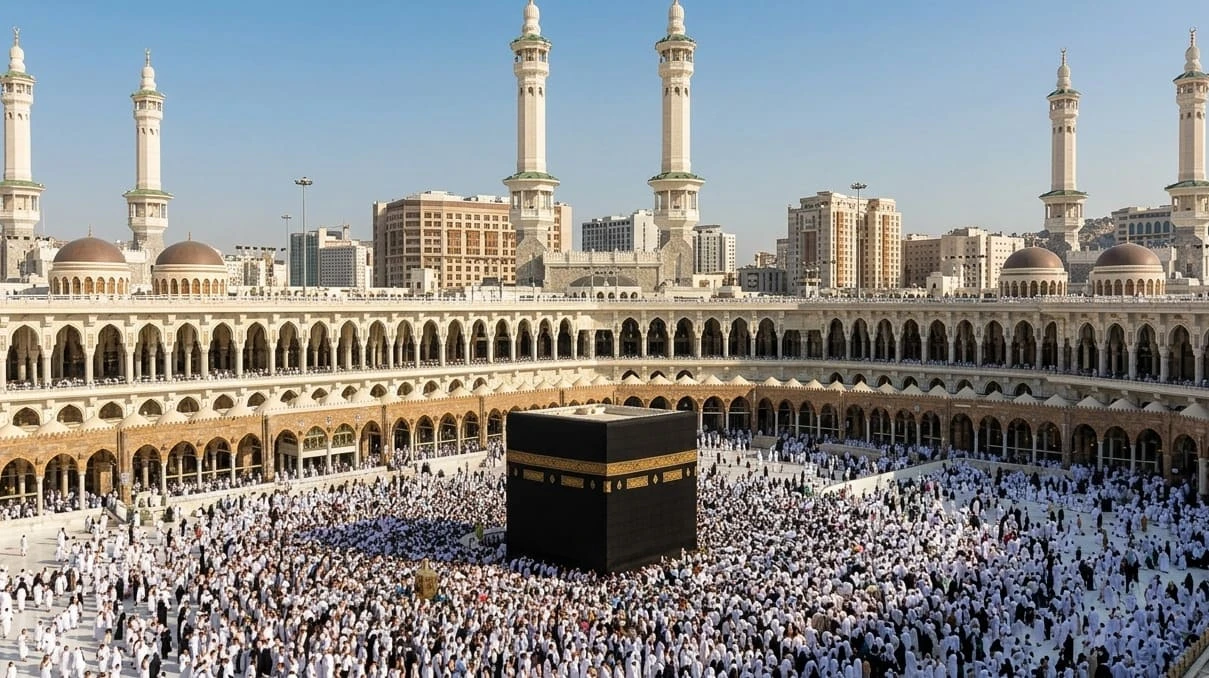
Hajj 2026 has become one of the largest religious gatherings in modern history, bringing millions of Muslims to the holy city of Makkah for the annual Islamic pilgrimage. The pilgrimage officially took place from May 25 to May 29, with Saudi authorities expecting total participation to exceed 2.5 million worshippers.
By late May, over 1.5 million foreign pilgrims had already arrived in Saudi Arabia, while thousands of domestic pilgrims joined from across the Kingdom. According to the Ministry of Hajj and Umrah, around 1.8 million e-visas were issued ahead of the pilgrimage season, making this year one of the busiest Hajj operations ever managed.
Key Highlights of Hajj 2026:
Pilgrims traveled from more than 160 countries, with the majority arriving by air. Large contingents came from South Asia, the Middle East, and North Africa, reflecting the truly global nature of Hajj 2026. Airports, hotels, transport systems, and holy sites operated around the clock to manage the enormous flow of visitors entering Makkah and nearby sacred locations.
Throughout the five-day pilgrimage, worshippers performed a series of important Islamic rituals, including Tawaf around the Kaaba, prayers at Mount Arafat, overnight stays in Muzdalifah, and the symbolic stoning ritual in Mina. Millions of pilgrims dressed in simple white garments moved together through the holy sites, creating powerful scenes of unity and devotion.
The Day of Arafat remained one of the most emotional moments of the pilgrimage, as pilgrims gathered for prayers and reflection. For many Muslims, completing Hajj represents the fulfillment of a lifelong spiritual goal. Families traveled together, elderly worshippers completed years of preparation, and first-time pilgrims experienced the emotional atmosphere of standing among millions united in faith.
Managing a gathering of this size requires extensive planning and advanced infrastructure. Saudi authorities introduced large-scale crowd management systems, digital monitoring tools, and expanded transportation services to ensure smooth movement between the holy sites.
Due to soaring temperatures across the region, officials also focused heavily on heat protection measures during Hajj 2026. Advanced urban cooling systems were installed across key pilgrimage routes, including mist-spraying poles covering nearly ten kilometers. Authorities also expanded shaded areas in Mina and Jabal al-Rahmah to help reduce heat exposure for worshippers.
Medical teams, emergency response units, hydration stations, and thousands of volunteers were positioned throughout the pilgrimage areas to assist pilgrims throughout the journey.
Hajj 2026 once again demonstrated the global reach and spiritual significance of Islam. Despite differences in language, nationality, and culture, millions gathered in Makkah with the same purpose of worship and prayer. As the pilgrimage concludes, Hajj 2026 will be remembered not only for its historic scale but also for the unity, organization, and spiritual devotion displayed during one of the world’s largest annual gatherings.

Feroza Arshad is a writer and content creator covering a range of subjects including news and current affairs, automobiles, sports, technology and coding, digital marketing, and Google and search trends. Her work appears across several blogs and publications. She focuses on clear, well-researched, and genuinely useful writing — breaking down developments, reviewing products, and explaining technical topics in plain language anyone can follow.
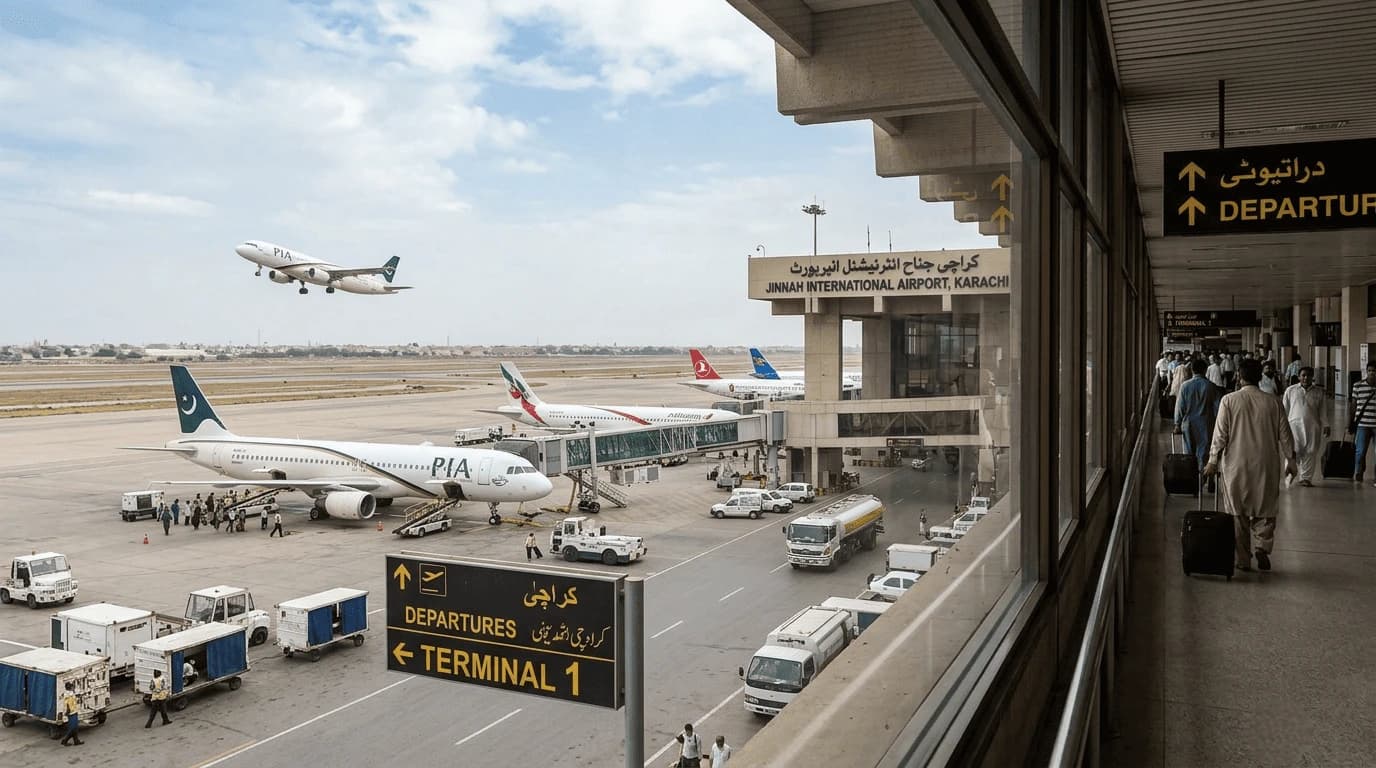
Pakistan has moved three major international airports into its airport outsourcing and privatisation
7 July 2026
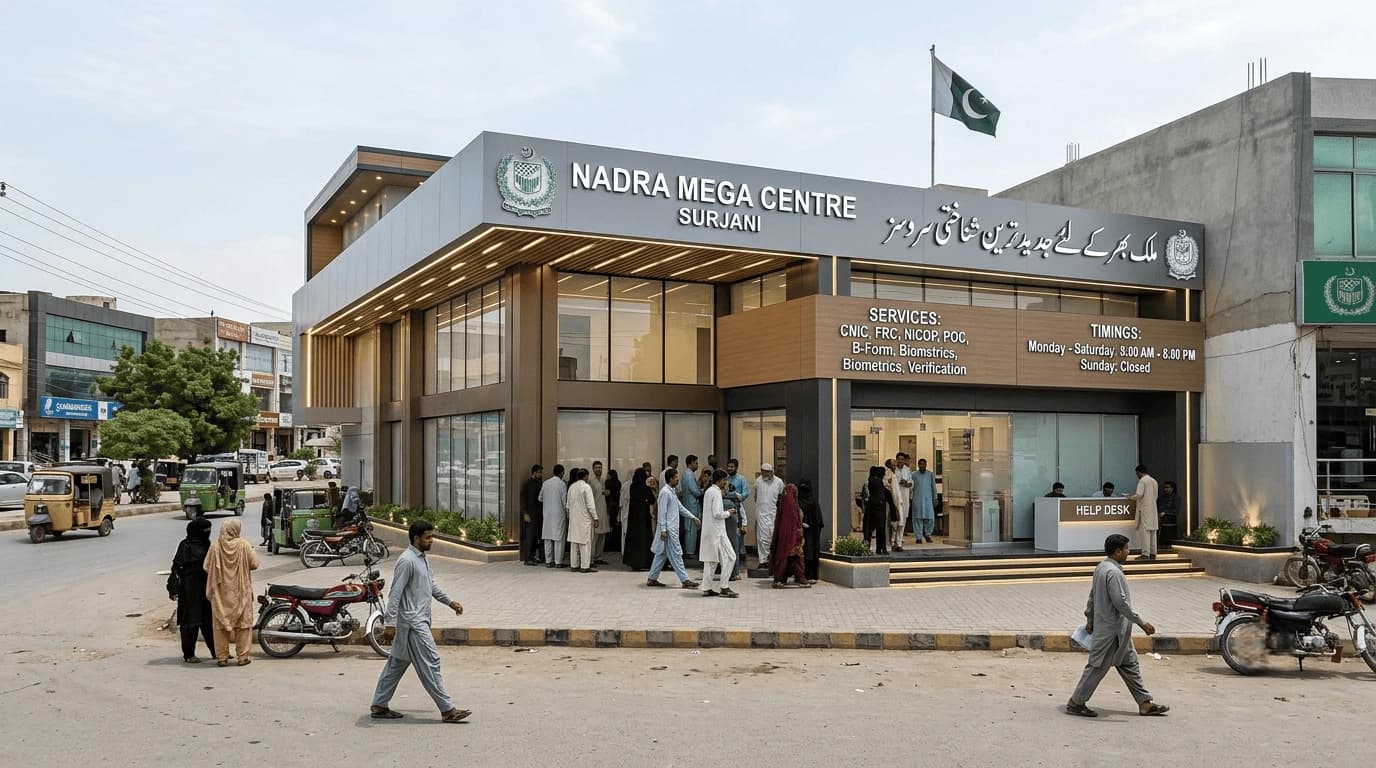
Karachi’s Surjani area has received a new NADRA Mega Centre aimed at improving access to ident
7 July 2026
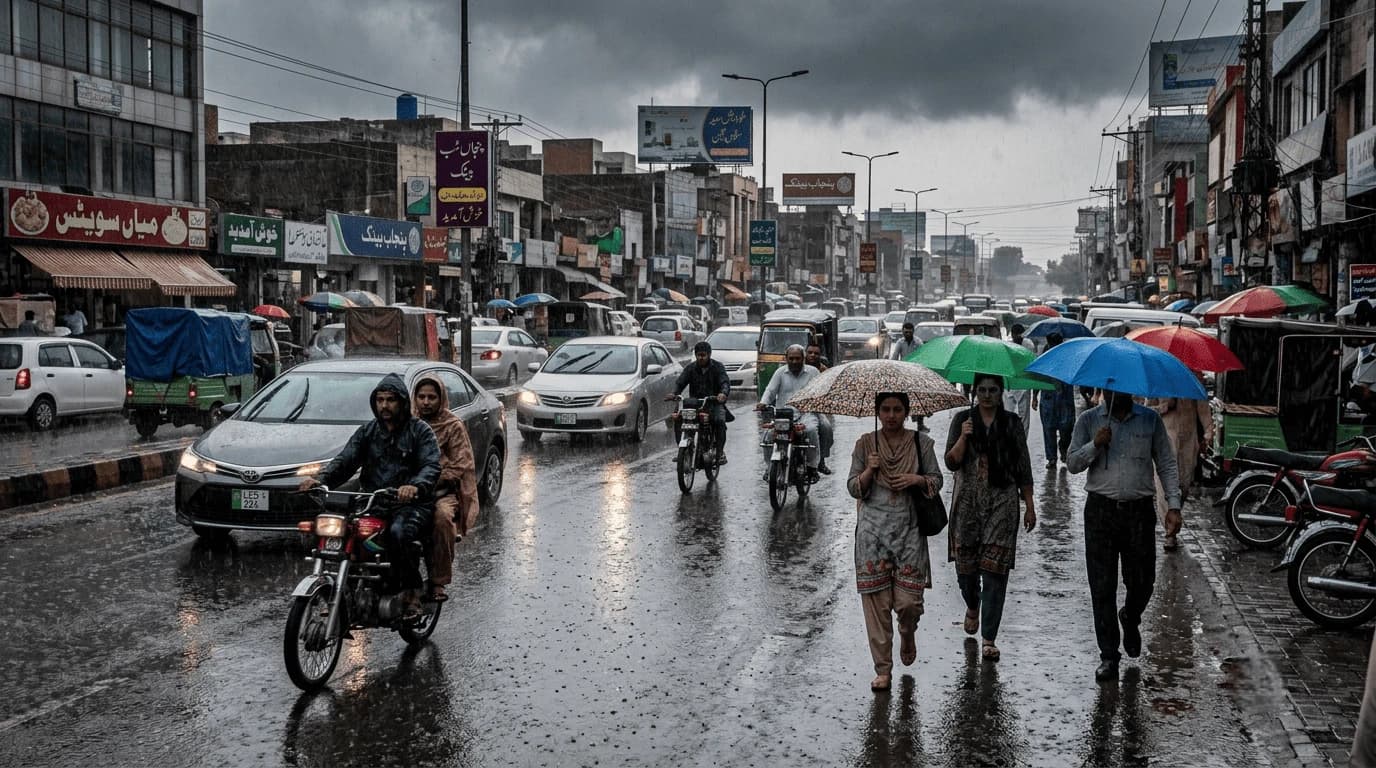
LAHORE: The Provincial Disaster Management Authority Punjab has issued a rain alert as showers, wind
7 July 2026
Be the first to share your thoughts
No comments yet. Be the first to comment!
Share your thoughts and join the discussion below.