* All product/brand names, logos, and trademarks are property of their respective owners.
Pakistan’s Budget 2026-27 has introduced major tax changes for the auto sector, with imported vehicles, luxury SUVs, electric vehicles and Islamabad-registered cars among the key areas affected.
The biggest impact is expected on high-end imported vehicles. Under the Finance Bill 2026-27, Federal Excise Duty has been proposed for imported vehicles above 2000cc. Vehicles between 2001cc and 3000cc will face 40% FED, while vehicles above 3000cc will face 41% FED.
This move is likely to push up the cost of premium imported cars and SUVs, especially for buyers already dealing with customs duties, sales tax, registration charges and rising exchange-rate pressure.
For regular buyers, smaller vehicles are relatively less exposed to the new FED structure. However, the overall market may still feel indirect pressure if import costs, dealer margins or supply-chain expenses rise.
A separate change affects token tax in Islamabad Capital Territory. The Finance Bill revises token tax on motor vehicles registered in ICT, with vehicles up to 1000cc placed under a fixed Rs. 20,000 category. Higher categories are linked to invoice value, meaning more expensive vehicles will carry a heavier annual tax burden.
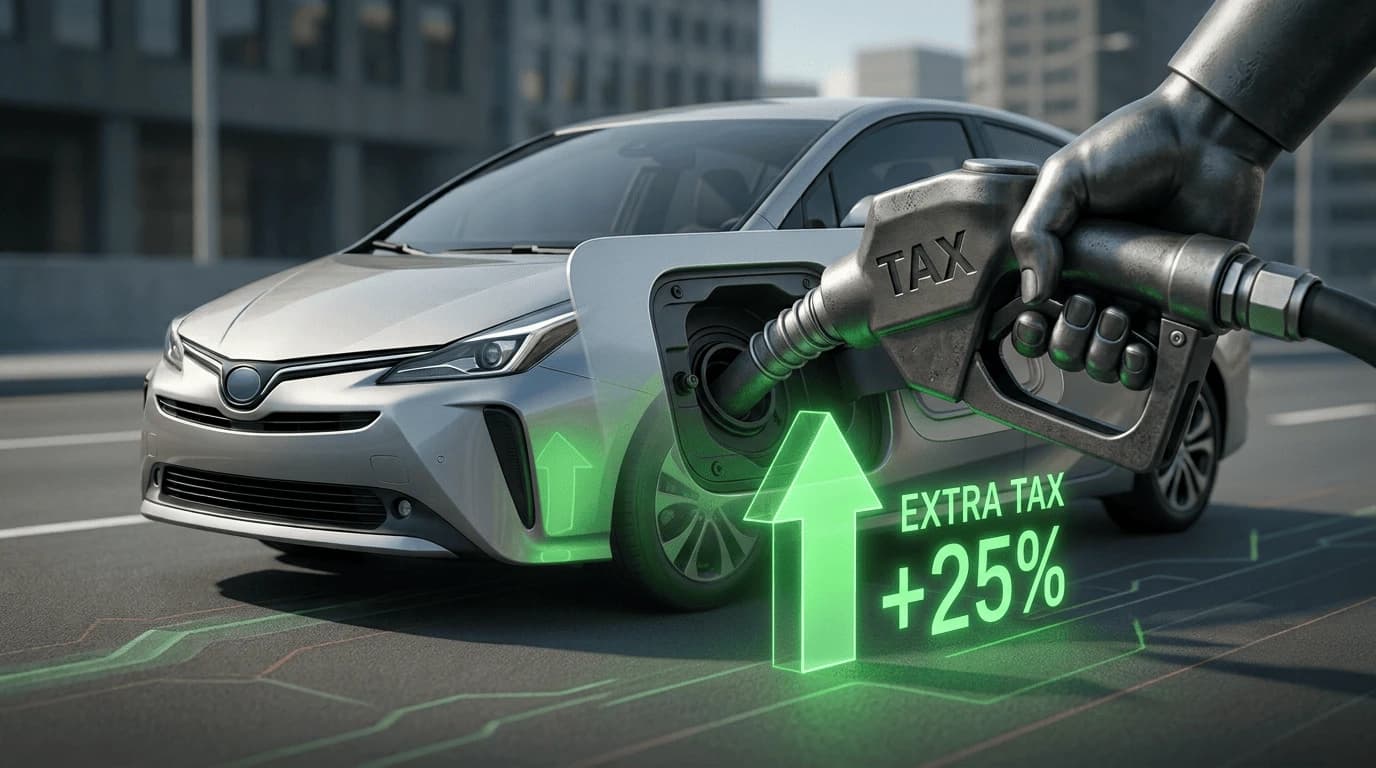
Electric vehicles remain a key focus. Four-wheeler EVs are still included in the imported vehicle duty framework until June 30, 2027, while existing concessions for electric motorcycles, rickshaws and buses are expected to continue. This suggests the government is still encouraging mass-market electrification, but not necessarily giving the same protection to luxury imported EVs.
For Pakistan’s auto industry, the budget creates a clear split. Locally assembled and smaller vehicles may become more attractive for price-conscious buyers, while imported luxury vehicles could see demand soften due to higher taxation.
Auto dealers may also face slower movement in the premium import segment as buyers reassess total ownership costs. At the same time, local assemblers could benefit if consumers shift toward locally available options.
The budget’s overall direction appears focused on increasing revenue from expensive imported vehicles while keeping some space for smaller cars and practical electric mobility. However, final market impact will depend on implementation, exchange rates, dealer pricing and any further clarifications from tax authorities.
| Area | Budget 2026-27 Change |
|---|---|
| Imported vehicles 2001cc–3000cc | 40% FED proposed |
| Imported vehicles above 3000cc | 41% FED proposed |
| ICT token tax up to 1000cc | Fixed at Rs. 20,000 |
| Higher ICT vehicle categories | Linked to invoice value |
| Four-wheeler EVs | Included in duty framework until June 30, 2027 |
| Electric bikes, rickshaws and buses | Existing concessions expected to continue |
Read More
Federal Excise Duty Added on Imported Vehicles in Budget 2026-27

Hi, I’m Ahmed, a professional content writer and SEO specialist. I help businesses, brands, and websites create clear, engaging, and search-friendly content that attracts the right audience and drives results.
With a strong understanding of SEO, keyword research, blog writing, website content, and content strategy, I craft content that is not only well-written but also optimized to perform on search engines. My goal is to turn ideas into powerful words that build trust, improve visibility, and support business growth.
Whether you need blog posts, website copy, product descriptions, SEO articles, or content optimization, I can help create content that connects with readers and supports your online goals.
Pakistan’s hybrid car market is facing fresh price pressure after Budget 2026-27, as tax conce
7 July 2026
Pakistan’s electric vehicle market is becoming more important as fuel prices, import costs and
1 July 2026
Car prices in Pakistan have been a major concern for buyers for years. High duties, taxes, exchange
30 June 2026
Be the first to share your thoughts
No comments yet. Be the first to comment!
Share your thoughts and join the discussion below.