.webp)
* All product/brand names, logos, and trademarks are property of their respective owners.
Education is one of the most powerful tools for change — yet millions of girls around the world are still denied this basic right. While global awareness has grown and progress has been made, barriers like poverty, tradition, and lack of infrastructure continue to prevent girls from accessing quality education. So, why does girls’ education matter?
Educating girls transforms families, communities, and nations. According to UNESCO, each additional year of schooling increases a woman’s income by up to 20%. Educated women are healthier, more likely to invest in their children’s education, and play active roles in the workforce and society. In Pakistan, the challenge is urgent. Nearly 12 million school-age girls remain out of school, especially in rural areas. Cultural expectations, early marriage, and limited school access are among the top reasons. To truly move forward as a nation and as a global community, we must confront these issues, recognize progress, and invest in long-term solutions.

When a girl is educated, her entire community benefits. She earns more, marries later, and raises healthier children. A study by the World Bank shows that closing gender gaps in education could boost global GDP by $12 trillion. Educated women break the cycle of poverty and lead change in their societies. Education also improves health outcomes. Each year of schooling helps reduce child mortality and increase life expectancy. These are not just benefits for individuals, but long-term gains for entire nations.
Education is more than just learning; it’s a gateway to empowerment, especially for girls. When girls have access to quality education, they acquire the knowledge, confidence, and skills necessary to challenge traditional gender roles, make informed decisions about their lives, and assume leadership positions. It gives them a voice in communities where they might otherwise be ignored.
Unfortunately, in many parts of the world, girls are still kept out of school. That sends a stark message: their opinions, dreams, and potential don’t matter. But investing in education changes everything. It signals that girls deserve the same opportunities as boys, that their ideas are valuable, and that their futures are worth shaping. By prioritizing education for all, we don’t just teach subjects—we build equality, break cycles of discrimination, and empower the next generation of women to create meaningful change.
In many regions, especially rural South Asia and Africa, traditions often dictate a girl’s life path. Early marriage, domestic responsibilities, and gender norms keep girls out of school. Families may fear backlash from the community or worry about safety if schools are far from home.
In Pakistan, societal expectations often push girls toward early adulthood responsibilities, not education. Until these cultural perceptions shift, millions of girls will remain excluded from learning.
Poverty plays a huge role. For low-income families, sending boys to school is often prioritized. The costs of uniforms, books, and transport — even in “free” schools — can be too high.
On the institutional side, schools in many rural areas lack basic facilities like clean water, toilets, or female staff. Without safe and supportive learning environments, girls are less likely to attend or stay in school.
In conflict zones, education is often disrupted. Girls face increased risks of violence, exploitation, and being pulled out of school to help at home. Even in peaceful areas, unsafe routes to school or fear of harassment keep girls away.
When schools aren’t safe, girls stay home. Addressing security and protection is critical to making education accessible for all.
Despite these challenges, there has been measurable progress. Global female literacy and school enrollment rates have steadily improved in recent years. Countries like Bangladesh have reduced gender disparities in primary education through scholarships and awareness campaigns. In Kenya, the provision of free sanitary pads in schools has decreased absenteeism. In Ethiopia, community-based programs have helped reduce early marriages, increasing girls’ chances of finishing school.
These stories show that targeted, well-funded programs can make a huge difference.
Pakistan has made some progress. Urban areas are seeing more girls in schools, and national campaigns are highlighting the importance of girls’ education. Organizations like Malala Fund and TCF are making a real impact at the grassroots level.
Still, the gaps are clear. Rural areas remain underserved. According to the Pakistan Bureau of Statistics, more than 30% of girls aged 5–16 are not in school. Teacher shortages, poor infrastructure, and outdated curricula make things worse.
To move forward, we need action from both the top and bottom.
At the policy level:
Increase education budgets, especially for girls
Hire more female teachers
Improve infrastructure — toilets, transport, safe classrooms
Enforce laws that discourage early marriage
At the community level:
Run awareness campaigns to change mindsets
Support programs that provide books, uniforms, and meals
Train local women as mentors and educators
Leverage mobile tech and digital learning for remote regions
Together, these efforts can help bridge the education gap and create real, lasting change.

The case for girls’ education is clear. It improves health, drives economies, and builds stronger societies. Yet millions of girls are still waiting for the opportunity to learn — simply because of where they were born, how much money their parents make, or the traditions they’re born into. While progress is being made, we must go further. That means challenging harmful norms, improving school systems, and pushing for policies that prioritize girls’ futures. It’s not enough to say that education is important — we must act on it.
If we want to see real change in our world, we must continue to support girls’ education at every level. That means donating, mentoring, speaking out, and voting for leaders who invest in education. Because when one girl gets an education, she doesn’t just change her life — she changes the world around her.
Also Read

Mushraf Baig is a content writer and digital publishing specialist focused on data-driven topics, monetization strategies, and emerging technology trends. With experience creating in-depth, research-backed articles, He helps readers understand complex subjects such as analytics, advertising platforms, and digital growth strategies in clear, practical terms.
When not writing, He explores content optimization techniques, publishing workflows, and ways to improve reader experience through structured, high-quality content.
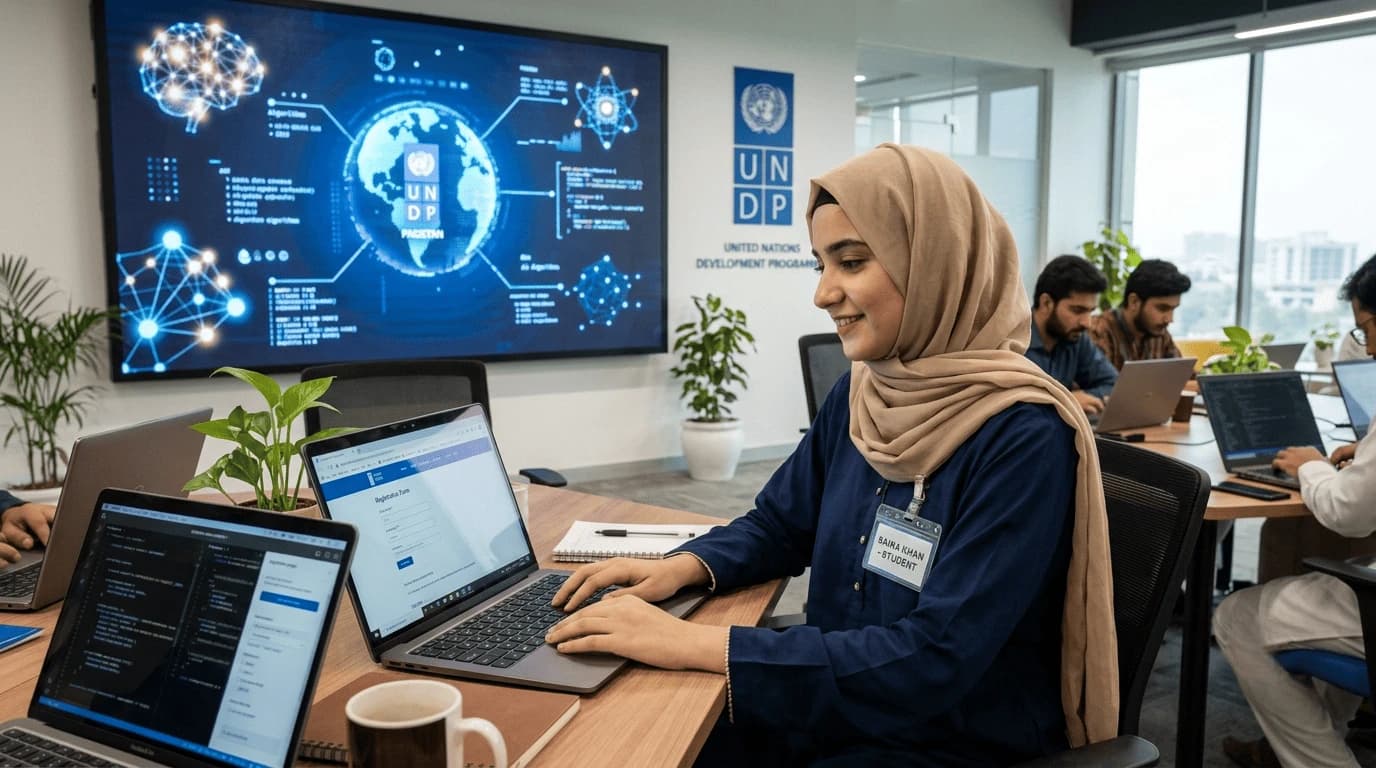
Pakistani students and recent graduates can now apply for the UNDP Digital, AI and Innovation Intern
7 July 2026
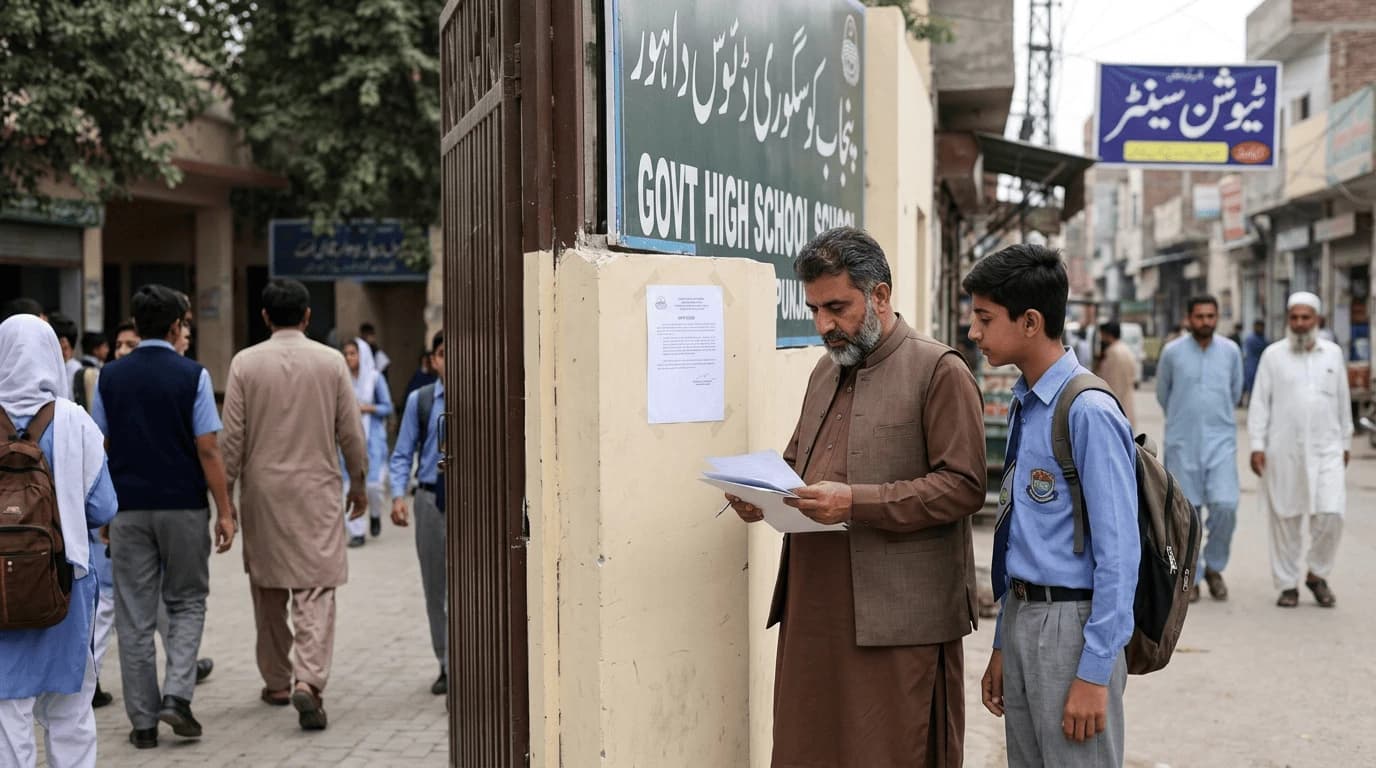
Lahore: The Punjab government has clarified that all tuition centres in the province are not being c
7 July 2026
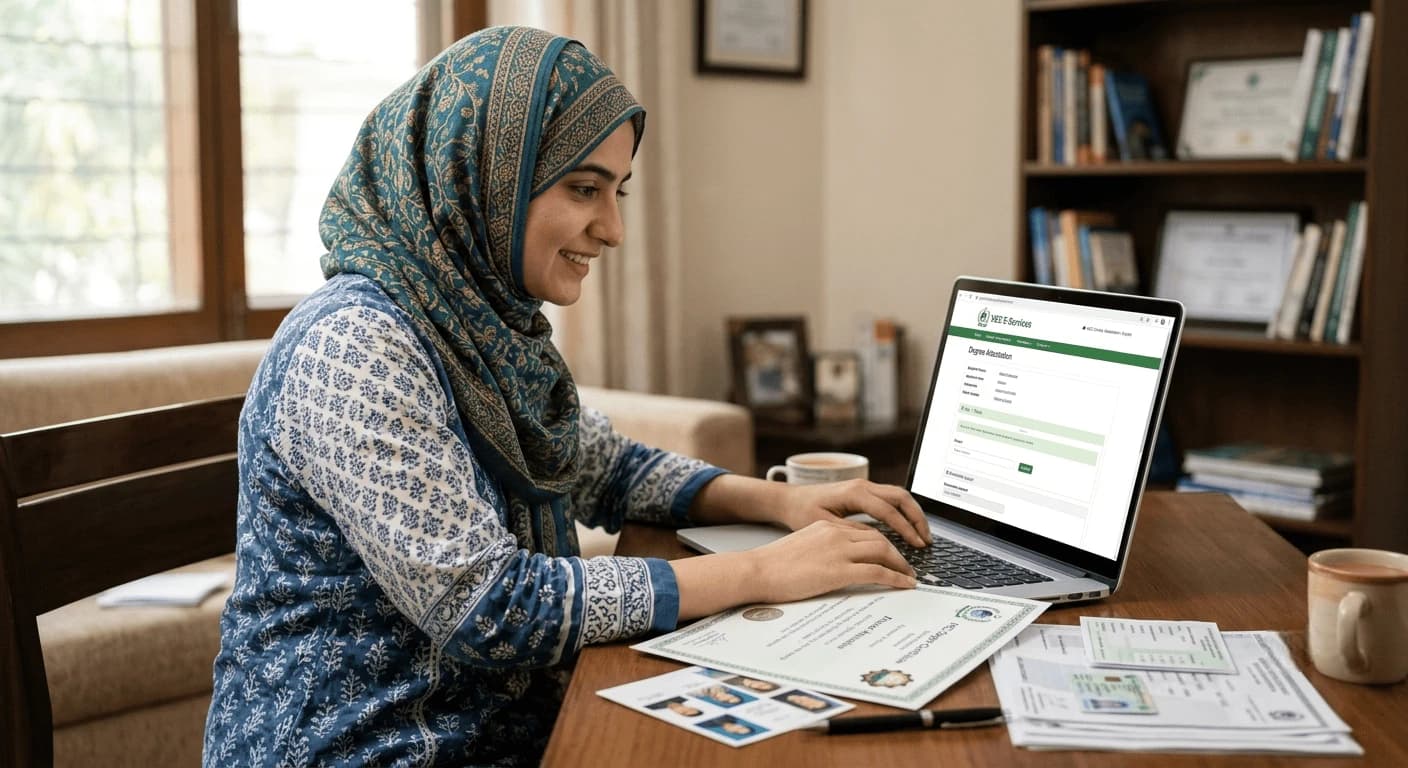
The Higher Education Commission (HEC) of Pakistan has streamlined the degree attestation process by
1 July 2026
Be the first to share your thoughts
No comments yet. Be the first to comment!
Share your thoughts and join the discussion below.