* All product/brand names, logos, and trademarks are property of their respective owners.
Education in Pakistan has long been shaped by inequality. For decades, students have studied under different systems—elite private schools, government schools, and madrassas—each following its own curriculum, language medium, and teaching standards. This divide has deeply influenced students’ futures, often determining opportunities based on family income rather than ability. To address this imbalance, the government introduced the Single National Curriculum (SNC) as a major education reform.
The core idea of SNC is simple: every child in Pakistan should study the same curriculum and have access to the same knowledge, regardless of social or economic background. Supporters see it as a step toward fairness and national unity, while critics argue that it ignores ground realities and creates new challenges for students and teachers.
This blog explores the pros, cons, and real impact of the Single National Curriculum on students. Instead of political arguments, it focuses on how SNC is actually working in classrooms across Pakistan and what it means for the future of education.

The Single National Curriculum is a nationwide framework that defines what students should learn at each grade level. It aims to create a uniform education system by setting common learning outcomes for public schools, private schools, and madrassas. Before SNC, these systems followed different syllabi, which resulted in unequal academic standards and learning opportunities.
Under SNC, schools are required to follow the same core curriculum, even if they use different teaching methods or supplementary materials. The goal is not to control teaching styles, but to ensure that all students are taught the same essential content.
One of the main objectives of SNC is to reduce education inequality. Policymakers believe that a shared curriculum can help bridge the gap between rich and poor students by giving everyone access to the same academic foundation. Another key objective is national cohesion. The curriculum emphasizes shared values, Islamic education, and civic responsibility to promote unity and a common identity among students from different backgrounds.
SNC also seeks to improve learning standards by clearly defining grade-wise learning outcomes. In theory, this makes assessments fairer and helps teachers focus on specific academic goals rather than vague syllabus coverage.
The Single National Curriculum is being implemented in phases, starting from primary grades. Core subjects include English, Urdu, Mathematics, General Science, Islamic Studies, and Pakistan Studies. Both public and private schools are required to align with these standards. However, while the curriculum is uniform, the capacity of schools to deliver it effectively varies greatly, which directly affects student learning.
Despite criticism, SNC has several advantages that explain why it continues to receive support from many parents and education policymakers.
One of the strongest arguments in favor of SNC is that it promotes equal access to education. Previously, private school students studied advanced content while government school students followed outdated syllabi. SNC attempts to close this gap by ensuring that all students study the same material. For students in rural areas and underprivileged communities, this creates an opportunity to access higher-quality academic content that was previously unavailable to them.
SNC introduces clear and standardized learning outcomes for each grade. This helps teachers understand what students are expected to learn and allows education boards to assess performance more consistently. Standardization also benefits students who move between cities or provinces. Since the curriculum is the same, transfers between schools become smoother, reducing learning disruption.
Another key feature of SNC is its focus on moral and civic education. The curriculum emphasizes ethical values, Islamic teachings, and responsible citizenship alongside academic subjects. Many parents support this approach, believing that education should focus not only on grades and careers but also on character building and social responsibility.
While the goals of SNC are ambitious, its implementation has raised serious concerns among educators and parents.
Language remains one of the biggest challenges under SNC. Many students, especially in government schools, struggle with English-heavy textbooks. Without strong language foundations, students often rely on memorization instead of understanding concepts.
This language barrier affects confidence, participation, and long-term learning, particularly for first-generation learners.
Another major issue is teacher preparedness. Many teachers received limited training before SNC was introduced. As a result, they struggle to deliver the curriculum effectively, especially in large classrooms with limited resources. Without ongoing professional development, teachers are forced to depend on traditional teaching methods, which reduces the effectiveness of the new curriculum.
Critics argue that SNC follows a one-size-fits-all model that ignores regional differences. Urban private schools and rural government schools operate in completely different conditions, yet they are expected to achieve the same outcomes. Private schools also argue that SNC limits academic flexibility and innovation, potentially lowering overall education quality.

The real test of SNC lies in how it affects students on a daily basis.
For many students, SNC has increased academic pressure. The curriculum is dense, and students are expected to cover complex topics within limited time. Without proper support, many fall behind and experience stress.
Instead of encouraging critical thinking, the system often pushes students toward rote learning to pass exams.
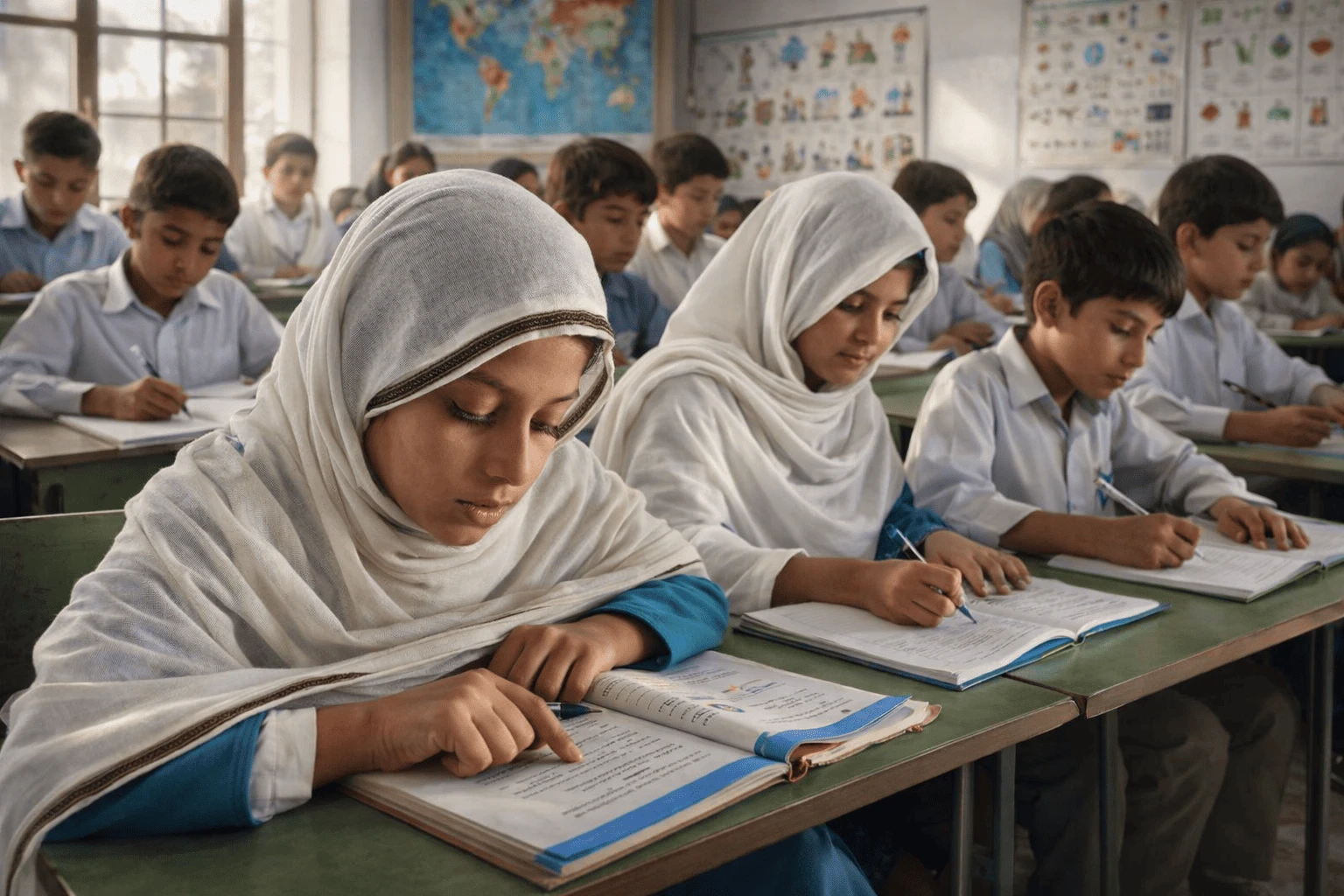
Although the curriculum is the same, the learning experience differs sharply. Private schools generally have better-trained teachers, smaller classes, and more resources, allowing students to adapt more easily. Public school students, however, often lack basic facilities, making it difficult to achieve the same learning outcomes despite studying the same syllabus.
The rural-urban divide remains a major challenge. Urban students benefit from tuition, educated parents, and English exposure, while rural students often lack academic support at home. This gap shows that curriculum reform alone cannot fix deep-rooted educational inequalities.
Parents and teachers offer some of the most honest insights into SNC’s effectiveness.
Many parents worry about whether SNC prepares students for higher education and global competition. Parents of private school students fear reduced exposure to international standards, while low-income parents worry that the curriculum is too demanding for their children.
Teachers report increased workload, limited training, and pressure to complete the syllabus. Large class sizes and a lack of teaching aids make individualized learning nearly impossible.
A major issue is the lack of communication between policymakers and educators. Teachers feel their feedback is ignored, resulting in unrealistic expectations and classroom frustration.
The Single National Curriculum in Pakistan represents a bold attempt to create equality in education. Its goals—fairness, standardization, and shared values—are important and necessary. However, the ground reality shows that implementation matters more than intention. While SNC offers opportunities for underprivileged students, it also exposes weaknesses in teacher training, school infrastructure, and language support. In its current form, SNC is neither a complete success nor a failure—it is a work in progress.
For SNC to truly benefit students, policymakers must invest in teachers, adapt the curriculum to local realities, and focus on learning quality rather than uniformity alone. Only then can the promise of equal education become a reality for Pakistan’s students.
Related
From PU to NUST: The Rise of Higher Education in Pakistan

Mushraf Baig is a content writer and digital publishing specialist focused on data-driven topics, monetization strategies, and emerging technology trends. With experience creating in-depth, research-backed articles, He helps readers understand complex subjects such as analytics, advertising platforms, and digital growth strategies in clear, practical terms.
When not writing, He explores content optimization techniques, publishing workflows, and ways to improve reader experience through structured, high-quality content.
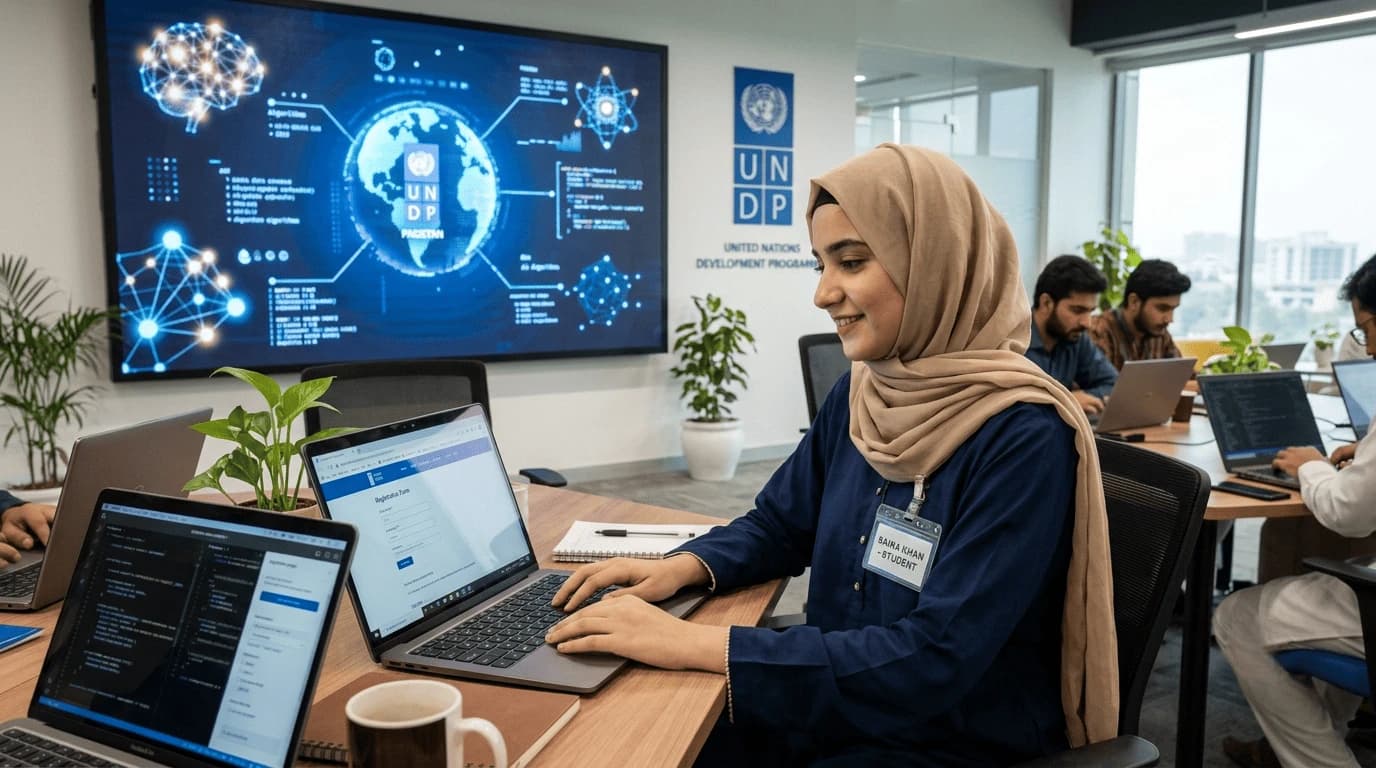
Pakistani students and recent graduates can now apply for the UNDP Digital, AI and Innovation Intern
7 July 2026
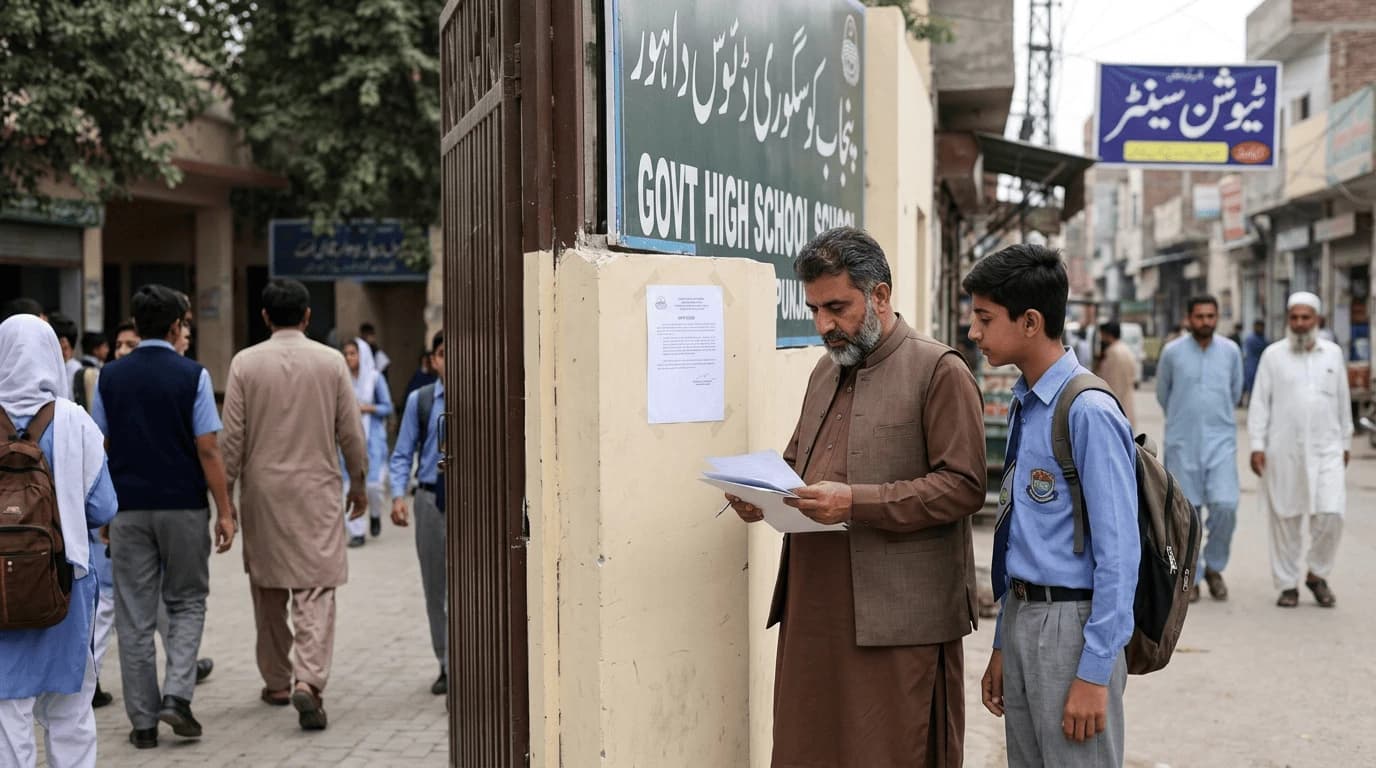
Lahore: The Punjab government has clarified that all tuition centres in the province are not being c
7 July 2026
The Higher Education Commission (HEC) of Pakistan has streamlined the degree attestation process by
1 July 2026
Be the first to share your thoughts
No comments yet. Be the first to comment!
Share your thoughts and join the discussion below.