* All product/brand names, logos, and trademarks are property of their respective owners.
Pakistan has ordered enhanced health screening at all international entry points after confirmed cases of the Nipah virus were reported in eastern India, prompting authorities to tighten surveillance as a precautionary public health measure. Officials stress that no Nipah cases have been detected in Pakistan, and that the move is intended to prevent potential cross-border transmission following developments in the region.
Pakistan’s Border Health Services–Pakistan (BHS-P), operating under the Ministry of National Health Services, Regulations and Coordination (NHSRC), issued a formal health advisory in late January mandating strict screening protocols at airports, seaports, and land border crossings. Under the directive, 100% of arriving and transit passengers, including airline crew and support staff, are subject to thermal screening and clinical assessment at points of entry. Travellers are also required to provide a complete travel and transit history covering the previous 21 days.
Health officials say the measures were introduced following alerts related to confirmed Nipah virus infections in West Bengal, India, reported in December 2025. The screening programme began rolling out between January 28 and 29, 2026, according to government statements and Pakistani media reports. A senior health official said the focus was on early detection and rapid response, rather than restricting travel. “Preventive surveillance is the most effective tool available to us at this stage,” the official said, adding that the aim was to remain vigilant without causing public alarm.
The actions are being enforced under the Pakistan Points of Entry (Public Health) Act, 2023, which grants BHS-P the authority to implement disease prevention measures at all international entry points.
Pakistan’s move follows similar steps taken by several Asian jurisdictions in response to the outbreak in India. Thailand began screening passengers arriving from affected areas at major airports, including Suvarnabhumi and Phuket, on January 24. Singapore’s Communicable Diseases Agency introduced temperature screening for arrivals from at-risk regions and enhanced monitoring of migrant workers later in the month.
Hong Kong strengthened health screening at its international airport, including temperature checks for passengers arriving from India, while Malaysia’s Ministry of Health activated screening measures at international ports of entry. Vietnam’s health authorities ordered thermal screening at major airports and land crossings for travellers arriving from India.
India, where the latest cases were identified, has said there is no indication of widespread transmission requiring airport screening nationwide. The Ministry of Health and Family Welfare has instead implemented targeted containment measures, including isolation of cases, contact tracing, and reinforced hospital infection-control protocols.
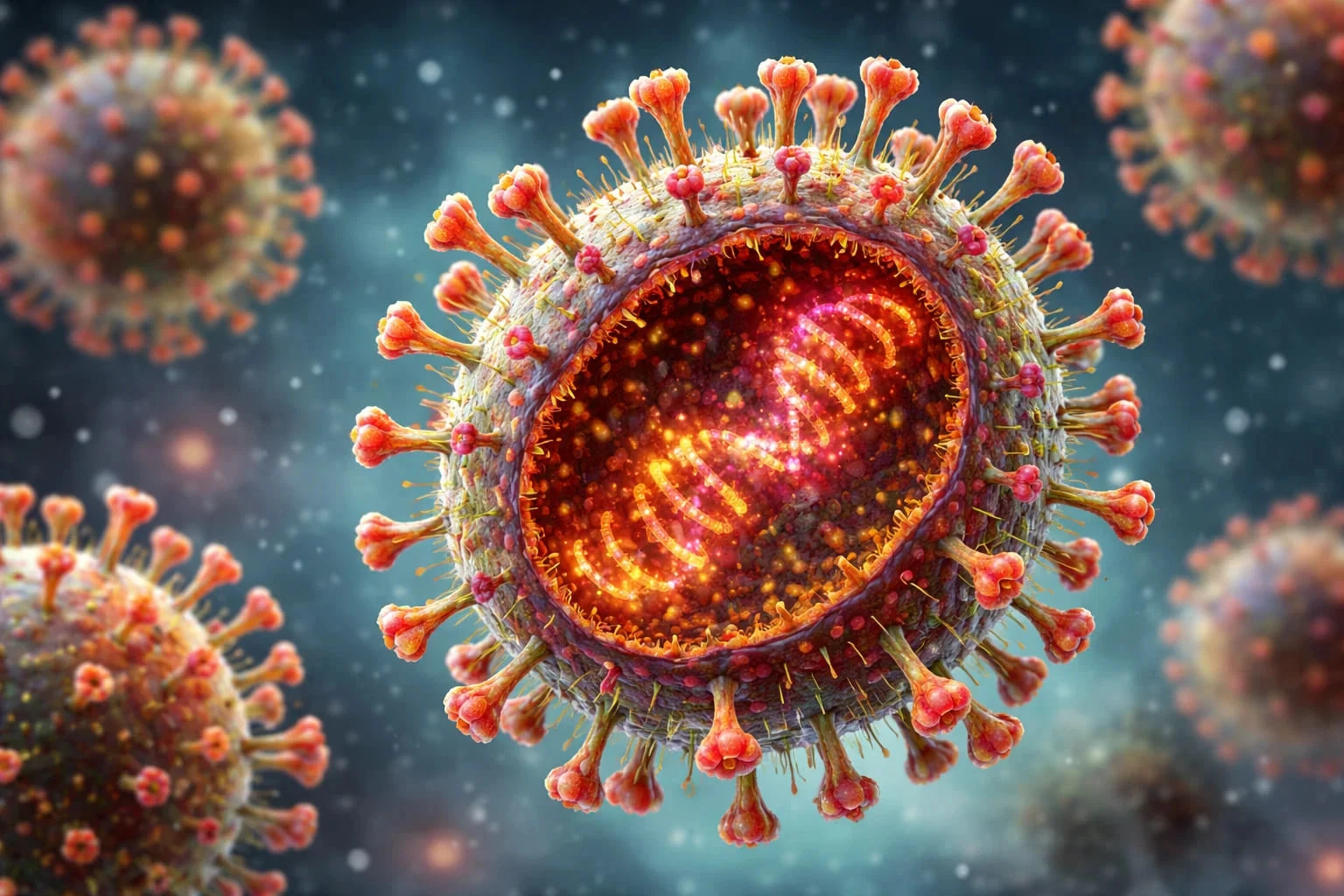
Nipah virus is a zoonotic disease, meaning it can spread from animals to humans. Fruit bats are recognised as the virus’s natural hosts, and outbreaks have previously been linked to contaminated food or close contact with infected animals.
In humans, infection often begins with non-specific symptoms such as fever, headache, nausea, and vomiting. In severe cases, it can progress to encephalitis, a potentially fatal inflammation of the brain.
According to the World Health Organization, Nipah virus outbreaks have recorded fatality rates ranging from 40% to 75%, depending on the strain and access to medical care. While the virus can spread between people, transmission typically requires close or prolonged contact, such as caring for an infected patient without adequate protective measures. There is currently no approved vaccine or specific antiviral treatment for the Nipah virus. Medical care is largely supportive, focusing on managing symptoms and preventing complications.
The WHO has classified Nipah as a priority pathogen because of its high mortality rate and potential to cause outbreaks, even though cases to date have remained limited and geographically contained. Health authorities in Pakistan have urged the public to remain informed but calm, emphasising that the enhanced screening measures are precautionary and do not indicate domestic transmission of the virus.

Mushraf Baig is a content writer and digital publishing specialist focused on data-driven topics, monetization strategies, and emerging technology trends. With experience creating in-depth, research-backed articles, He helps readers understand complex subjects such as analytics, advertising platforms, and digital growth strategies in clear, practical terms.
When not writing, He explores content optimization techniques, publishing workflows, and ways to improve reader experience through structured, high-quality content.
Pakistan has moved three major international airports into its airport outsourcing and privatisation
7 July 2026
Karachi’s Surjani area has received a new NADRA Mega Centre aimed at improving access to ident
7 July 2026
LAHORE: The Provincial Disaster Management Authority Punjab has issued a rain alert as showers, wind
7 July 2026
Be the first to share your thoughts
No comments yet. Be the first to comment!
Share your thoughts and join the discussion below.