.webp)
* All product/brand names, logos, and trademarks are property of their respective owners.
Pakistan is steadily emerging as one of Asia’s most talked-about travel destinations — and for good reason. From the snow-capped peaks of Gilgit-Baltistan and scenic Hunza Valley to the rich history of Lahore and the coastal energy of Karachi, the country offers a unique blend of landscapes, culture, and adventure. Whether you’re a solo traveler craving independence or a group traveler seeking shared experiences, Pakistan has something unforgettable to offer.
Naturally, one of the first questions international visitors ask is: “Is it safe to travel in Pakistan?” The honest answer in 2026 is yes — with preparation, awareness, and respect for local customs. Like any destination, safety varies by region, season, and travel style. Travelers who plan carefully, stay informed, and adapt to local norms generally report positive, incident-free experiences.
This guide provides practical, up-to-date advice for exploring Pakistan safely, covering regional insights, solo vs group travel, cultural etiquette, transport, accommodation, health, and essential safety tips.

International travel advisories have become more nuanced, highlighting specific regions rather than issuing blanket warnings. While some border and remote areas remain sensitive, major cities and established tourist destinations are increasingly safe.
Islamabad & Rawalpindi – Planned layout, low crime, strong security presence
Lahore – Cultural hub, walkable heritage zones, active tourism police
Hunza, Skardu & Gilgit – Popular for trekking, reliable local guidance
Murree & Abbottabad – Mountain retreats with tourism infrastructure
Multan & Bahawalpur – Historical and cultural exploration
Border regions near Afghanistan and Iran
Interior Balochistan (outside Quetta)
Certain remote areas in Sindh
Regions requiring special permits or local authorization
Tip: Always check your home country’s updated advisories and consult locals before venturing into less-traveled regions.
Best travel months: March–May (spring), September–November (autumn)
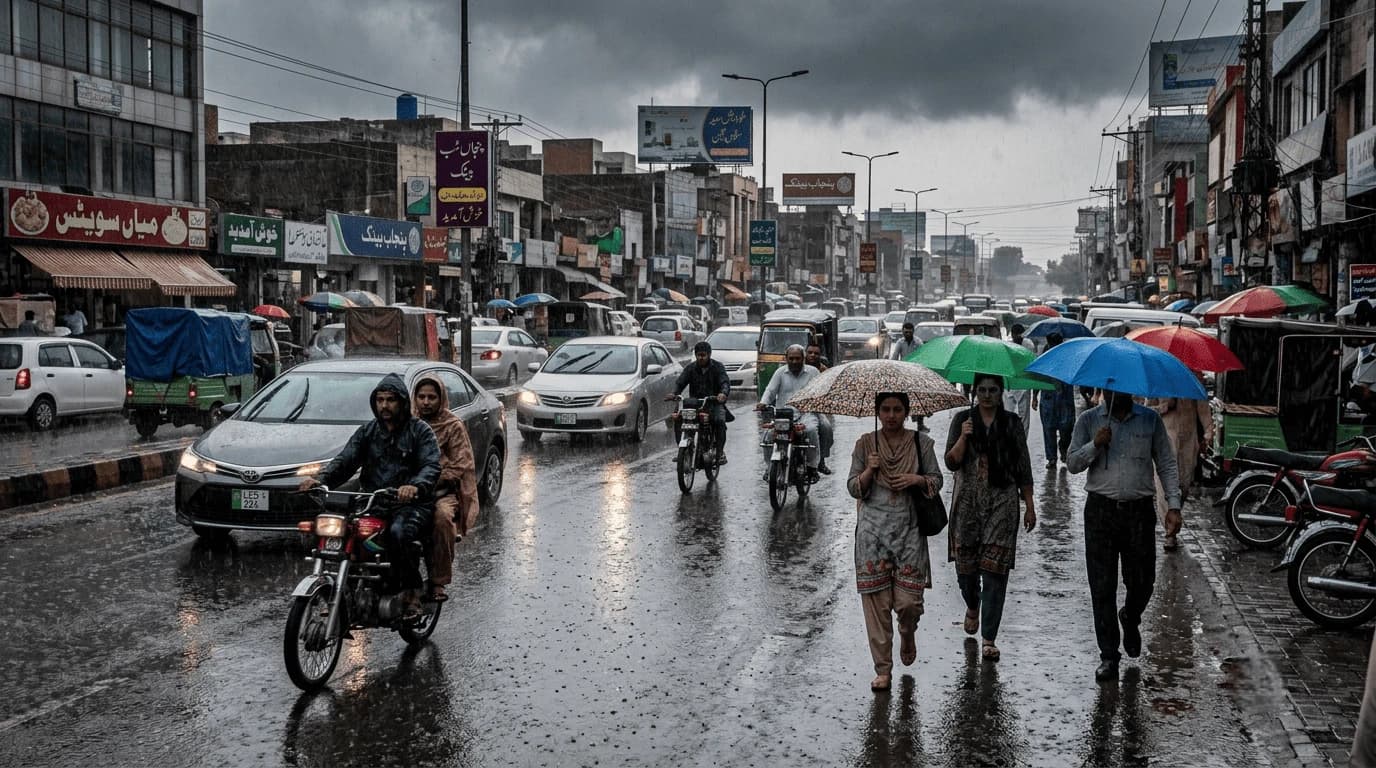
Monsoon risks: July–August may bring flooding and landslides
Winter hazards: Northern mountain routes may be blocked by snow
Planning your trip around these seasonal factors is a simple yet effective way to enhance safety.
Solo travel in Pakistan is generally safe, especially in cities like Islamabad, Hunza, and Skardu. Most risks stem from miscommunication or cultural misunderstandings rather than crime. Key safety habits include avoiding late-night travel in unfamiliar areas and sharing your itinerary with someone you trust.
Local insight: Pakistanis often treat solo travelers as honored guests, reflecting the country’s hospitality culture.
Female travelers may attract attention, but in most cases, it is harmless curiosity. Dressing modestly and respecting local norms is essential. Opt for accommodations with strong reviews from female travelers and prefer female-friendly transport options.
“I spent three weeks solo in Hunza and never once felt unsafe.” — Emily, UK
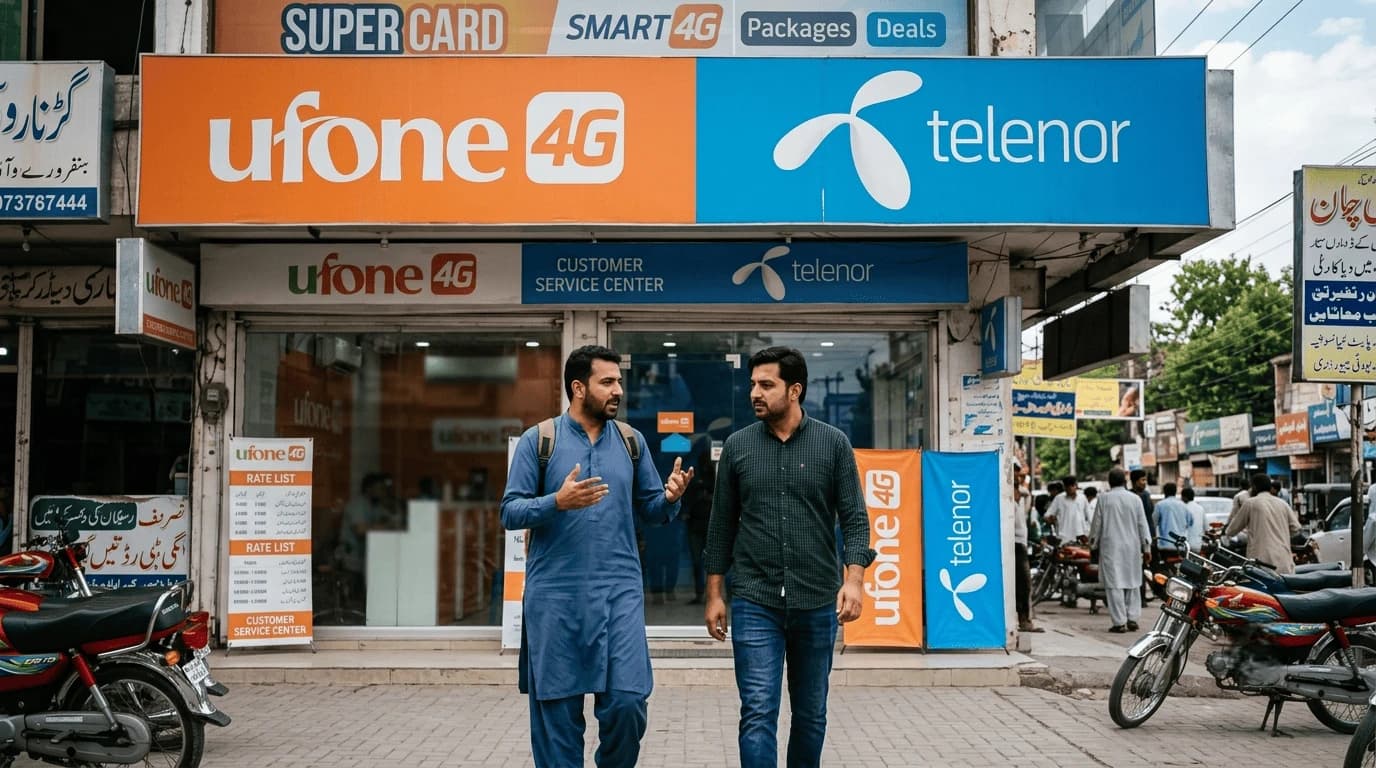
Use a local SIM card (Jazz, Zong) for communication and GPS navigation
Rely on verified ride-hailing apps (Careem, inDrive)
Dress modestly and respect cultural norms
Stick to well-reviewed hotels, guesthouses, or hostels
Keep emergency numbers and embassy contacts handy
Avoid over-sharing travel plans publicly
Safer destinations for solo travelers: Islamabad, Hunza, Skardu, central Lahore, and Murree. Remote locations like Fairy Meadows are beautiful but require daylight travel and local guidance.
Built-in safety network
Shared costs and responsibilities
Easier access to remote areas with local guides
More shared experiences and memories
Guided Tours: Ideal for first-time visitors; structured but stress-free
Independent Groups: Greater flexibility; coordinate via Google Maps & WhatsApp; assign roles for smooth logistics
Share itineraries and emergency contacts
Establish check-in rules and group schedules
Stick together in unfamiliar areas
Confirm accommodations and transport ahead of time
| Factor | Solo Travel | Group Travel |
|---|---|---|
| Safety | Safe with precautions | Safer overall |
| Cost | Higher per person | Shared expenses |
| Flexibility | High | Moderate |
| Experience | Personal growth | Shared memories |
“I started solo, then joined a group trek in Skardu. Perfect mix of freedom and support.” — Liam, Australia
Choosing your travel style: If you value independence and local interactions, solo travel works. Prefer structure, shared support, or social activities? Group travel is ideal.
Cover shoulders, chest, and knees
Shalwar kameez is comfortable and widely accepted
Women should carry a scarf for religious or rural settings
Remove shoes in mosques and homes
Avoid public displays of affection
Don’t eat publicly during Ramadan
Ask permission before photographing locals
Stay calm and polite in public interactions
Keep ID and passport copies accessible
Seek guidance from the hotel or tour staff if needed
“Police stopped me in Gilgit just to check if I was okay — very professional.” — Jens, Germany
ID & passport copies
Power bank and adapter
Local SIM card
Offline maps (Maps.me or Google Maps offline)
First-aid kit and medications
Water purification tablets
Careem / inDrive (rides)
Google Maps / Maps.me (navigation)
XE Currency (exchange rates)
Google Translate (basic communication)
Local weather apps
Use reputable buses for long distances (Daewoo, Faisal Movers)
Check road conditions before heading into the mountains
Emergency numbers: 15 (Police), 1122 (Ambulance)
Keep embassy contact info handy
Hunza Valley: Attabad Lake, Baltit Fort; solo and group-friendly
Skardu: Deosai Plains, Shigar Fort; ideal for adventure seekers
Islamabad: Faisal Mosque, Margalla Hills; clean, easy to navigate
Lahore: Badshahi Mosque, Lahore Fort; cultural and culinary hub
Swat Valley: Kalam, Malam Jabba; trekking and eco-tourism
Multan & Bahawalpur: Noor Mahal, Derawar Fort; best in groups
Pakistan is one of the world’s most underrated travel destinations — full of history, stunning landscapes, and warm hospitality. With thoughtful planning, cultural awareness, and practical safety measures, travelers can explore confidently whether solo or in a group.
Quick takeaways:
Solo travel: Freedom, growth, independence
Group travel: Security, shared support, social joy
Approach your journey with openness, respect, and curiosity. Pakistan’s welcoming spirit ensures experiences and memories that last a lifetime. Have tips or experiences to share? Drop them in the comments — let’s help fellow travelers explore smarter.
Related
Top Hidden Natural Travel Spots in Pakistan Every Nature Lover Must Visit

Mushraf Baig is a content writer and digital publishing specialist focused on data-driven topics, monetization strategies, and emerging technology trends. With experience creating in-depth, research-backed articles, He helps readers understand complex subjects such as analytics, advertising platforms, and digital growth strategies in clear, practical terms.
When not writing, He explores content optimization techniques, publishing workflows, and ways to improve reader experience through structured, high-quality content.
Applying for a US tourist visa from Pakistan can feel confusing at first, but the process becomes mu
13 June 2026
International trips are exciting, but they also come with risks you do not always face at home. A mi
23 May 2026
Pakistan is one of Asia’s most underrated travel destinations—and in 2026, it’s fi
23 February 2026
Be the first to share your thoughts
No comments yet. Be the first to comment!
Share your thoughts and join the discussion below.