* All product/brand names, logos, and trademarks are property of their respective owners.
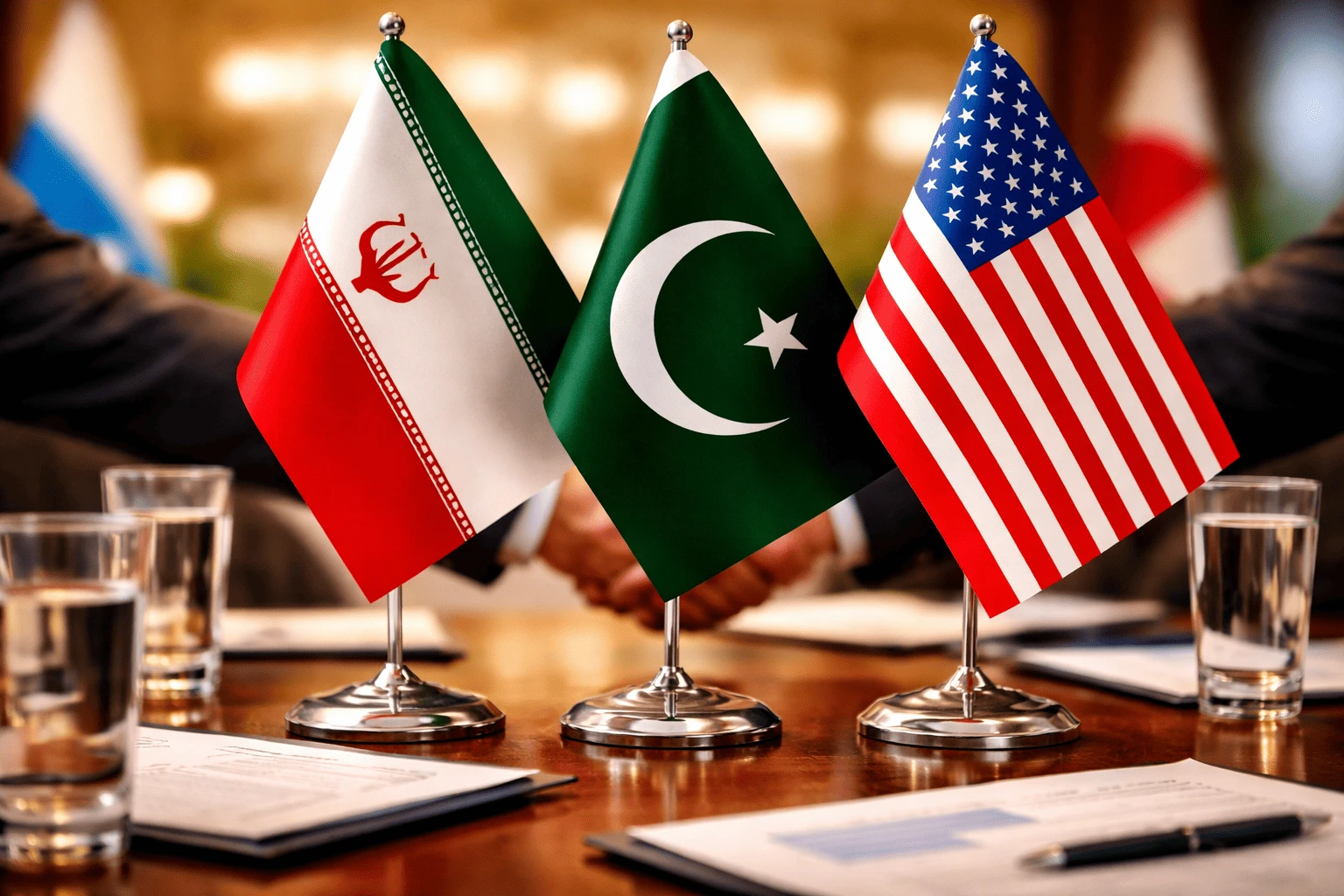
The United States and Iran have agreed to a two-week ceasefire in a significant diplomatic move aimed at easing escalating tensions in the Middle East, with Pakistan playing a central role in mediating the agreement.
US President Donald Trump said Washington would suspend bombing and other military actions against Iran under what he described as a “double-sided” ceasefire. He said the decision followed direct contacts with Pakistan’s Prime Minister Shehbaz Sharif and Army Chief Field Marshal Asim Munir, who urged restraint and pushed for a diplomatic solution.
The ceasefire is conditional and intended as a temporary pause rather than a final settlement. A key requirement includes the immediate and safe reopening of the Strait of Hormuz, a vital route for global oil shipments.
Trump also said the United States had received a 10-point proposal from Iran that could serve as the basis for negotiations. He indicated that several major areas of disagreement had already been narrowed and expressed hope that the two-week window could lead to a broader agreement.
Two White House officials said Israel had agreed to the ceasefire and would suspend its bombing campaign against Iran. However, the situation remains fragile. Shortly after the announcement, Israeli authorities reported missile launches from Iran toward Israel, highlighting the uncertainty surrounding the truce.
Pakistan has emerged as a key intermediary in the process. Officials said Islamabad played a critical role in relaying messages between Washington and Tehran and helping both sides move toward an agreement. Pakistan is now expected to host formal talks between US and Iranian representatives in Islamabad starting Friday.
Iran signalled conditional acceptance of the ceasefire. Foreign Minister Abbas Araghchi said Tehran would halt its defensive operations if attacks against Iran stopped. He also indicated that safe passage through the Strait of Hormuz could be ensured during the ceasefire period, subject to coordination with Iranian forces.
Iranian officials stressed that the agreement does not mark the end of the conflict, describing it as a temporary step dependent on the outcome of upcoming negotiations. Talks in Islamabad are expected to last two weeks, with the possibility of extension if both sides agree.
The coming days will be critical in determining whether the ceasefire can lead to a longer-term agreement or remain a brief pause in hostilities. For now, the deal offers a narrow but important opportunity for de-escalation, with Pakistan at the center of efforts to turn that pause into a lasting settlement.

I am Zeenat, an SEO Specialist and Content Writer specializing in on-page and off-page SEO to improve website visibility, user experience, and performance.
I optimize website content, meta elements, and site structure, and implement effective off-page SEO strategies, including link building and authority development. Through keyword research and performance analysis, I drive targeted organic traffic and improve search rankings.
I create high-quality, search-optimized content using data-driven, white-hat SEO practices, focused on delivering sustainable, long-term growth and improved online visibility.
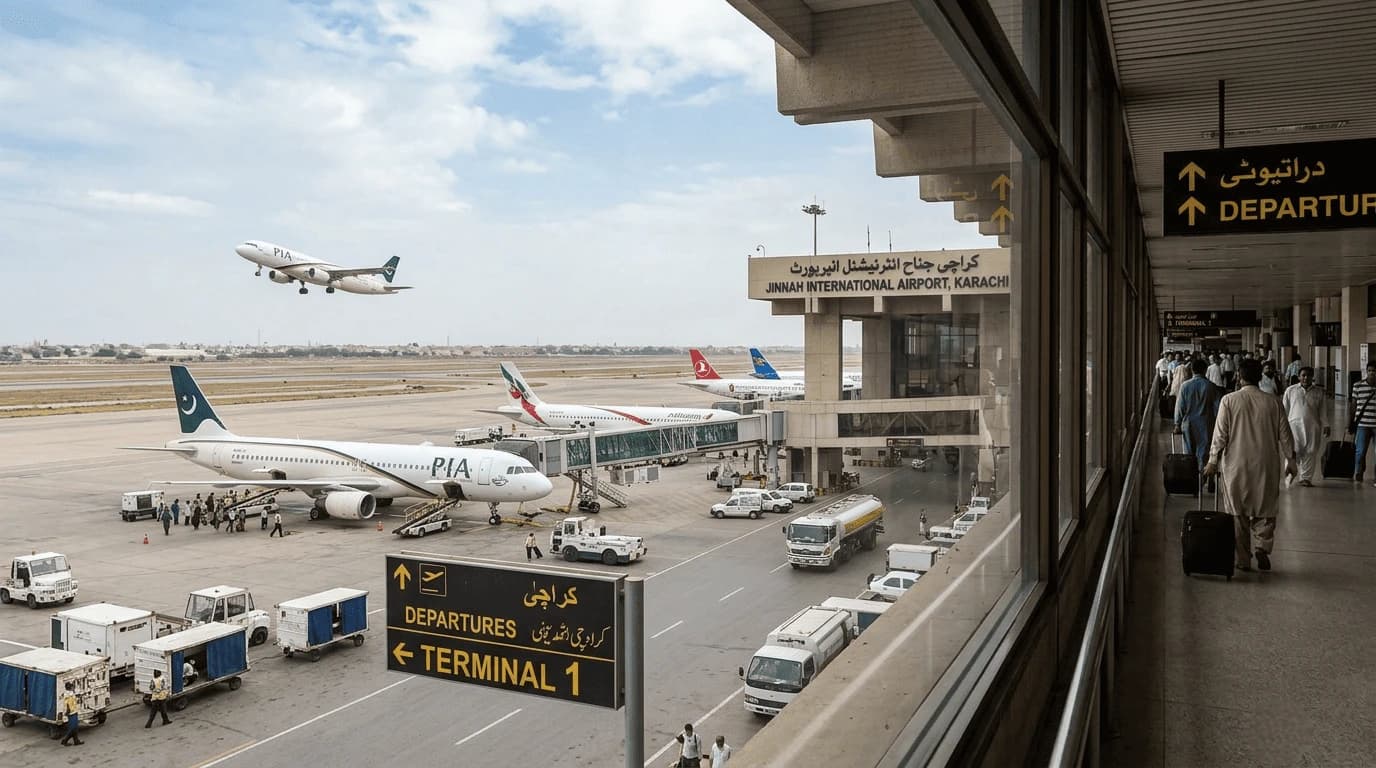
Pakistan has moved three major international airports into its airport outsourcing and privatisation
7 July 2026
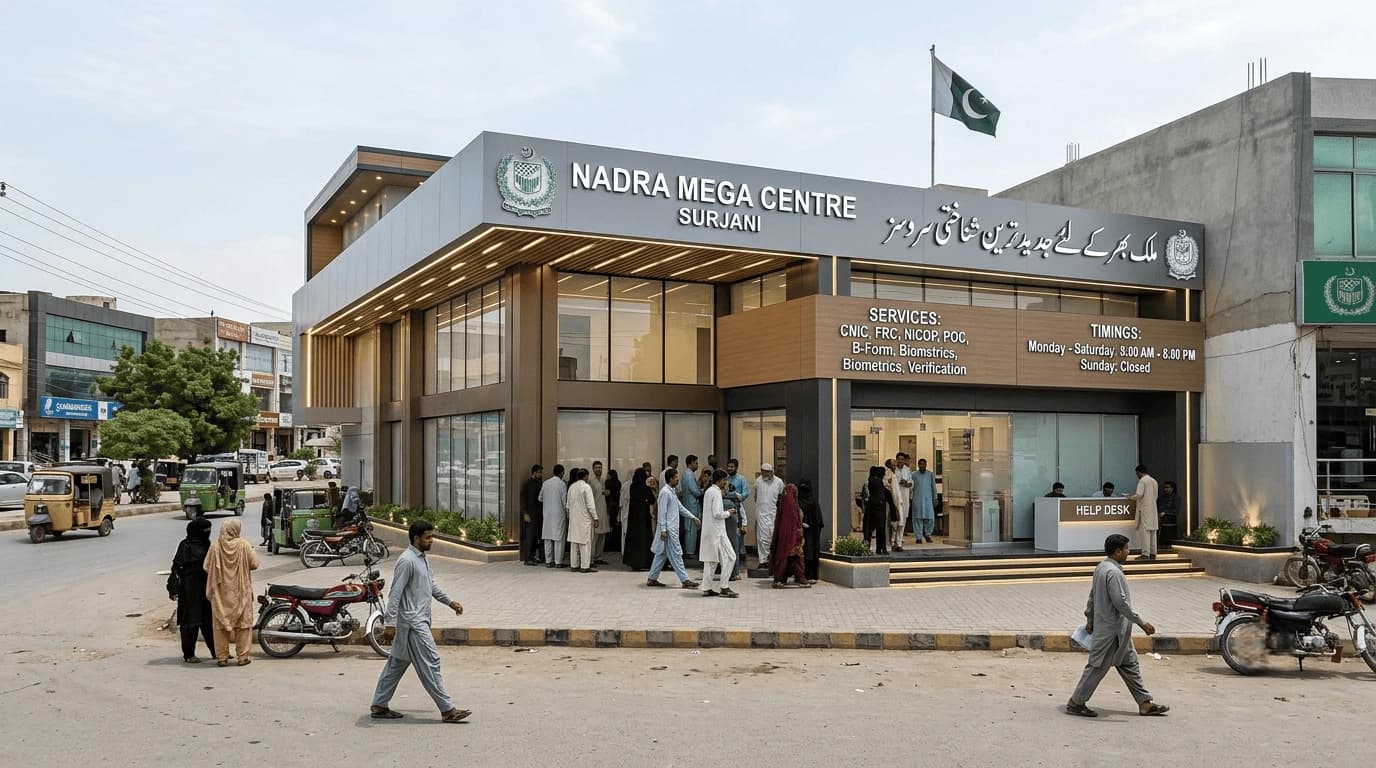
Karachi’s Surjani area has received a new NADRA Mega Centre aimed at improving access to ident
7 July 2026
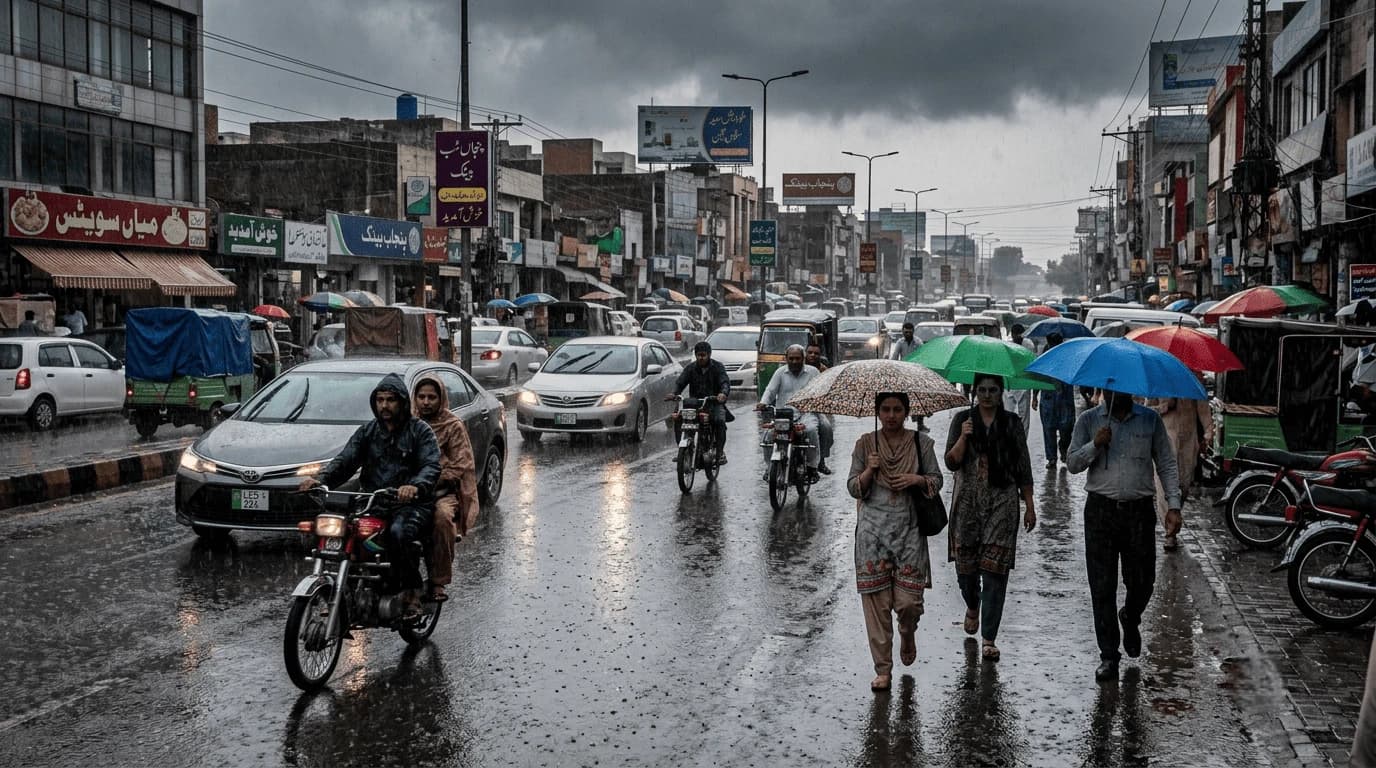
LAHORE: The Provincial Disaster Management Authority Punjab has issued a rain alert as showers, wind
7 July 2026
Be the first to share your thoughts
No comments yet. Be the first to comment!
Share your thoughts and join the discussion below.