* All product/brand names, logos, and trademarks are property of their respective owners.
UNITED NATIONS Sept 19, 2025
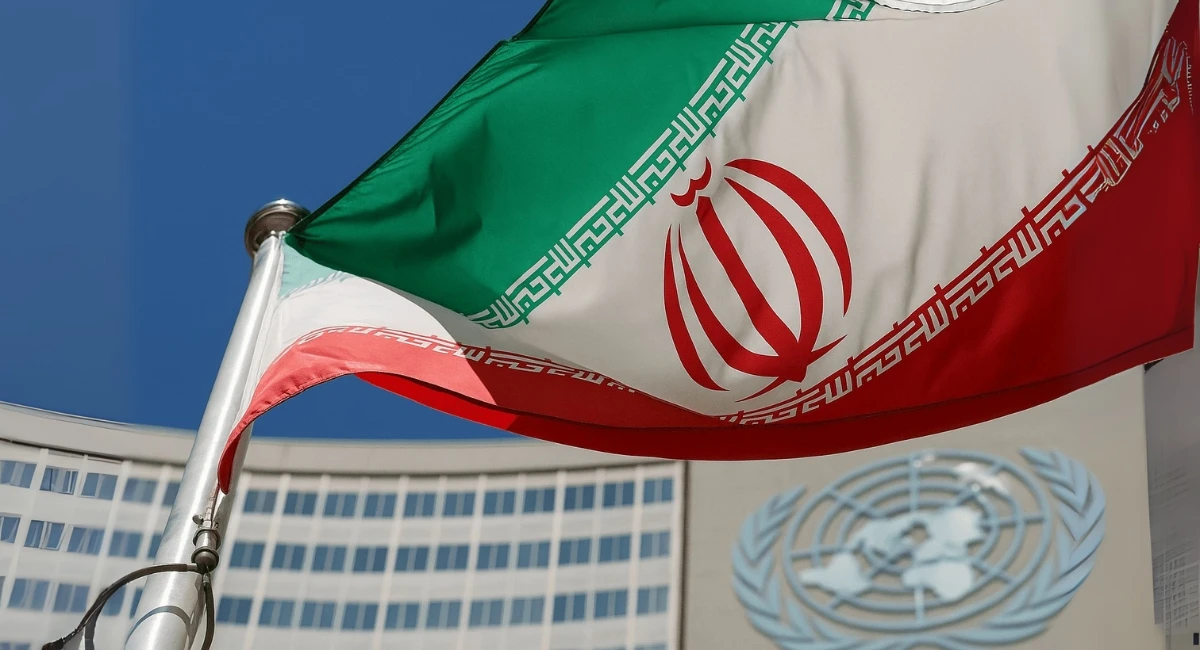
The United Nations Security Council has rejected a resolution that would have ended key international sanctions on Iran a decision that sets the stage for the automatic return of restrictions under the 2015 nuclear agreement. The vote, held on Thursday, comes just weeks before the expiration of a crucial deadline tied to the snapback mechanism a clause in the nuclear deal that allows sanctions to be reimposed if Iran is found to be in serious violation of its commitments.
The resolution, pushed by France, the United Kingdom, and Germany (known as the E3), failed to gain enough support from other members of the Council. China and Russia opposed the move, while the United States, which withdrew from the nuclear deal in 2018, expressed support for the snapback but did not take part in the vote.
The outcome means sanctions related to arms sales, missile programs, and financial transactions could automatically return by mid-October, unless Iran and the E3 reach a last-minute agreement.
The sanctions set to be reimposed include:
A ban on Iran’s export and import of weapons
Restrictions on ballistic missile development
Limitations on international banking transactions involving Iranian institutions
Sanctions on individuals and entities linked to Iran’s nuclear and military programs
These measures were originally lifted in 2016 when Iran agreed to limit its nuclear program under the Joint Comprehensive Plan of Action (JCPOA).
The snapback is part of UN Security Council Resolution 2231, passed in 2015 to enforce the JCPOA. It allows any of the original signatories to trigger the return of sanctions if Iran is found to be in breach of the agreement. Unless the Council votes to block the move within 30 days, the sanctions automatically come back into effect.
There is disagreement over who can initiate the snapback. While the E3 and U.S. argue they are within their rights due to Iran’s non-compliance, Iran and its allies claim the process is illegitimate especially since the U.S. left the nuclear deal.
Iran strongly condemned the Security Council’s decision. A spokesperson for the Iranian Foreign Ministry called the move politically motivated and illegal:
“This is a clear violation of international law and an attempt to pressure Iran for political gain,” the spokesperson said.
European leaders defended the resolution, stating that Iran has failed to meet its obligations, including allowing full access to international inspectors.
French President Emmanuel Macron said in a press briefing:
“Iran’s continued non-compliance cannot go unanswered. The snapback is not our preferred outcome, but we must uphold the integrity of the nuclear agreement.”
Russia and China, meanwhile, criticized the move. China’s ambassador to the UN said:
“The unilateral pressure on Iran undermines multilateral diplomacy and risks escalating tensions in the region.”
The deadline to stop the snapback is approaching quickly. If Iran does not take corrective steps such as restoring full cooperation with the International Atomic Energy Agency (IAEA) the reimposed sanctions will likely take effect in October 2025.
Diplomatic talks are reportedly ongoing, but officials warn that time is running out.

No bio available yet.
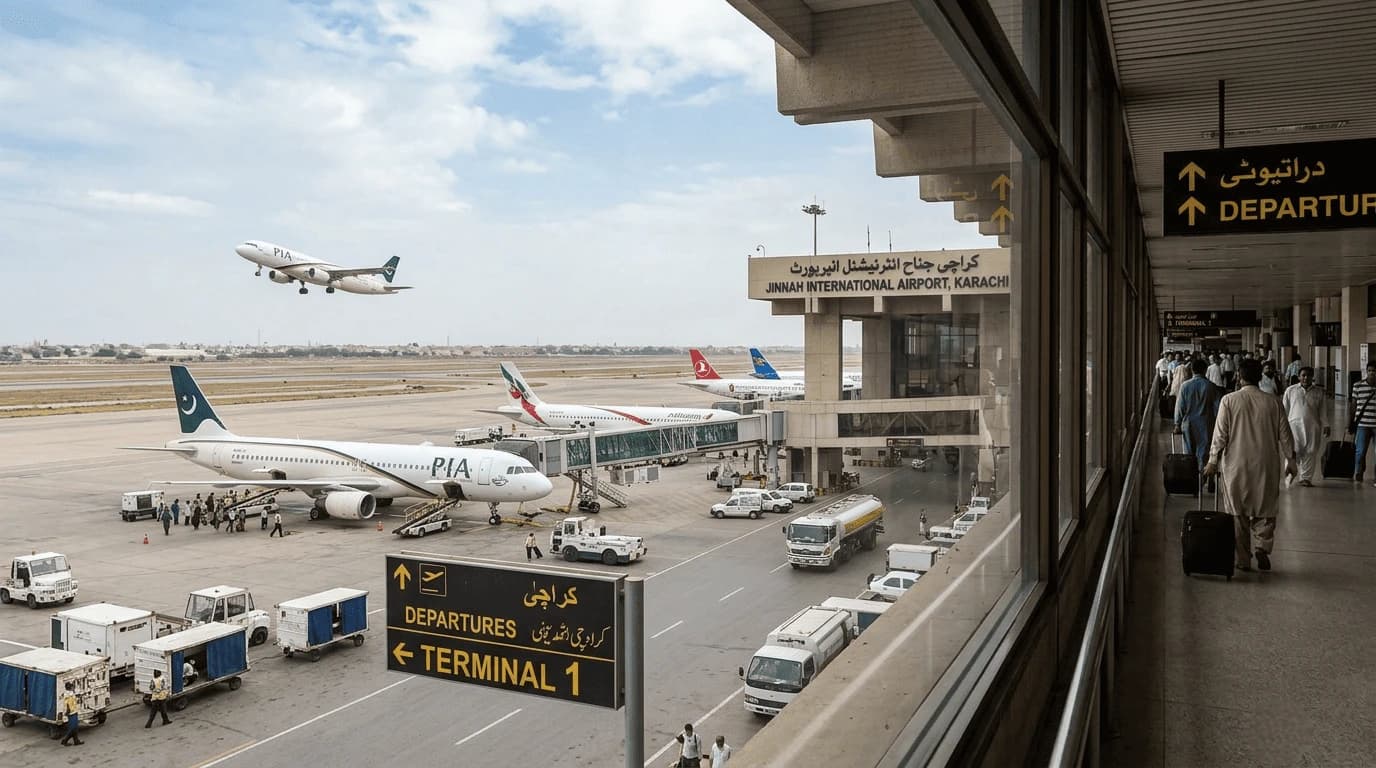
Pakistan has moved three major international airports into its airport outsourcing and privatisation
7 July 2026
Karachi’s Surjani area has received a new NADRA Mega Centre aimed at improving access to ident
7 July 2026
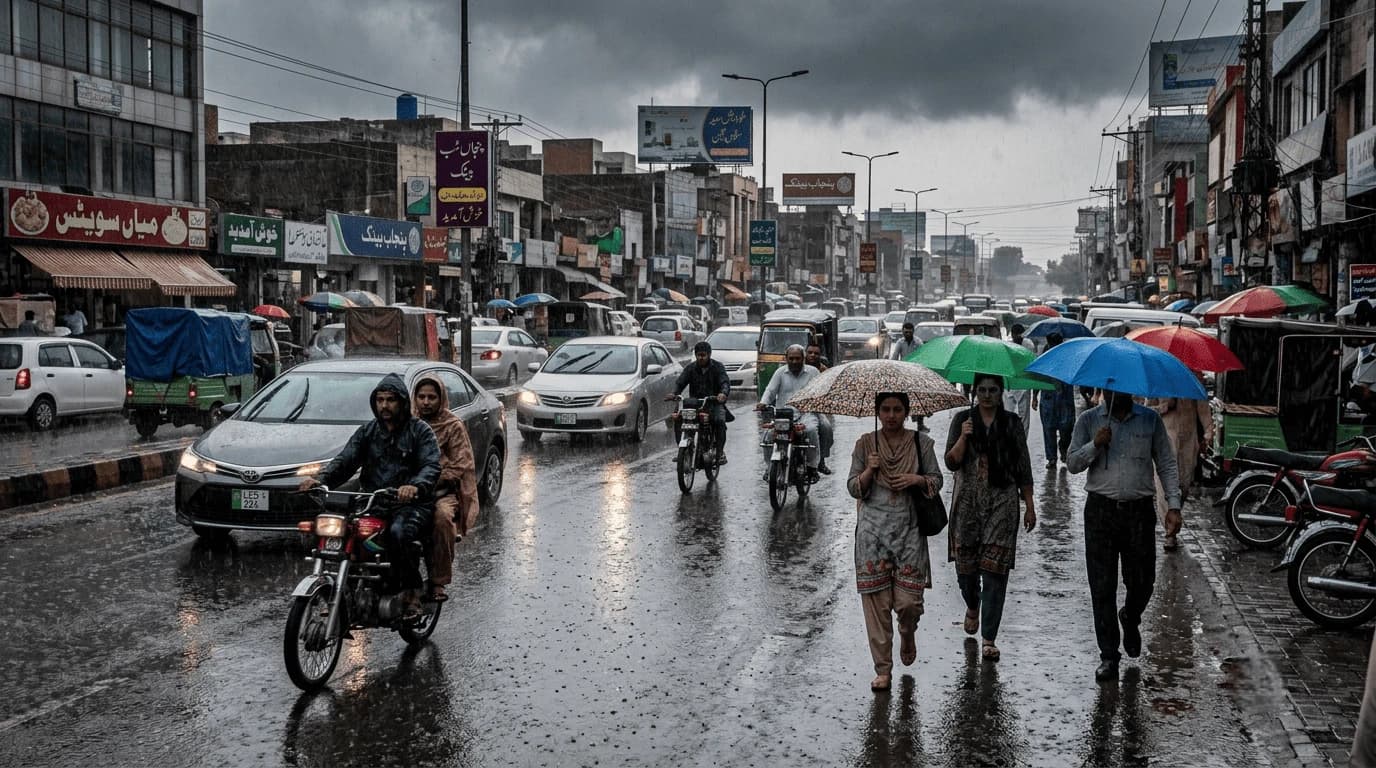
LAHORE: The Provincial Disaster Management Authority Punjab has issued a rain alert as showers, wind
7 July 2026
Be the first to share your thoughts
No comments yet. Be the first to comment!
Share your thoughts and join the discussion below.