* All product/brand names, logos, and trademarks are property of their respective owners.
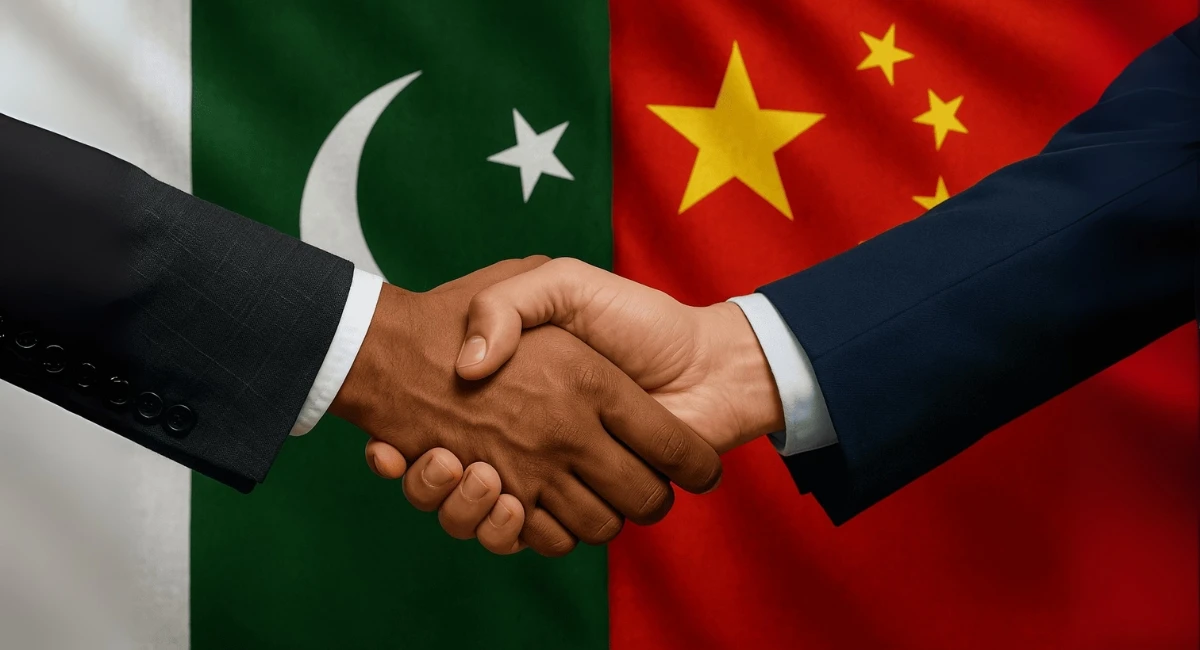
Pakistan and China have recently announced a major increase of their economic ties as part of a freshly unveiled Action Plan for 2025‑2029 and the formal launch of CPEC 2.0. During the 2nd Pakistan‑China B2B Investment Conference in Beijing on September 4, 2025, both nations signed 21 joint ventures and over 100 memoranda of understanding (MoUs), totaling about USD 8.5 billion. Of that, USD 7 billion are MoUs and roughly USD 1.54 billion are joint ventures, spanning sectors such as agriculture, electric vehicles, solar energy, health, chemicals and steel.
The bilateral partners say the new joint roadmap (Action Plan 2025‑2029) aims to deepen cooperation in trade, finance, digital and physical connectivity. Initiatives include modernizing the Khunjerab‑Sost border crossing for year‑round trade flow, establishing a “single window” digital trade document system, and accelerating Phase II of the China‑Pakistan Free Trade Agreement to boost Pakistani exports.
Prime Minister Shehbaz Sharif described:
The renewed partnership as a “long march of economic growth,” promising that bureaucratic obstacles will be removed and that investor confidence will be strengthened."
Chinese leaders have once again promised to support Pakistan’s development and said they are ready to keep working closely together through their “all-weather strategic cooperative partnership.”
However, concerns remain. Many experts believe that, despite big promises in the past, the results from CPEC have not lived up to expectations. So far, Pakistan has received around USD 28 billion in investments much less than what was originally hoped for. Critics also point to problems like an ongoing trade imbalance, delays in completing projects, and a lack of transparency in how things are managed.
All eyes are now on how quickly the new deals will be put into action. Key questions include whether Pakistan can meet its export goals and how well it can address concerns about fair project management, local involvement, and long-term sustainability. If things move in the right direction, CPEC 2.0 could bring real progress. If not, the partnership may need serious changes to deliver real benefits.

No bio available yet.
Pakistan has moved three major international airports into its airport outsourcing and privatisation
7 July 2026
Karachi’s Surjani area has received a new NADRA Mega Centre aimed at improving access to ident
7 July 2026
LAHORE: The Provincial Disaster Management Authority Punjab has issued a rain alert as showers, wind
7 July 2026
Be the first to share your thoughts
No comments yet. Be the first to comment!
Share your thoughts and join the discussion below.