* All product/brand names, logos, and trademarks are property of their respective owners.
The PP-52 Sialkot by-election of 2025 has become a focal point of political debate and public interest in Punjab, Pakistan. This by-election is not merely about filling a vacant seat; it’s a barometer of the region’s political climate and a potential indicator of what lies ahead for Punjab's electoral landscape. The seat, left vacant after the unfortunate passing of former MPA Arshad Warraich, has turned into a heated battleground for key political forces and independent hopefuls alike.
At the forefront of the contest is Hina Arshad Warraich, representing the Pakistan Muslim League-Nawaz (PML-N). As the daughter of the late MPA, Hina’s candidacy carries a significant emotional and symbolic weight. Her campaign emphasizes continuity of her father’s legacy and promises of ongoing development projects that were initiated during his tenure. On the other hand, Fakhar Ghumman, a prominent independent candidate and former PTI stalwart, has been shaking up the race with a strong grassroots campaign that seeks to appeal to disenfranchised voters and capitalize on the cracks within mainstream parties.
Adding to the dynamics is Raheel Kamran Cheema from the Pakistan Peoples Party (PPP) and Chaudhry Shafqat of the Tehreek-e-Labbaik Pakistan (TLP), each bringing their unique narratives and voter bases to the race. The diversity of contenders highlights not just the multipolar nature of the race but also how local issues, historical voting patterns, and the candidates’ personal rapport with constituents are shaping electoral sentiment.
What’s particularly interesting is how the contest in PP-52 reflects broader provincial and national trends. In the wake of rising public disillusionment with mainstream parties and the increasing influence of independent candidates, this by-election could potentially foreshadow changes in Punjab’s political fabric. Coupled with local development concerns, family legacies, and swirling claims of election irregularities, the stage is set for an intense and unpredictable electoral showdown in Sialkot.
The PP-52 by-election has brought a diverse mix of candidates into the spotlight, each leveraging unique strategies to win over the electorate. At the heart of this electoral battle are both seasoned politicians and fresh faces who have tapped into the district’s evolving political sentiments.
Hina Arshad Warraich, representing the Pakistan Muslim League-Nawaz (PML-N), has centered her campaign around the enduring legacy of her father, the late Arshad Warraich. She has framed her candidacy as a continuation of his commitment to development in Sialkot, focusing on promises of new infrastructure projects, better health facilities, and expanded educational opportunities.
Despite her strong backing from the PML-N, Hina faces challenges. Her campaign must balance the weight of her father’s legacy with the growing frustration among voters who feel disconnected from mainstream political parties. To bridge this gap, she has increased her presence on social media and emphasized a direct connection with constituents through in-person meetings and community events. Her approach highlights a blend of traditional political mobilization and modern communication techniques.
Fakhar Ghumman, once a staunch PTI member, is running as an independent candidate, and his decision to part ways with the PTI has been a talking point across Sialkot. Fakhar’s campaign has gained traction by focusing on grassroots-level issues, such as clean water, waste management, and local employment initiatives. His team has actively organized door-to-door canvassing to forge personal relationships with voters—a tactic that is proving effective in areas where party loyalties are weakening.
Fakhar’s approach has resonated with younger voters and those disillusioned by the mainstream parties. Drawing parallels to successful independent campaigns in Pakistan’s recent by-elections, he is seen as a symbol of the growing power of independent voices in provincial politics. His messaging of being “for the people, not the parties” echoes global political trends where local leaders are outshining national narratives.
Raheel Kamran Cheema of the PPP and Chaudhry Shafqat of the TLP have injected additional complexity into the race. While they may not be leading in the polls, their presence has the potential to split the vote—especially in neighborhoods with strong religious or ideological leanings. Their campaigns have emphasized issues such as religious representation and broader national agendas, ensuring they remain relevant players despite limited resources.
Together, these candidates are reshaping the electoral landscape of PP-52. Their campaigns highlight how the seat has become a microcosm of the shifting political dynamics in Punjab, blending personal legacies, local development priorities, and the desire for fresh political alternatives.
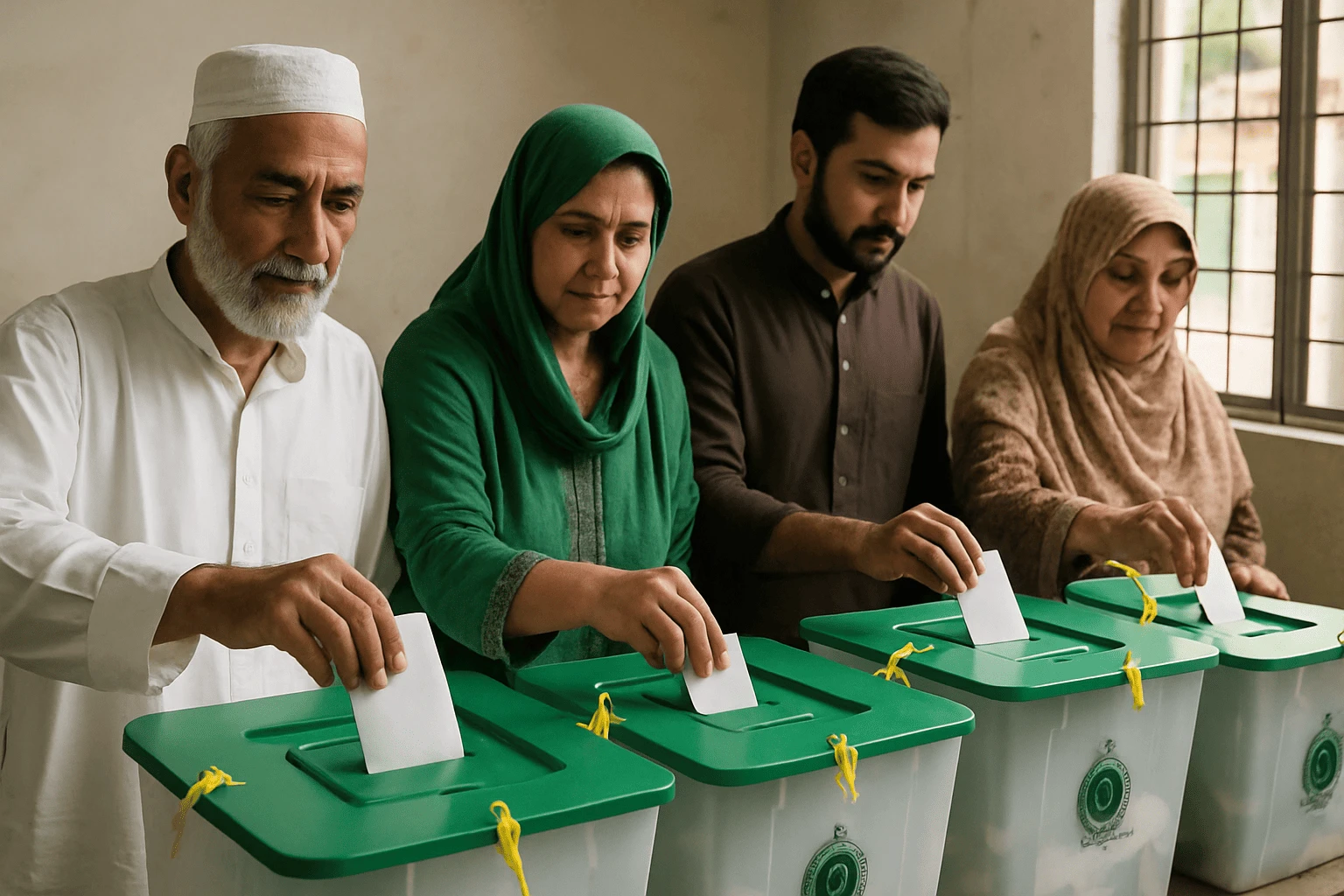
As the PP-52 Sialkot by-election unfolds, the eyes of political analysts, party loyalists, and independent observers are firmly set on the dynamics that will define the final outcome. From polling day logistics to shifting voter priorities, several key elements will shape how this crucial election plays out.
Historically, voter turnout in Sialkot’s provincial assembly seats has been robust, often surpassing Punjab’s average. In this by-election, early indicators suggest a similar trend, fueled by the intense campaigns of both party-affiliated and independent candidates. However, voter enthusiasm is not solely driven by party loyalty—it is also shaped by pressing local concerns such as job opportunities, water and sanitation infrastructure, and public health initiatives.
The electorate of PP 52 is increasingly prioritizing development over party politics. For example, in the previous 2018 general elections, Sialkot’s urban pockets leaned heavily towards PML-N, driven by infrastructure promises. In contrast, rural areas showed greater support for independent candidates who focused on everyday issues. This shift is expected to continue in 2025, with voters becoming more discerning and focused on practical outcomes rather than just party slogans.
Given the intense competition and the backdrop of previous allegations of electoral malpractices in Punjab, authorities have labeled several polling stations as ‘highly sensitive.’ In response, enhanced security measures—including the deployment of Rangers and CCTV surveillance—have been put in place to ensture a fair and transparent election.
Yet, no election in Pakistan is complete without whispers of rigging or unfair practices. Local social media groups and journalists are already highlighting concerns about potential voter intimidation and ballot stuffing in rural pockets. These claims have been vigorously denied by the Election Commission of Pakistan (ECP), but they add an air of tension and uncertainty that’s hard to ignore.
Social media platforms have become powerful tools for candidates and voters alike in this election cycle. X (formerly Twitter) and Facebook groups are abuzz with real-time updates on voter turnout, polling irregularities, and even satirical commentary on the day’s events. Hina Arshad Warraich’s campaign, for instance, has live-streamed her visits to polling stations, while Fakhar Ghumman’s team is actively sharing videos of alleged irregularities to rally last-minute support.
This digital footprint isn’t just for show—it’s shaping perceptions of fairness and transparency in real time. For instance, similar patterns were observed in recent elections in Karachi, where viral videos of electoral misconduct forced authorities to intervene. In PP-52, these digital narratives are poised to play a significant role in shaping post-election discourse.
As the day progresses, these voter dynamics and real-time updates will play a critical role in determining the final outcome of this high-stakes race.
The PP-52 Sialkot by-election of 2025 is far more than a local contest—it is a vivid reflection of the changing political landscape in Punjab. With Hina Arshad Warraich carrying the weight of her family’s political legacy, Fakhar Ghumman rallying the support of disillusioned voters, and other contenders like Raheel Kamran Cheema and Chaudhry Shafqat introducing nuanced debates, this by-election underscores the intricate balance between tradition and change.
Throughout the campaign, a consistent thread has emerged: voters are no longer satisfied with rhetoric alone. The electorate’s focus on infrastructure development, access to public services, and transparent governance has forced candidates to rethink their outreach and promises. This sentiment is echoed in the rise of social media as a critical platform for real-time updates, fact-checking, and public engagement, adding an unpredictable element to what was once a conventional electoral process.
As polling day activities wrap up and results trickle in, all eyes will be on the final count. Will the PML-N retain its stronghold in Sialkot, or will an independent candidate disrupt the status quo? The stakes are high, not just for the candidates, but for the very fabric of democratic participation in the province.
For voters and political observers alike, this by-election is a chance to witness how local issues, digital activism, and shifting allegiances converge to reshape the future of PP-52. As we await the final verdict, one thing is clear: the people of Sialkot have spoken through their ballots, and their voices will set the tone for the region’s political journey ahead.
Stay tuned for the results and post-election analyses—because this race is far from over!

Hi, I’m Ahmed, a professional content writer and SEO specialist. I help businesses, brands, and websites create clear, engaging, and search-friendly content that attracts the right audience and drives results.
With a strong understanding of SEO, keyword research, blog writing, website content, and content strategy, I craft content that is not only well-written but also optimized to perform on search engines. My goal is to turn ideas into powerful words that build trust, improve visibility, and support business growth.
Whether you need blog posts, website copy, product descriptions, SEO articles, or content optimization, I can help create content that connects with readers and supports your online goals.
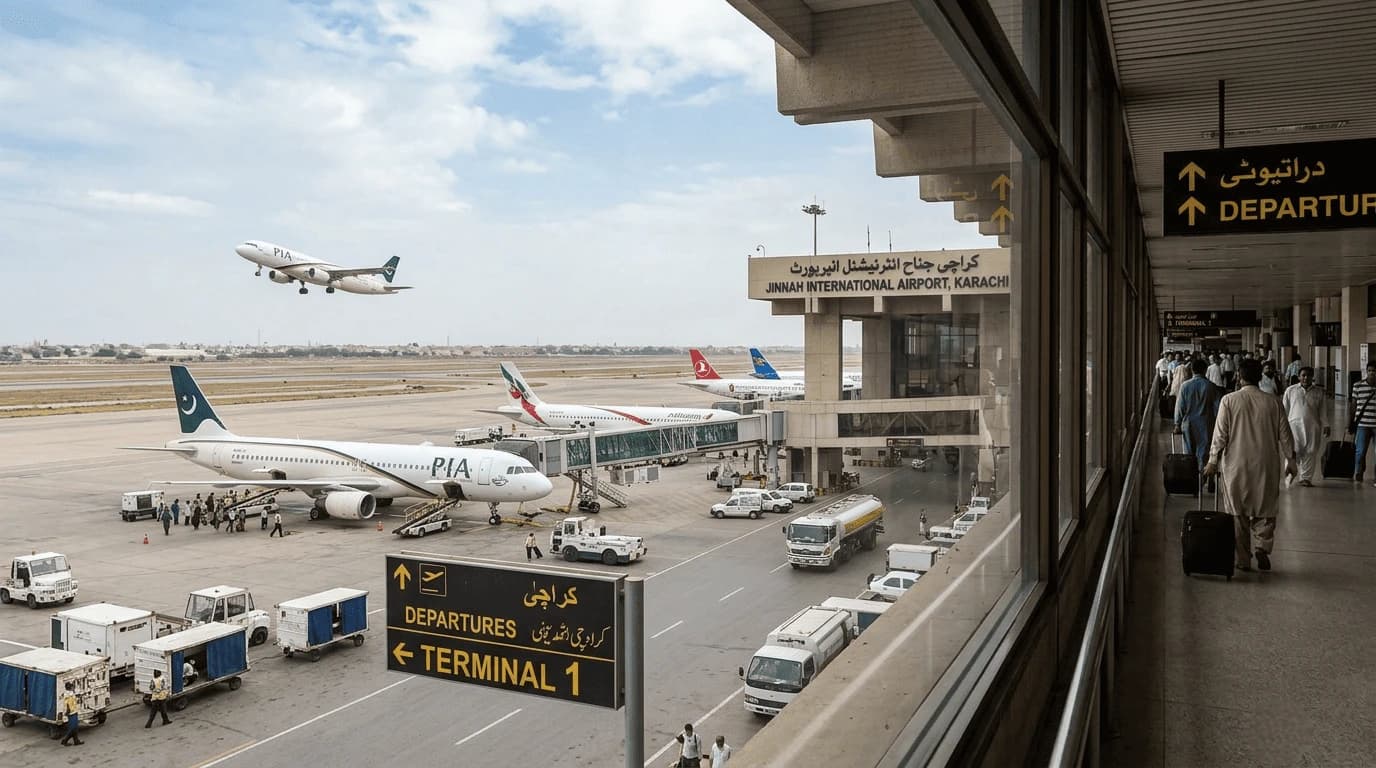
Pakistan has moved three major international airports into its airport outsourcing and privatisation
7 July 2026
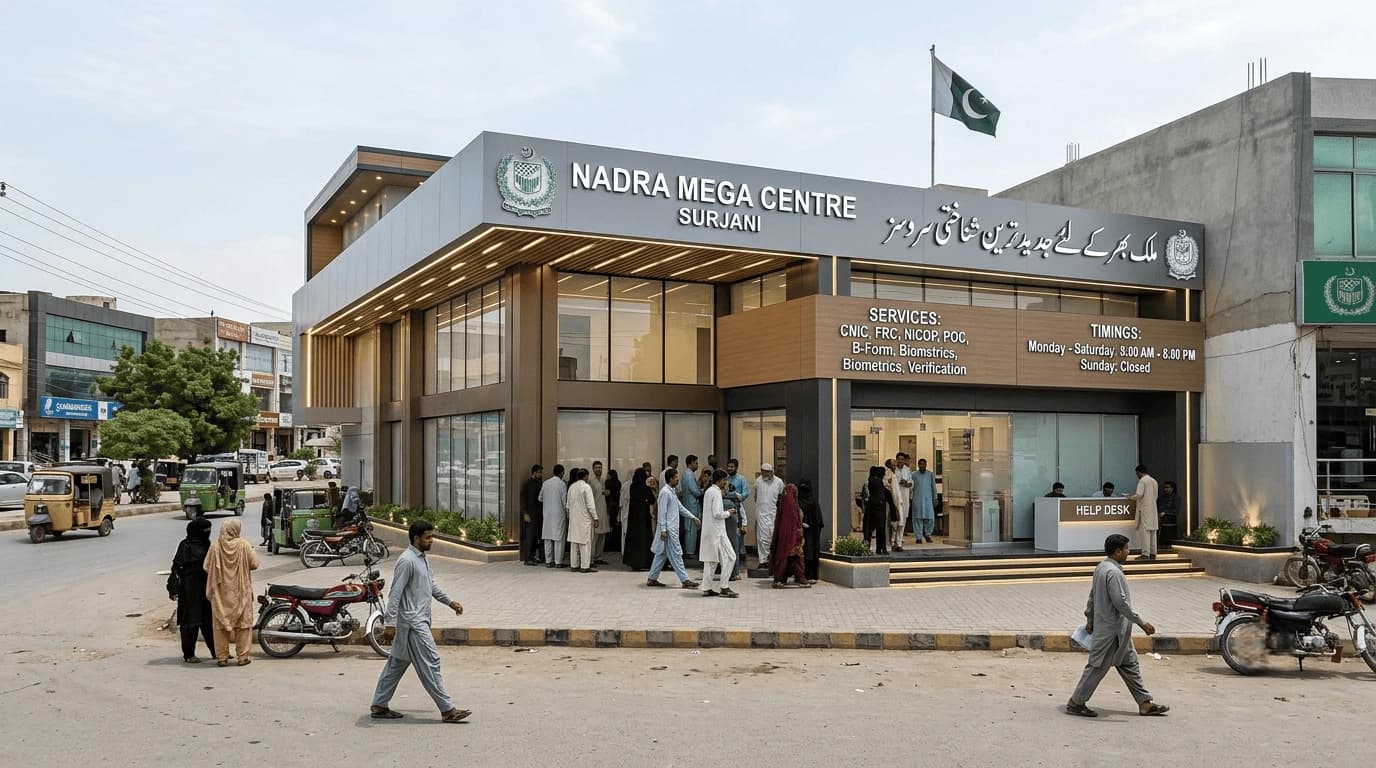
Karachi’s Surjani area has received a new NADRA Mega Centre aimed at improving access to ident
7 July 2026
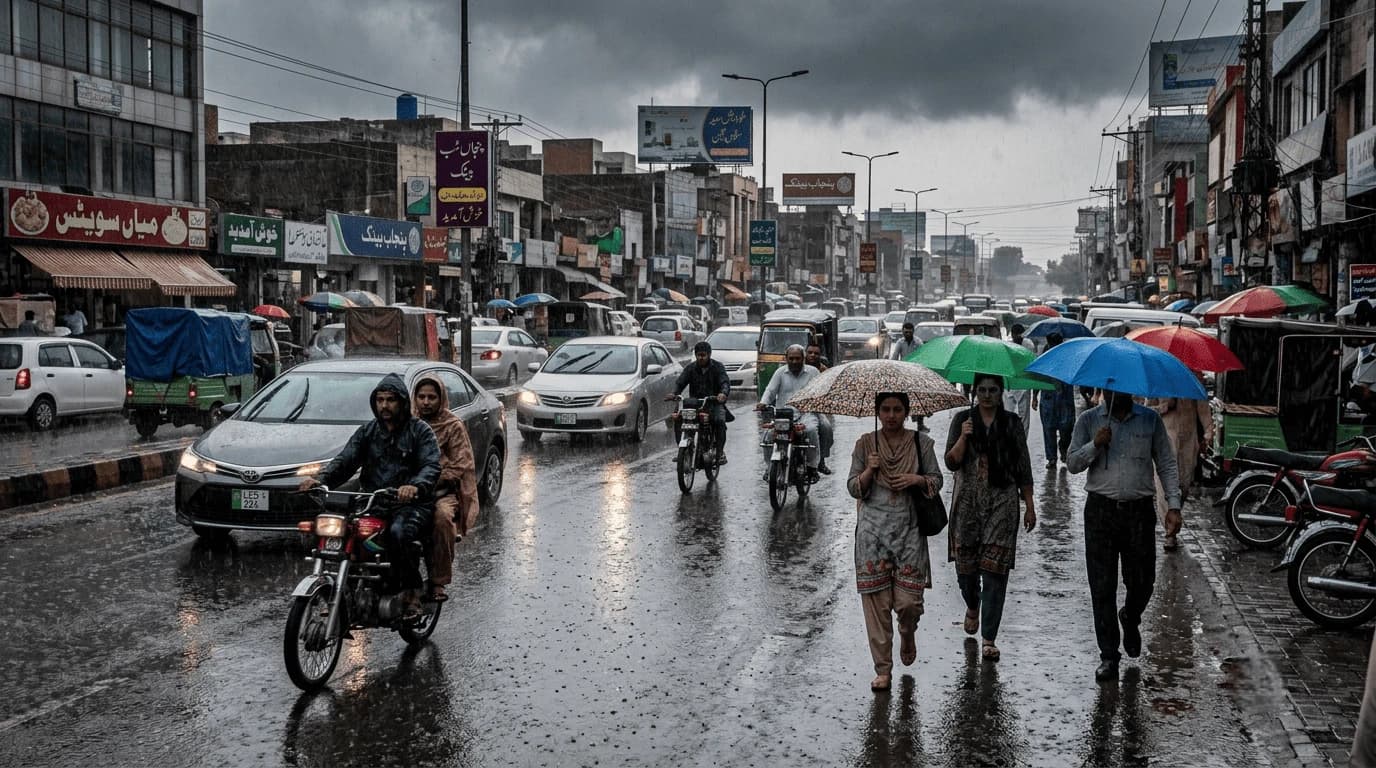
LAHORE: The Provincial Disaster Management Authority Punjab has issued a rain alert as showers, wind
7 July 2026
Be the first to share your thoughts
No comments yet. Be the first to comment!
Share your thoughts and join the discussion below.