* All product/brand names, logos, and trademarks are property of their respective owners.
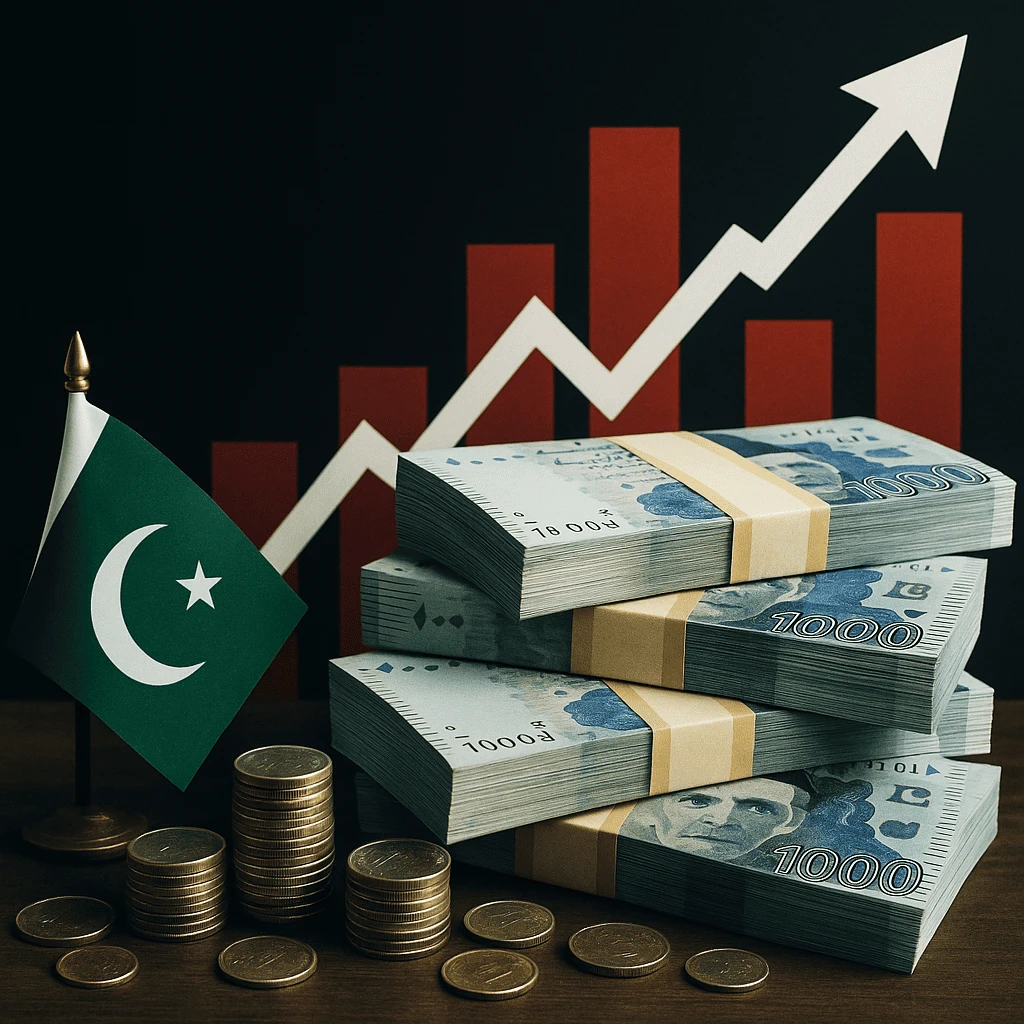
Pakistan’s total public debt soared by Rs. 8.97 trillion during the fiscal year 2024–25 (FY25), reflecting growing financial stress on the economy amid high interest payments, currency depreciation, and persistent budget deficits.
According to data from the State Bank of Pakistan and Ministry of Finance, the country’s total debt stock increased from Rs. 71.24 trillion in June 2024 to around Rs. 78.7 trillion by the end of June 2025. Official reports cite a net addition of Rs. 7.45 trillion, but broader estimates that include federal obligations and exchange losses bring the figure closer to Rs. 8.97 trillion.
The increase is largely driven by interest payments, which crossed Rs. 8.8 trillion during the year accounting for more than half of the federal government’s annual budget. Economists say this level of debt servicing severely limits development spending and public sector investment.
Domestic debt rose sharply from Rs. 46.3 trillion to Rs. 51.5 trillion, while external debt increased to Rs. 27.2 trillion. The depreciation of the Pakistani rupee against the US dollar further inflated external liabilities, despite limited new borrowing from global lenders.
Pakistan’s debt-to-GDP ratio stands at approximately 68.6%, raising concerns over long-term fiscal sustainability. The country is currently under an economic reform program with the International Monetary Fund (IMF), which demands strict fiscal controls, reduction in subsidies, and improved revenue collection.
“The rising debt shows how little room the government has to manage its own budget. More than half of all spending is now going toward interest payments,” said a senior economist based in Islamabad.
With another IMF bailout likely in sight, officials are expected to introduce further measures in the coming months including tax hikes and spending cuts to contain the debt and meet lender conditions.
Pakistan’s mounting debt comes at a time of slow economic growth, high inflation, and political uncertainty, creating further pressure on the government to stabilize its finances.

No bio available yet.
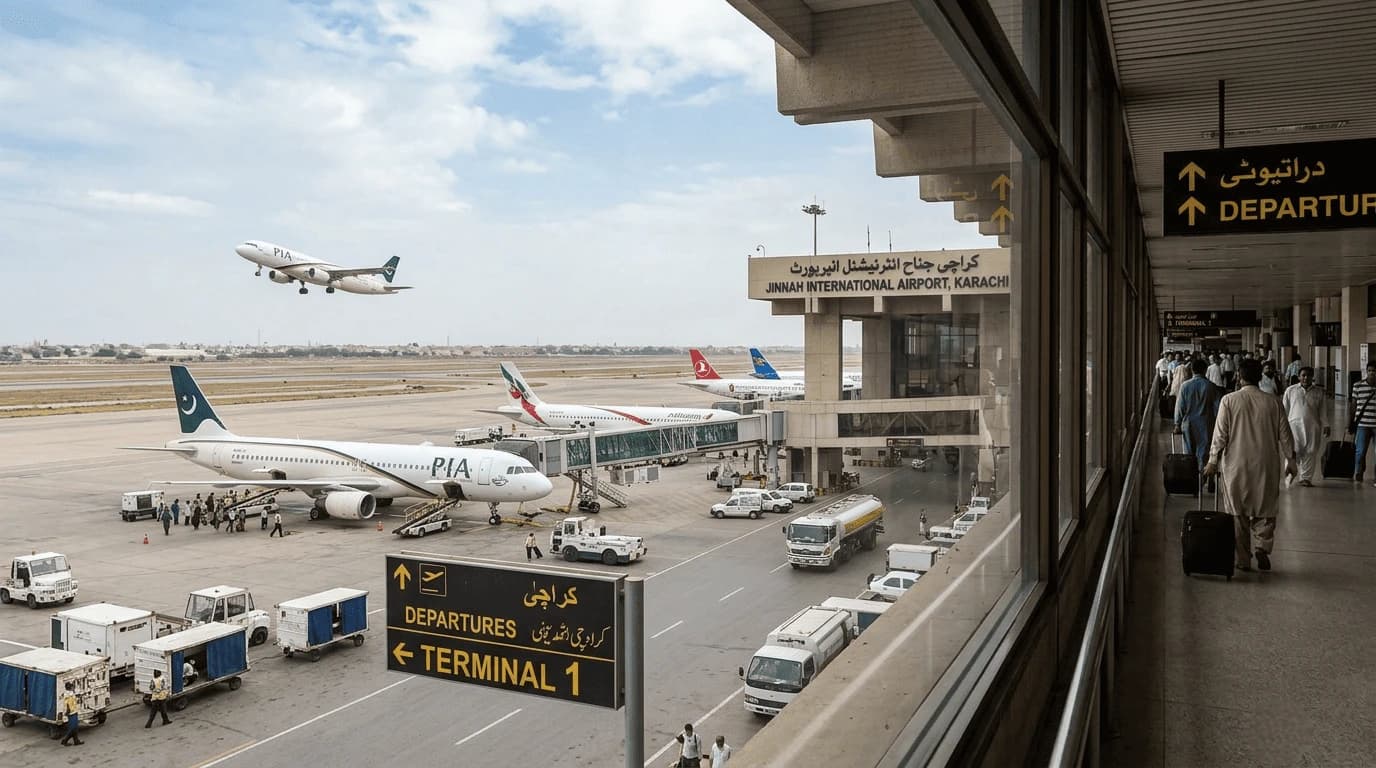
Pakistan has moved three major international airports into its airport outsourcing and privatisation
7 July 2026
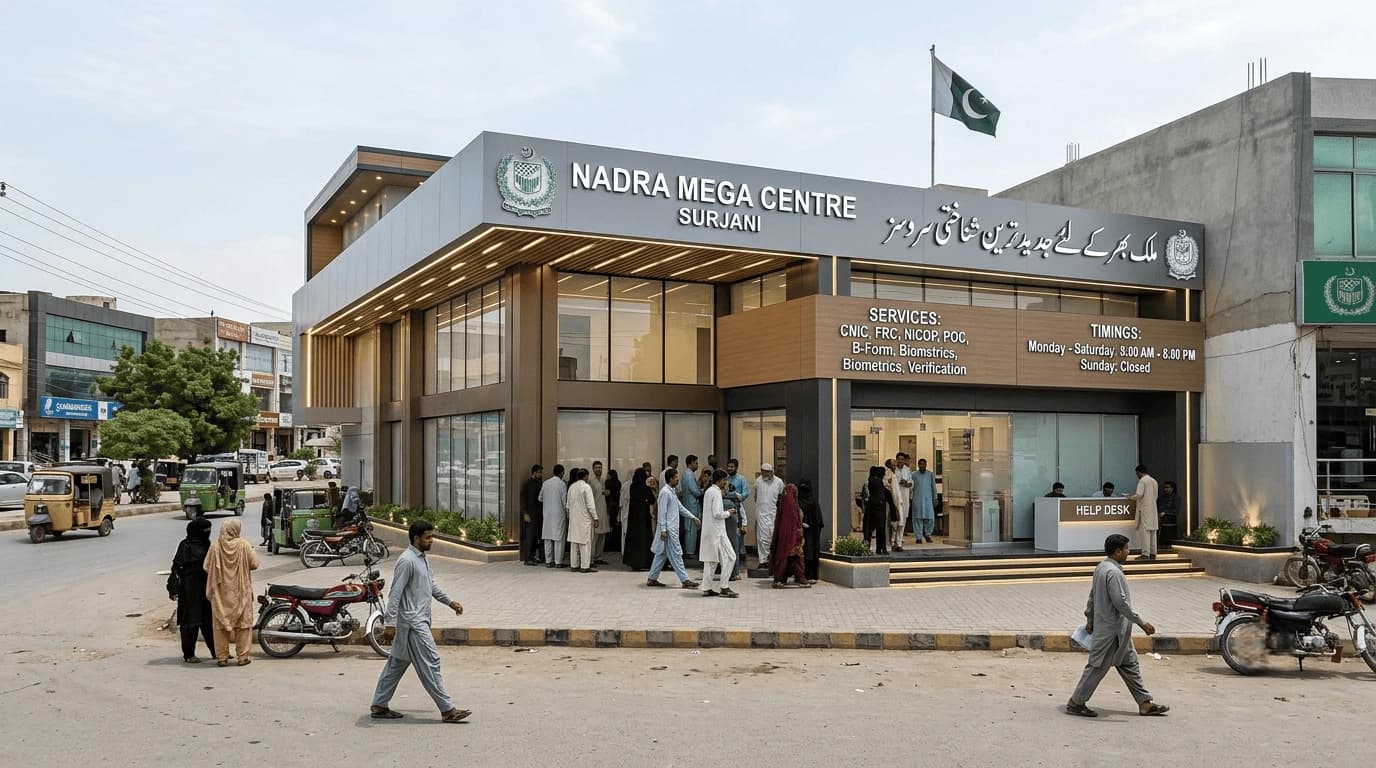
Karachi’s Surjani area has received a new NADRA Mega Centre aimed at improving access to ident
7 July 2026
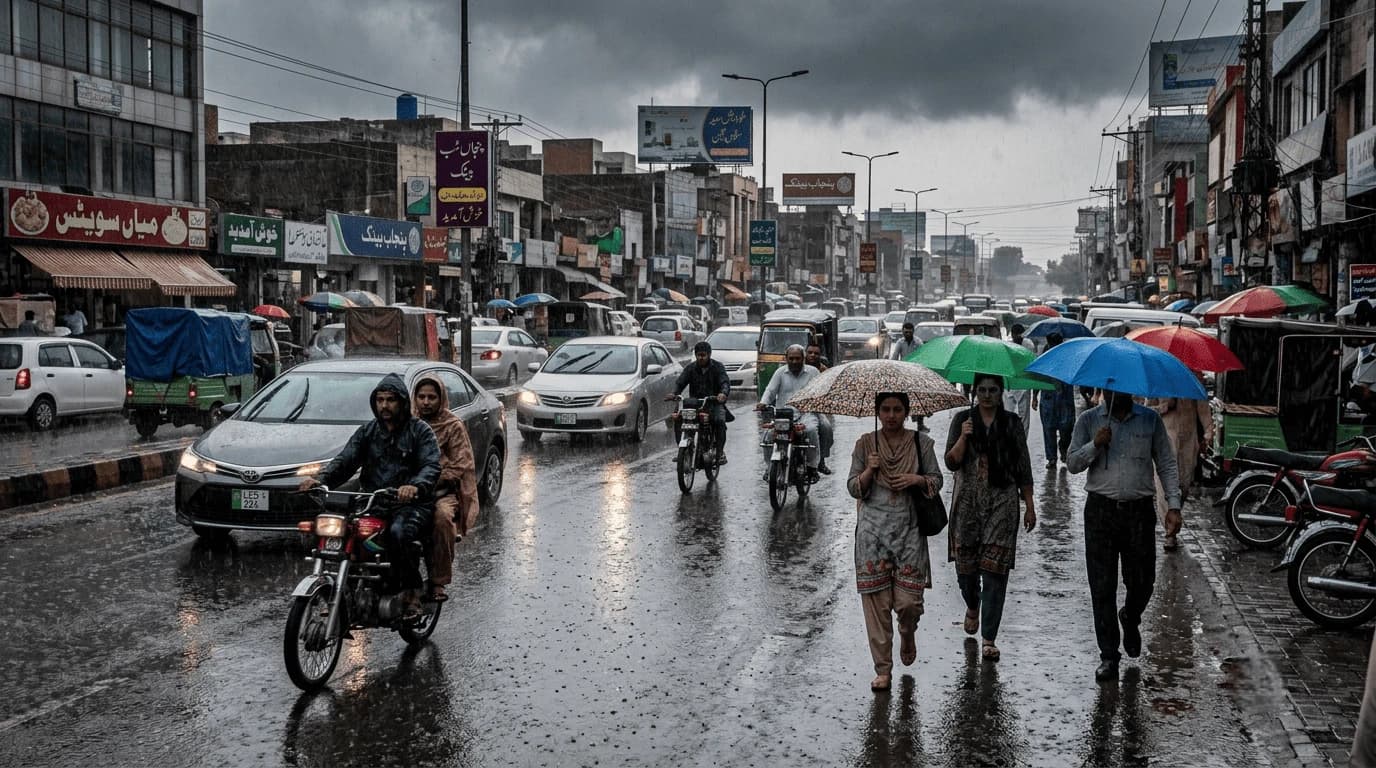
LAHORE: The Provincial Disaster Management Authority Punjab has issued a rain alert as showers, wind
7 July 2026
Be the first to share your thoughts
No comments yet. Be the first to comment!
Share your thoughts and join the discussion below.