* All product/brand names, logos, and trademarks are property of their respective owners.
Despite recent adjustments by the National Electric Power Regulatory Authority (NEPRA), electricity bills for consumers continue to rise fueling public frustration. In a candid statement earlier this week, NEPRA officials remarked that “only a miracle” could meaningfully reduce power tariffs, highlighting the complexity of the situation.
"The main reason behind the problem is how electricity prices are calculated in Pakistan. A regular electricity bill includes several charges, such as:
Fixed Charges: These are non-negotiable costs passed onto consumers, even if no electricity is consumed.
Fuel Cost Adjustment (FCA): Reflects fluctuations in fuel prices, especially furnace oil and imported LNG.
Capacity Charges: Payments made to Independent Power Producers (IPPs), even for unused electricity capacity.
Distribution & Transmission Losses: Inefficiencies in the grid that are recovered through tariffs.
NEPRA’s quarterly and monthly tariff adjustments, based on global fuel prices and rupee-dollar exchange rates, often result in upward revisions. This makes electricity more expensive, particularly for middle and lower-income households.
While NEPRA has regulatory authority, its powers are often constrained by broader government policies and international commitments. For example, tariff structures are influenced by IMF loan conditions, circular debt settlements, and subsidies allocated (or withdrawn) by the Ministry of Energy.
The concept of a "miracle" is tied to the reform capacity of the power sector, which has long struggled with inefficiency and overcapacity. To bring real change, experts suggest the following:
Shift toward renewable energy: Investing in solar, wind, and hydel can reduce reliance on expensive imported fuels.
Grid modernization: Reducing technical losses through infrastructure upgrades.
Ending capacity-based contracts: Re-evaluating agreements with IPPs to avoid paying for unused electricity.
While some of these measures are already being discussed, implementation remains slow due to political and financial roadblocks.
For many Pakistani families, electricity has become a luxury. Monthly bills have surged, with some households receiving double-digit increases despite consistent usage. Lifeline and protected consumers those using under 200 units are seeing less relief due to reduced subsidies and fixed charges.
Across the country, frustration is mounting. Social media platforms are flooded with complaints, and several consumer groups have called for transparent billing mechanisms and targeted subsidies. Some even argue for the introduction of a national power audit to track where inefficiencies are stemming from.
As policymakers debate next steps, the average citizen continues to bear the brunt of a deeply flawed system. Without urgent structural reforms, NEPRA’s “miracle” may remain just that a distant hope.

No bio available yet.
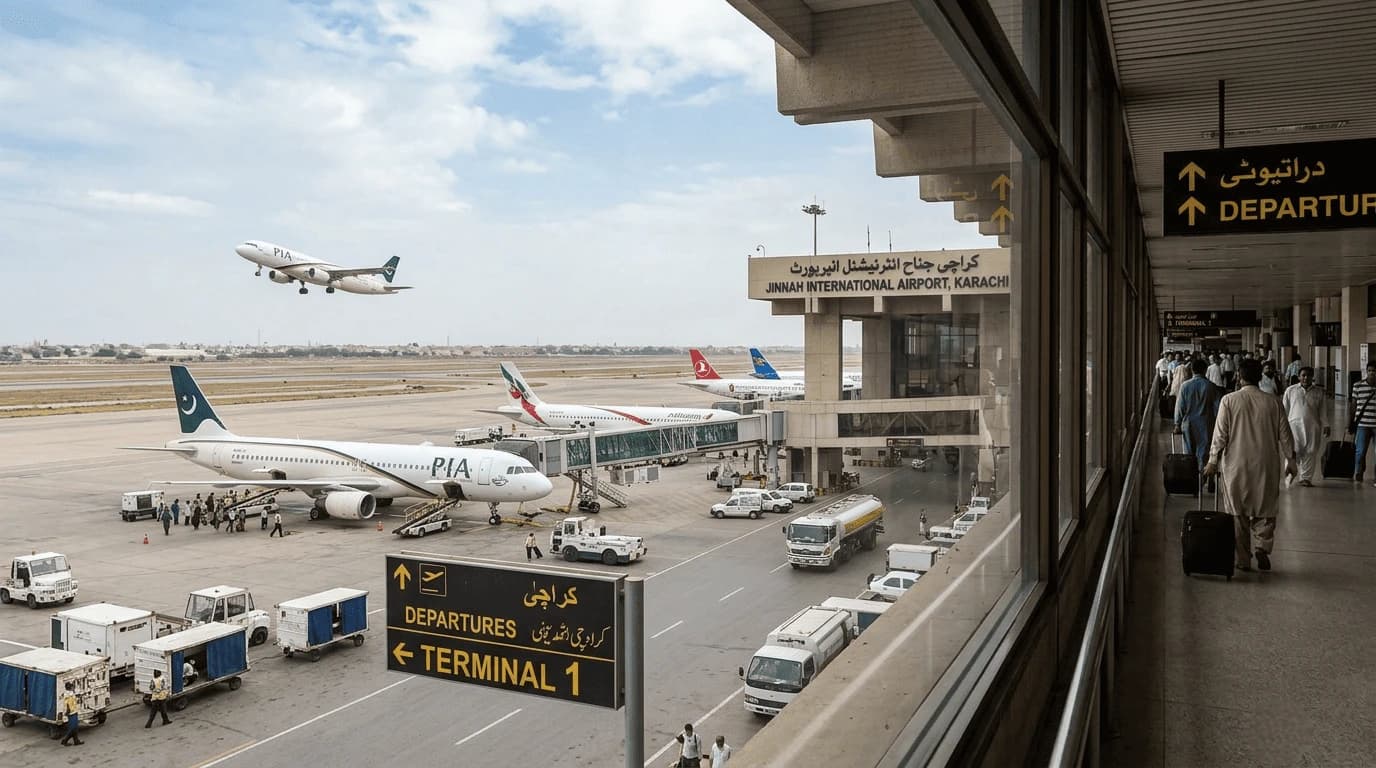
Pakistan has moved three major international airports into its airport outsourcing and privatisation
7 July 2026
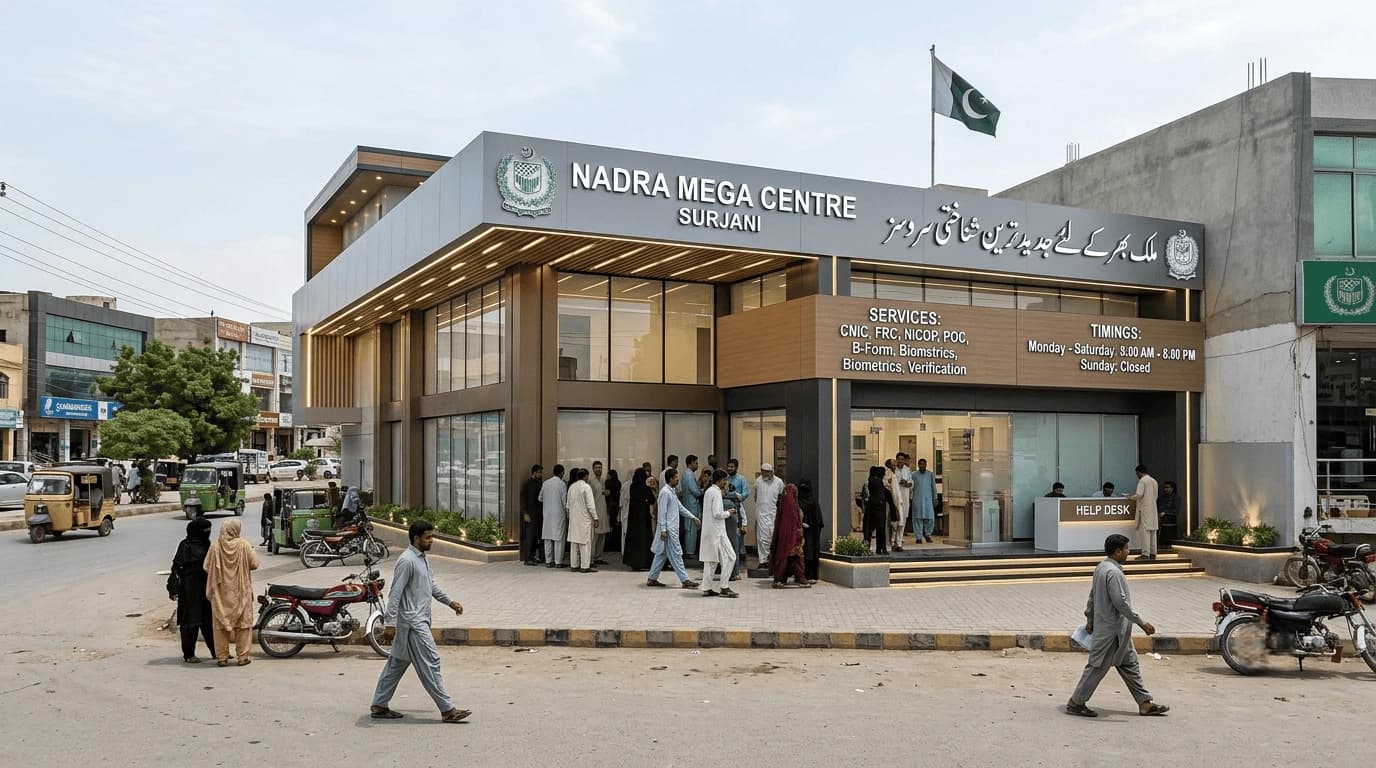
Karachi’s Surjani area has received a new NADRA Mega Centre aimed at improving access to ident
7 July 2026
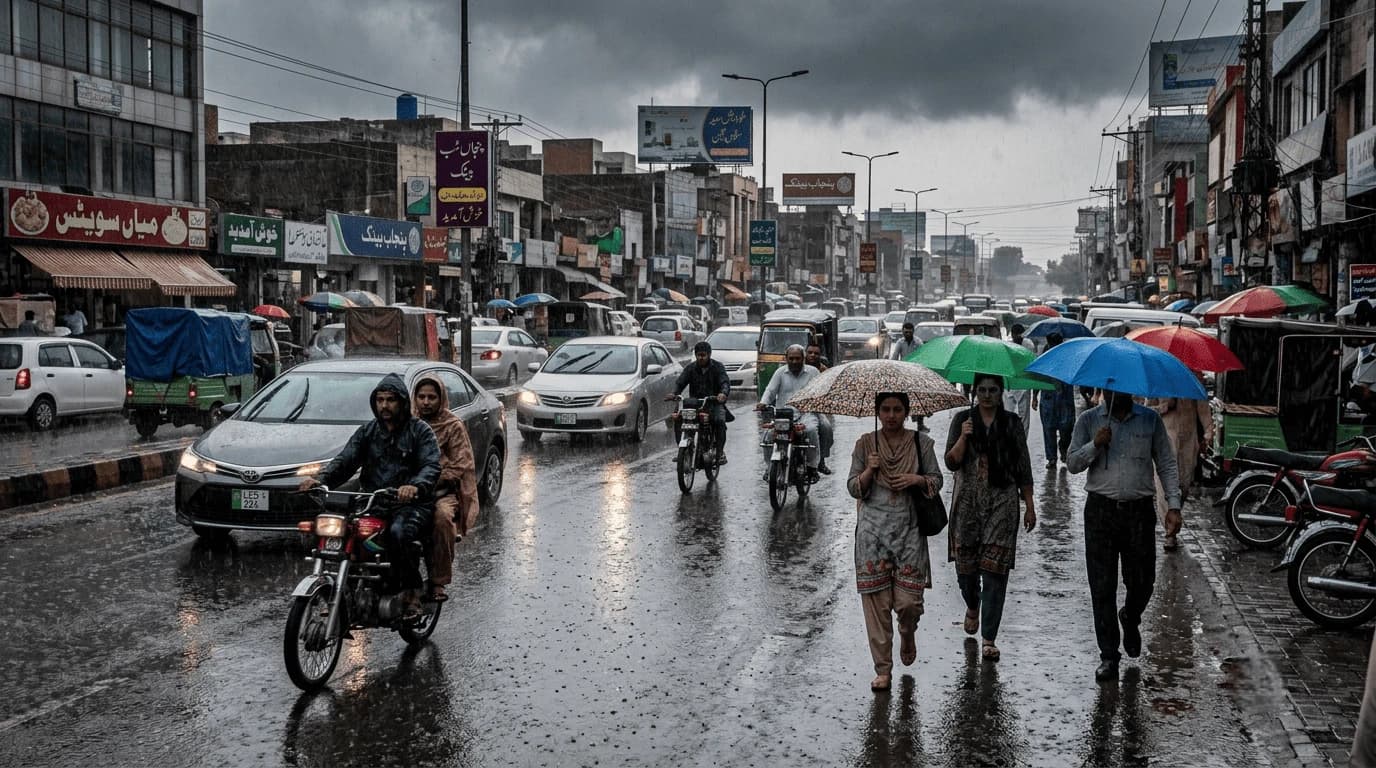
LAHORE: The Provincial Disaster Management Authority Punjab has issued a rain alert as showers, wind
7 July 2026
Be the first to share your thoughts
No comments yet. Be the first to comment!
Share your thoughts and join the discussion below.