* All product/brand names, logos, and trademarks are property of their respective owners.
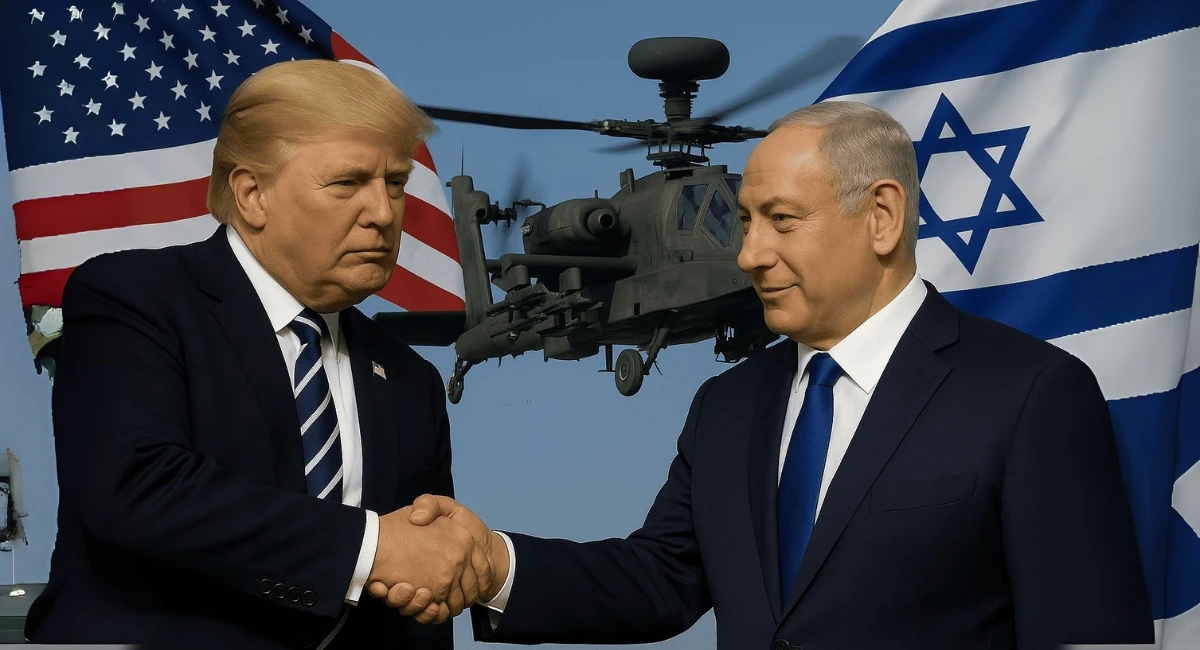
The United States is planning to send $6.4 billion worth of weapons to Israel, as part of a major arms deal announced this week. The deal includes powerful Apache attack helicopters, infantry assault vehicles, and other military equipment. It’s now awaiting approval from Congress.
This announcement comes at a sensitive time. Israel is continuing its military operations in Gaza, and the deal has sparked concern both inside and outside the U.S. Many are questioning the timing and the potential impact on the already tense situation in the region.
Most of the money about $3.8 billion is for AH-64 Apache helicopters. These are highly advanced and often used in combat zones for targeted strikes. Another $1.9 billion will go towards ground vehicles to transport troops during operations. The rest of the deal includes spare parts, maintenance kits, and training support.
The Trump administration has officially asked Congress to sign off on the deal. While such military sales to Israel are usually routine, this one is drawing extra attention. Some U.S. lawmakers, especially Democrats, are speaking out. They’re worried it could make the situation in Gaza worse and go against American values on human rights.
Still, supporters of the deal say it’s important for Israel’s defense and fits into the long-term U.S.-Israel military partnership. The two countries already have a $38 billion security agreement that runs for 10 years, signed back in 2016.
Outside the U.S., many human rights groups and countries like Pakistan and Turkey have criticized the deal. They say sending more weapons to Israel right now could increase civilian suffering and possibly violate international laws. The United Nations has also raised questions, especially since this announcement comes just days before the General Assembly meets.
As the world watches closely, the deal has become more than just a military sale it’s now part of a larger conversation about U.S. foreign policy, human rights, and the future of the Middle East.

No bio available yet.
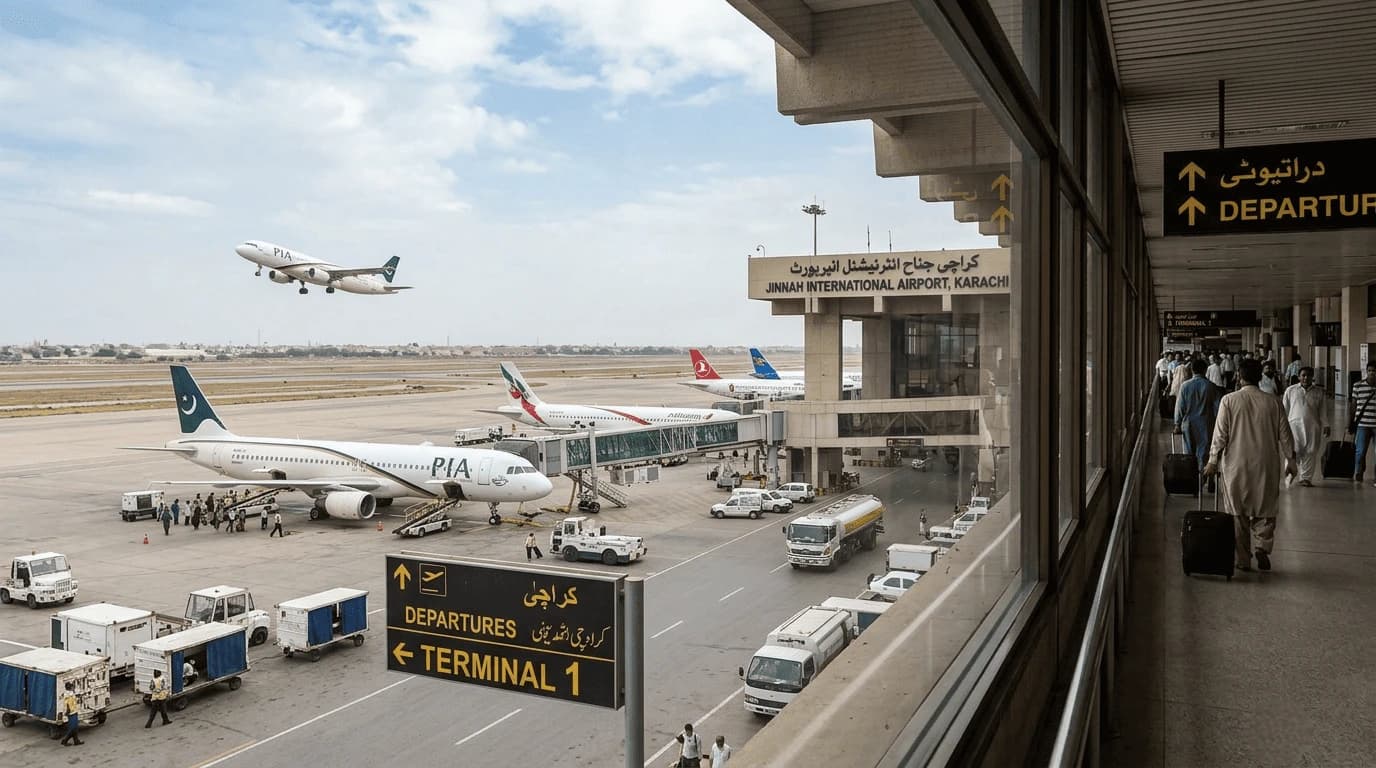
Pakistan has moved three major international airports into its airport outsourcing and privatisation
7 July 2026
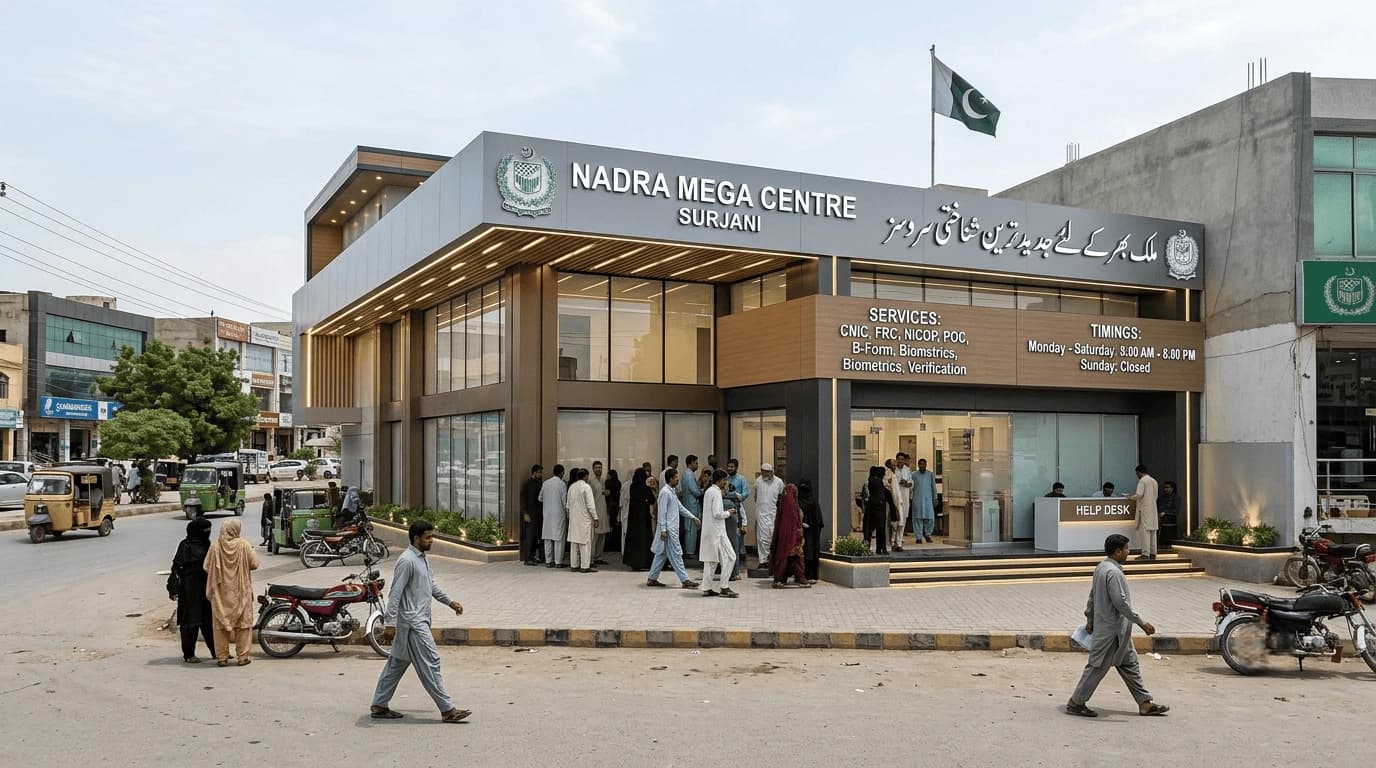
Karachi’s Surjani area has received a new NADRA Mega Centre aimed at improving access to ident
7 July 2026
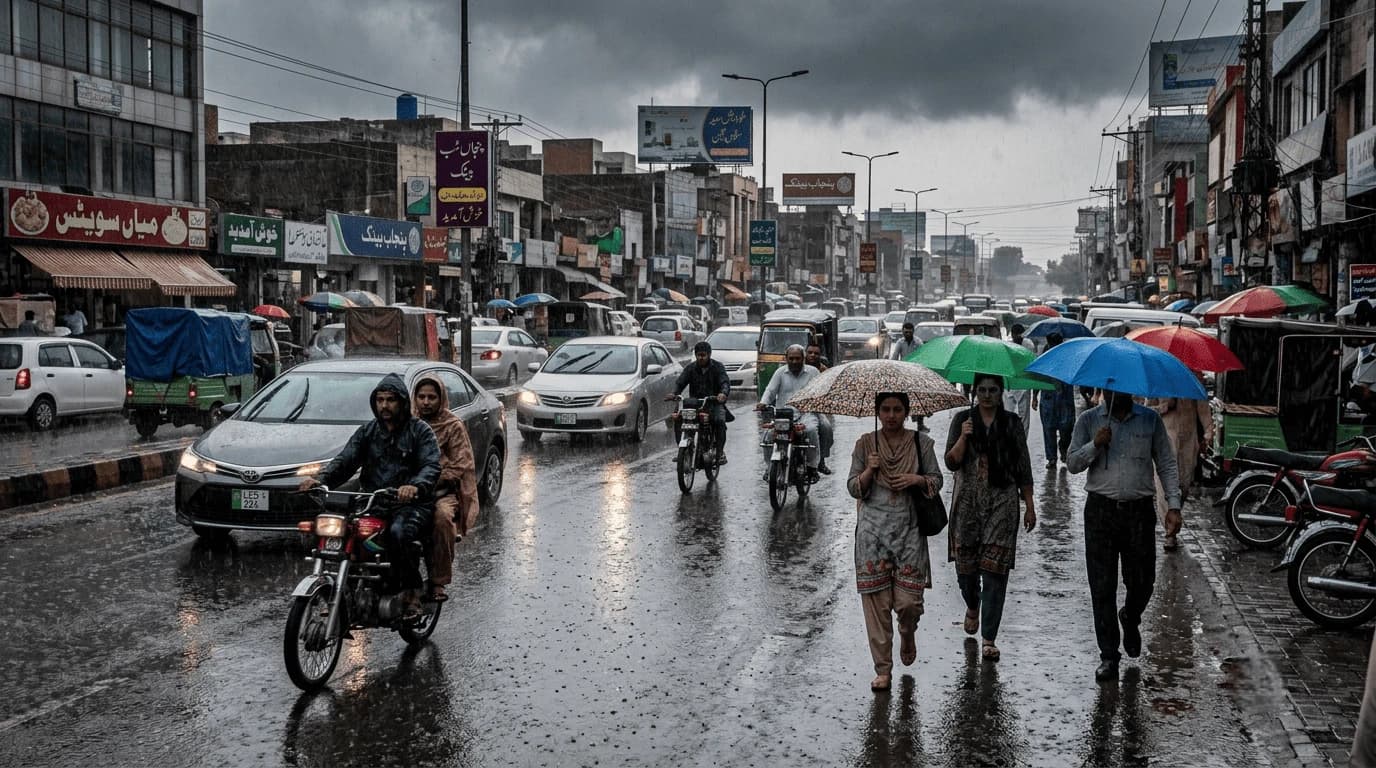
LAHORE: The Provincial Disaster Management Authority Punjab has issued a rain alert as showers, wind
7 July 2026
Be the first to share your thoughts
No comments yet. Be the first to comment!
Share your thoughts and join the discussion below.